The presentation of the programmes is always an important moment at the annual meeting of the European Capitals of Culture in early September.
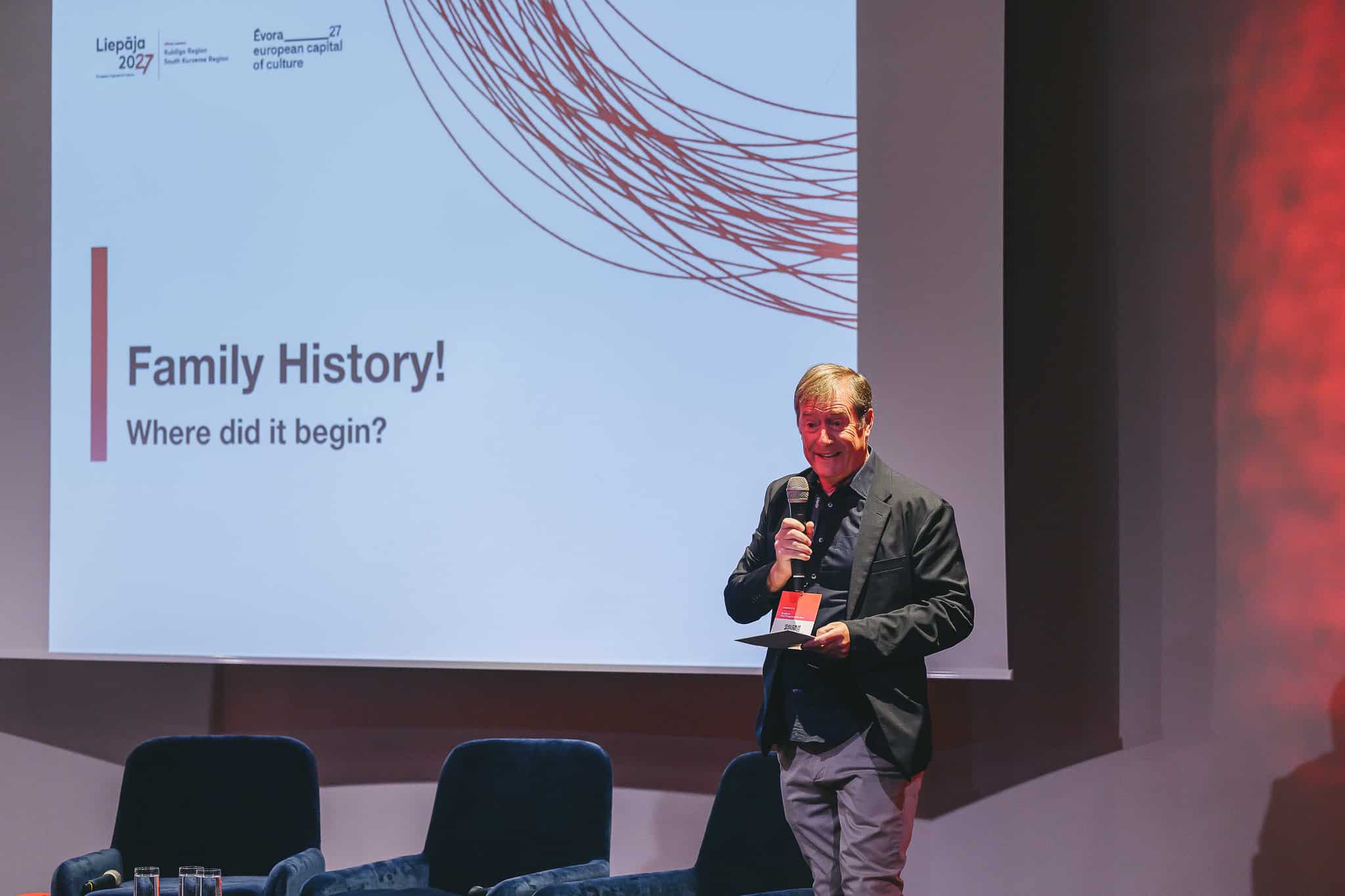
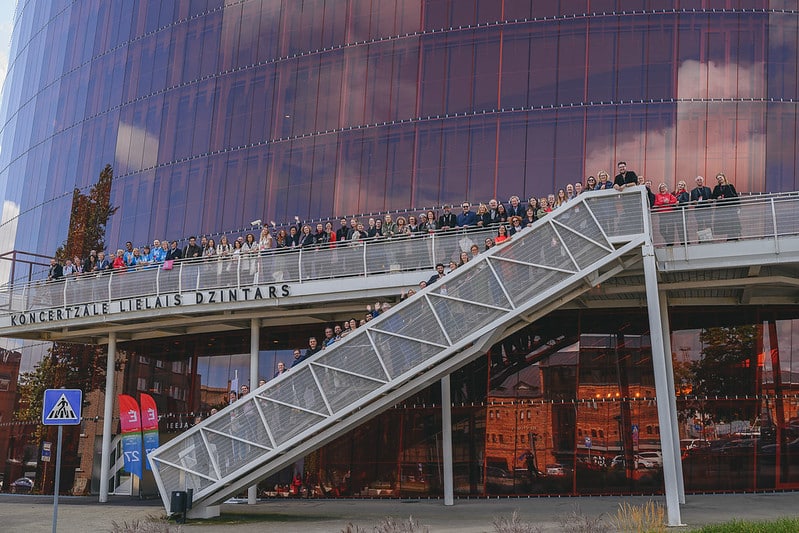
This year, the presentations took place in Liepāja, Latvia, near the Lithuanian border, on the Baltic Sea. It was also here that the programme for Évora 2027, in Portugal, was presented.
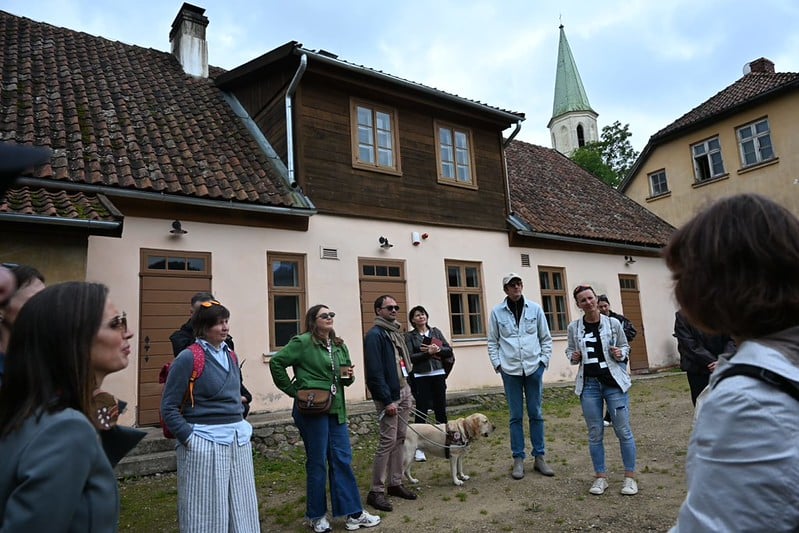
Liepāja is, first and foremost, a city of contrasts. A seaside resort with some of the largest stretches of fine sandy beaches in Europe along the Baltic Sea, unfortunately heavily polluted. It is also a city of typical Hanseatic architecture, similar to that found in Riga, with magnificent houses featuring high ceilings, built from stone or wood, lining wide boulevards and avenues. And then, just a few kilometres outside the city, stands one of the major military bases established by Tsar Nicholas II and abandoned by Russia in 1994, three years after Latvian independence, leaving a population that was 40% Russian. A situation reminiscent of the Donbas, just a few hours away from the Russian border by tank. A context and a set of challenges in which Europe and culture take on their full meaning.
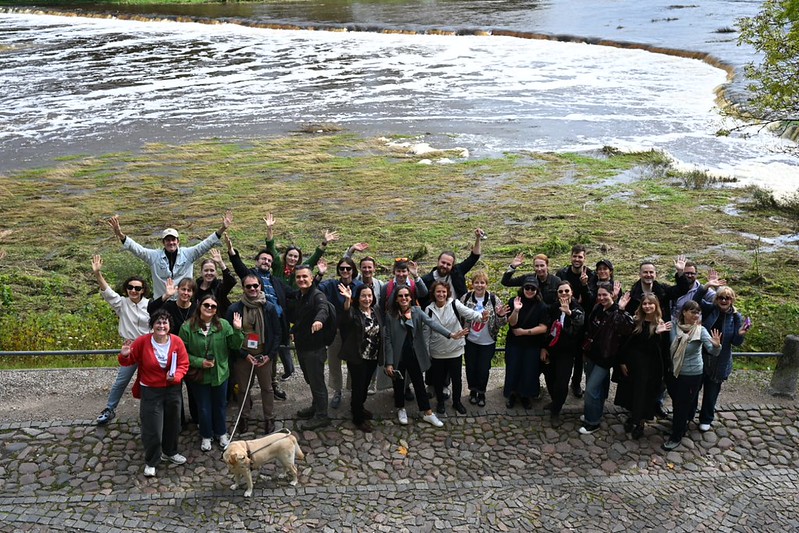
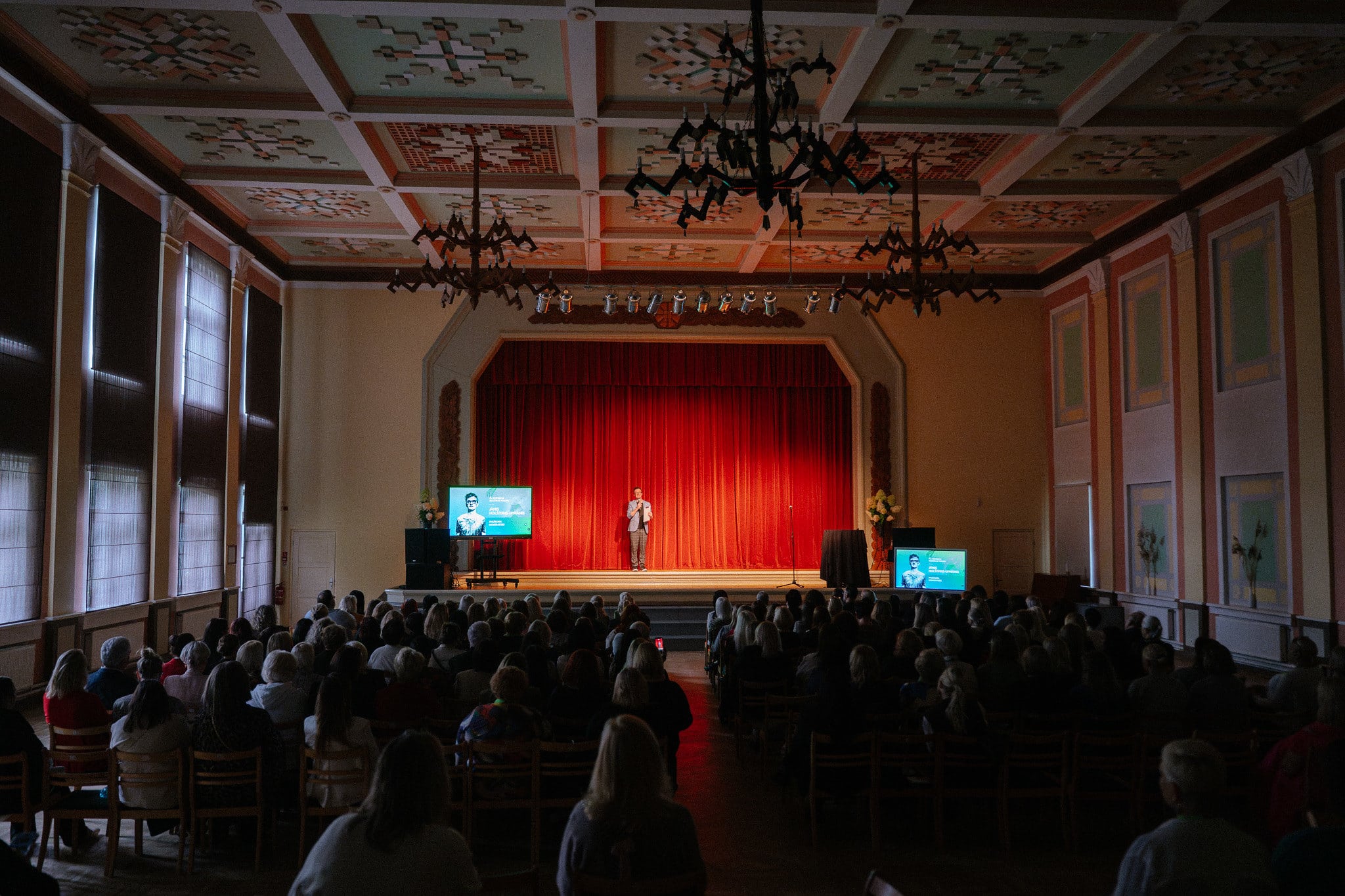
Two presentations were given to around a hundred professionals from European Capitals of Culture, representing both the past twenty years and the years to come. Each took a very different form.
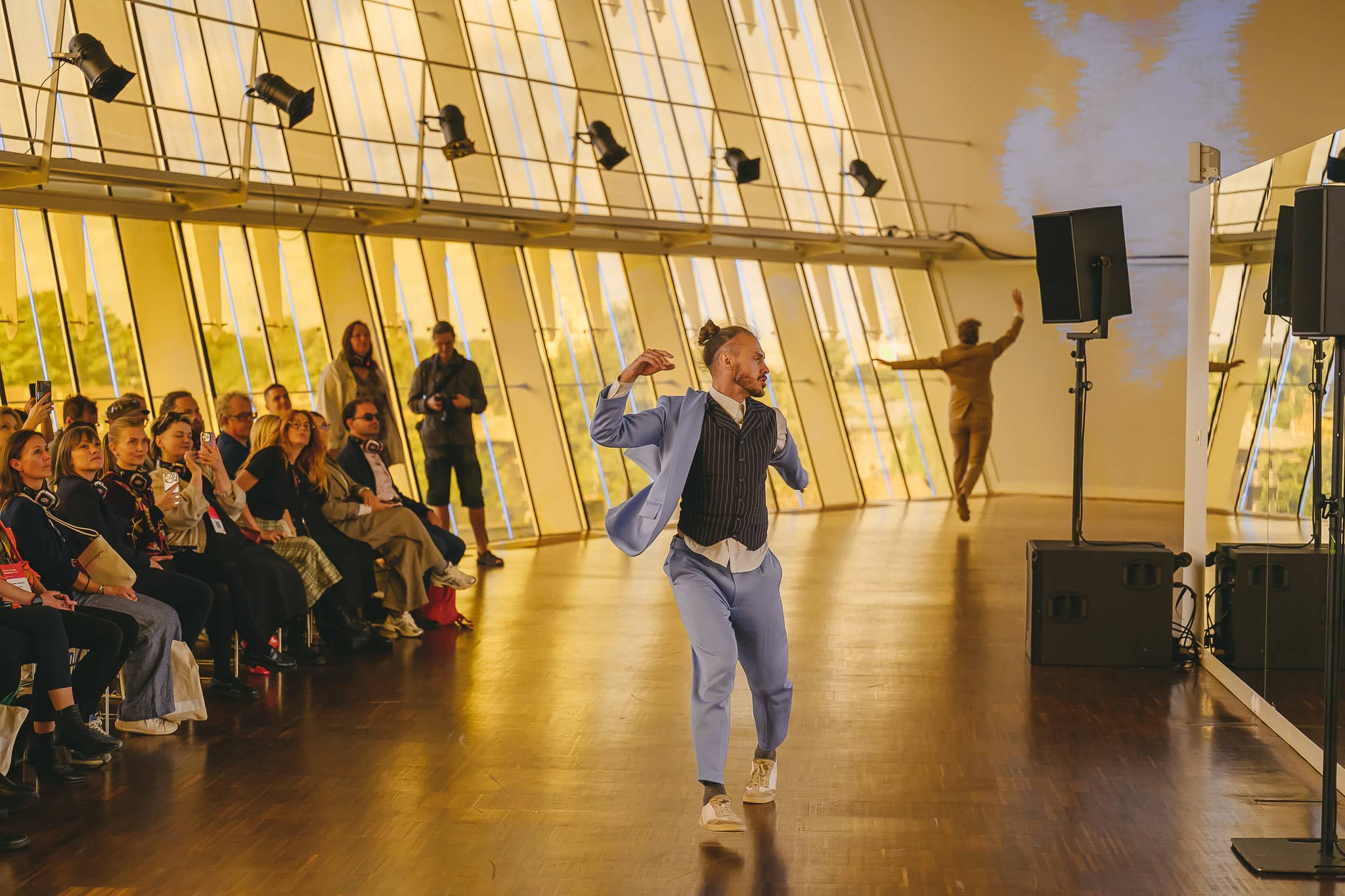
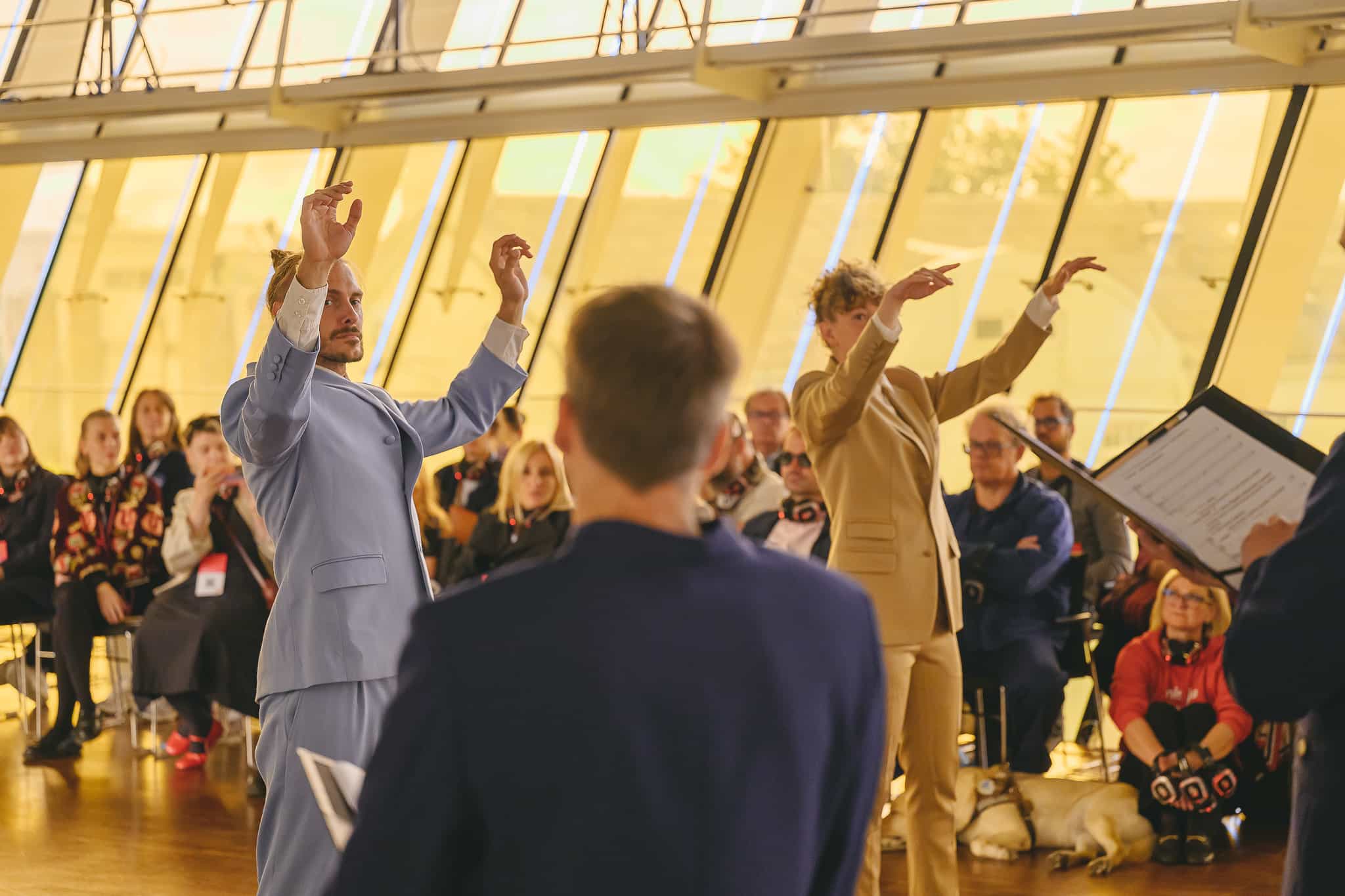
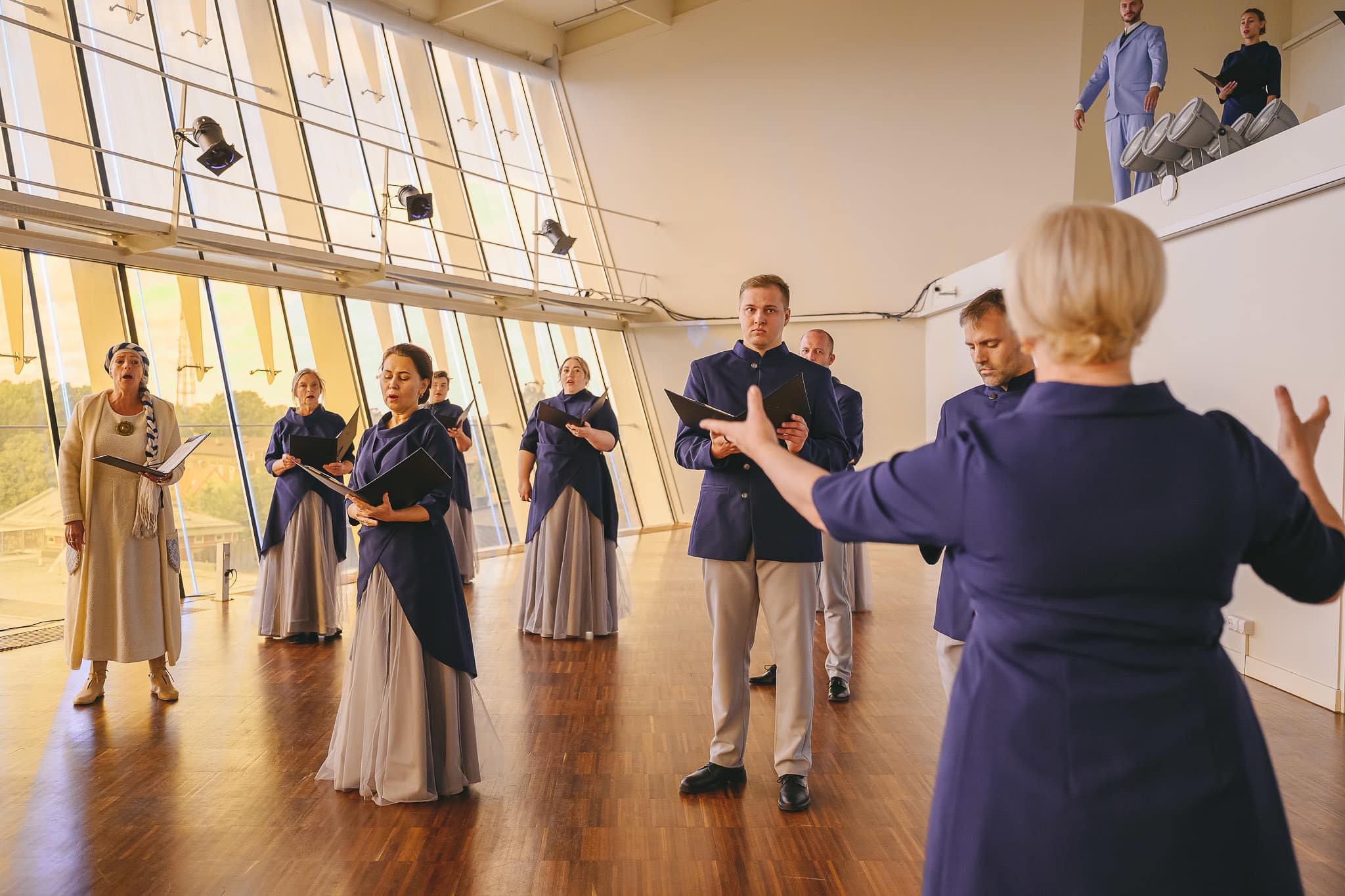
For Liepāja 2027, the concept is (un)rest, reflecting our need to awaken to the challenges facing the world. Five themes, proposed by artistic director Baiba Bartkeviča – herself an opera singer – shape a programme strongly influenced and enriched by the city’s theatrical and musical resources: a branch of the Riga National Theatre, as well as its symphonic and operatic traditions, notably represented by the Amber Hall, one of the most renowned symphonic concert halls in Northern Europe and the Baltic region. The programme was presented in an original way by a dance company, bringing each of these themes to life through performance.
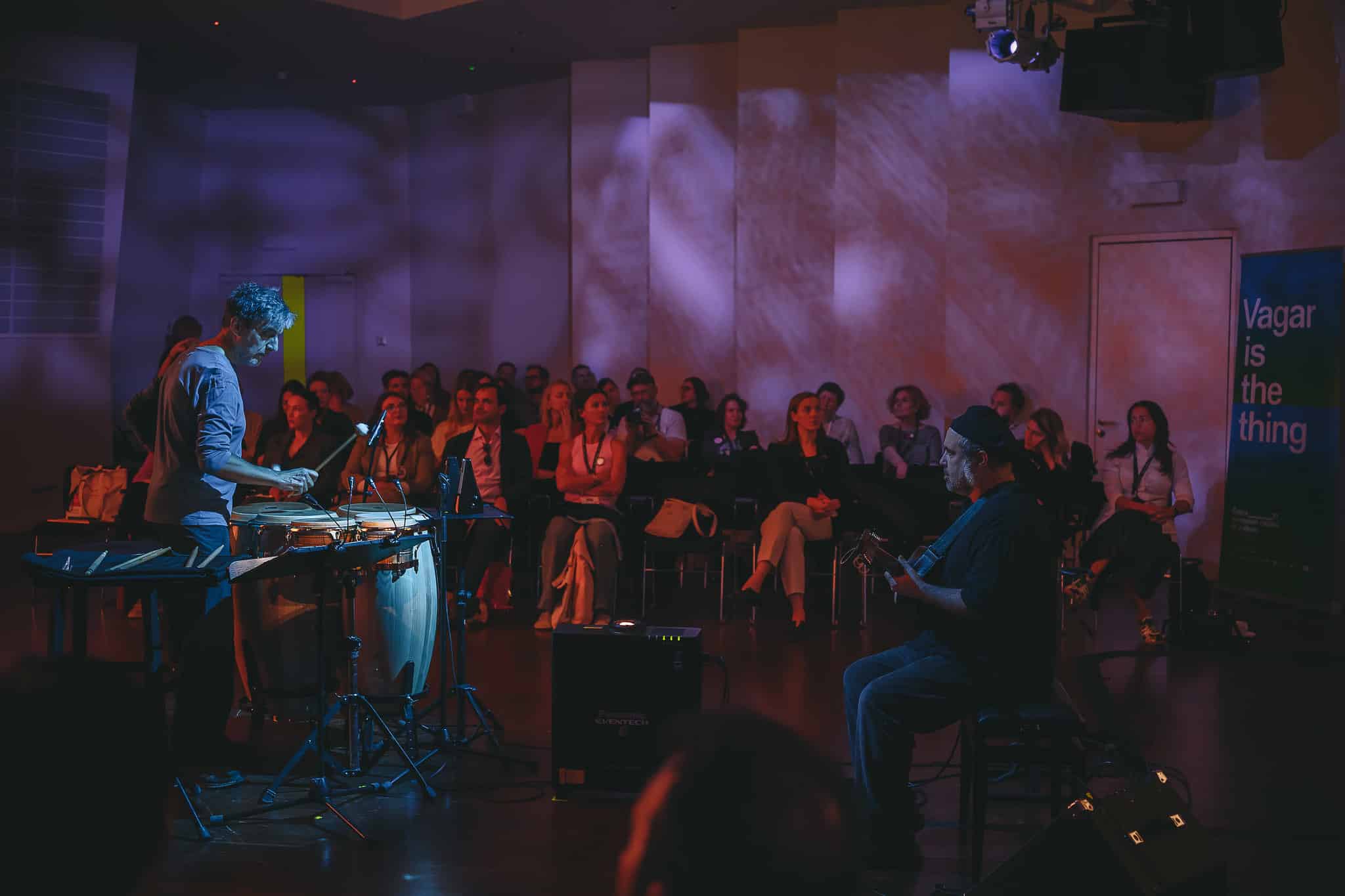
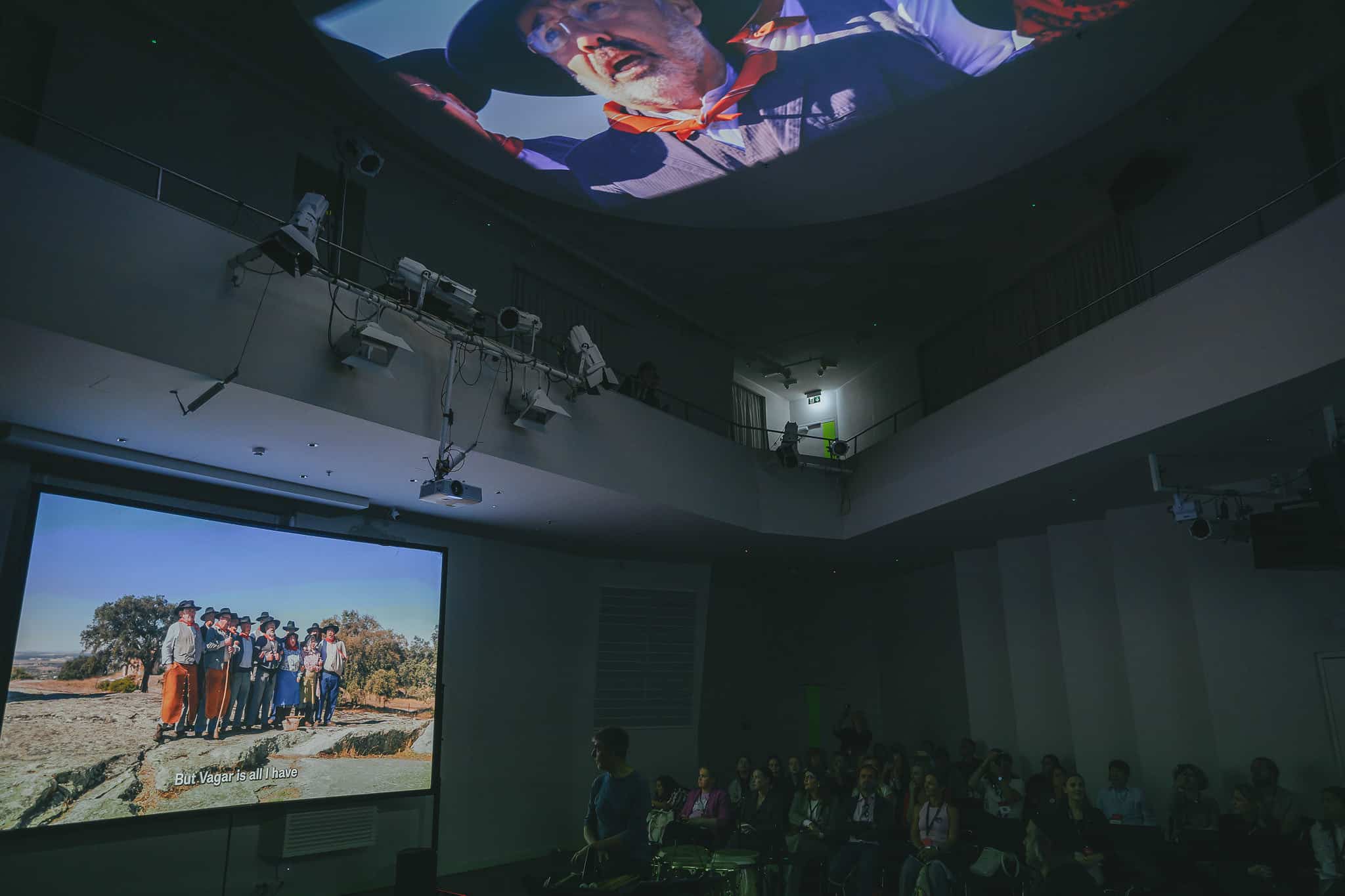
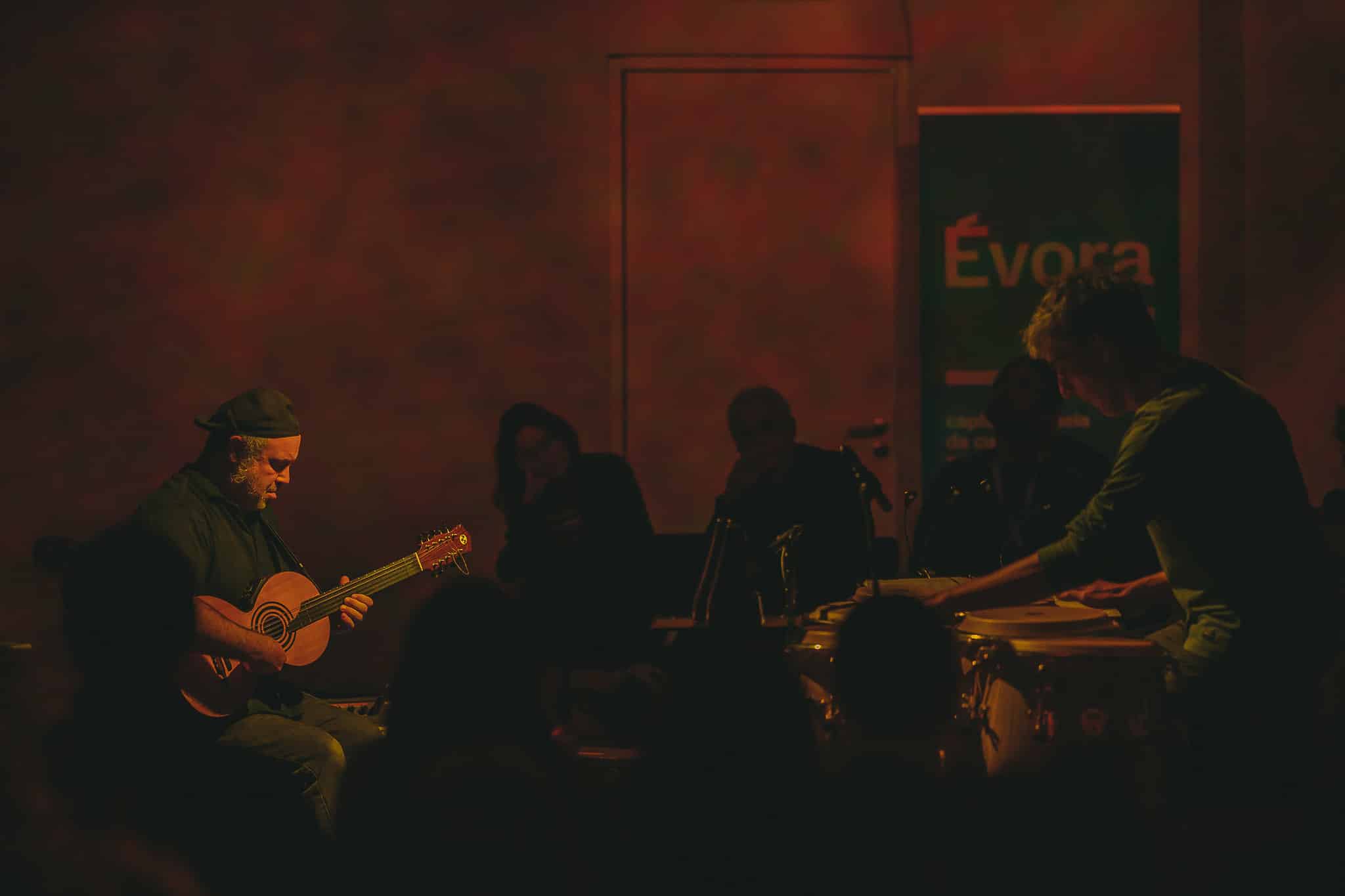
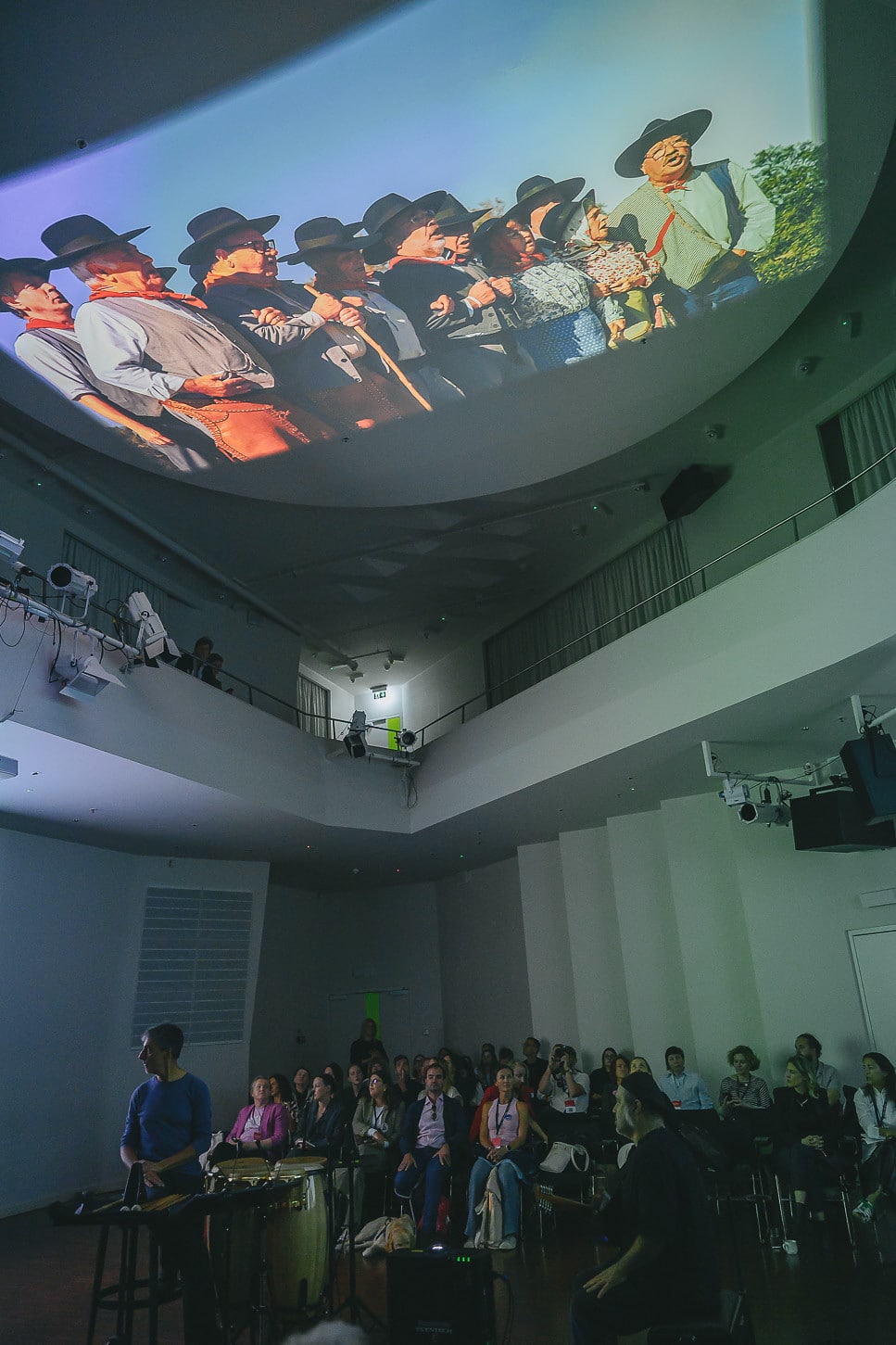
For Évora 2027, the presentation featured two live musicians (guitar and drums) and two video screens. With video projected onto the ceiling and two projections facing opposite directions, the presentation began by showcasing the magnificent landscapes of the Alentejo, the region surrounding Évora, before introducing the programme’s central concept: Vagar. Vagar means wandering, taking one’s time, disconnecting from the world, and rediscovering nature and the surrounding landscapes.
Developed within a very short timeframe – artistic director John Romão was appointed just eighteen months ago – the programme features several major international names (Romeo Castellucci, Björk, Marina Abramović, Rimini Protokoll), already well established, who have been announced as taking part in “participatory” projects. It also includes numerous projects selected through calls for proposals organised within a very limited timeframe, often set in the landscapes and natural surroundings of the Alentejo and led by local organisations and cultural stakeholders.
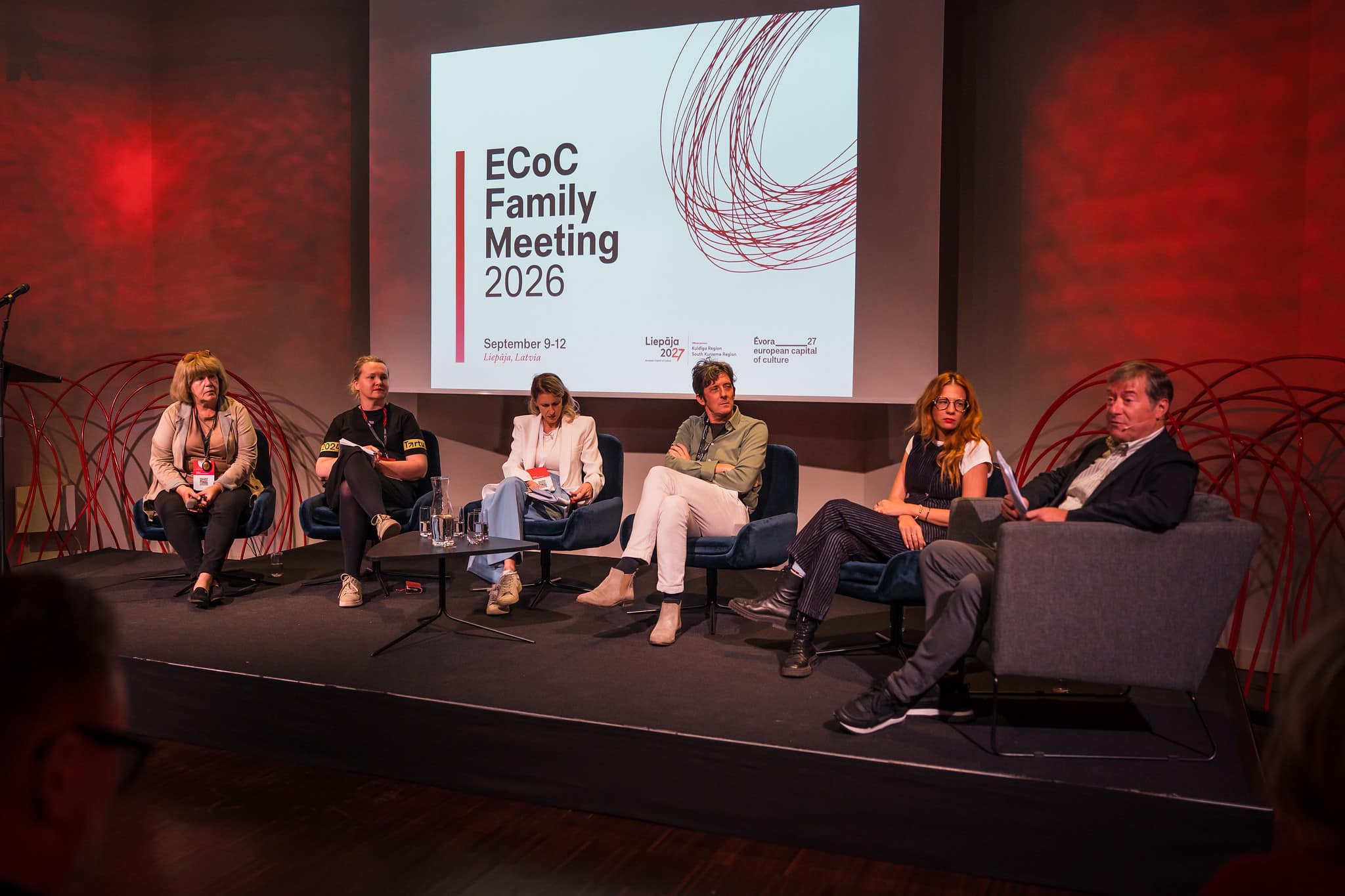
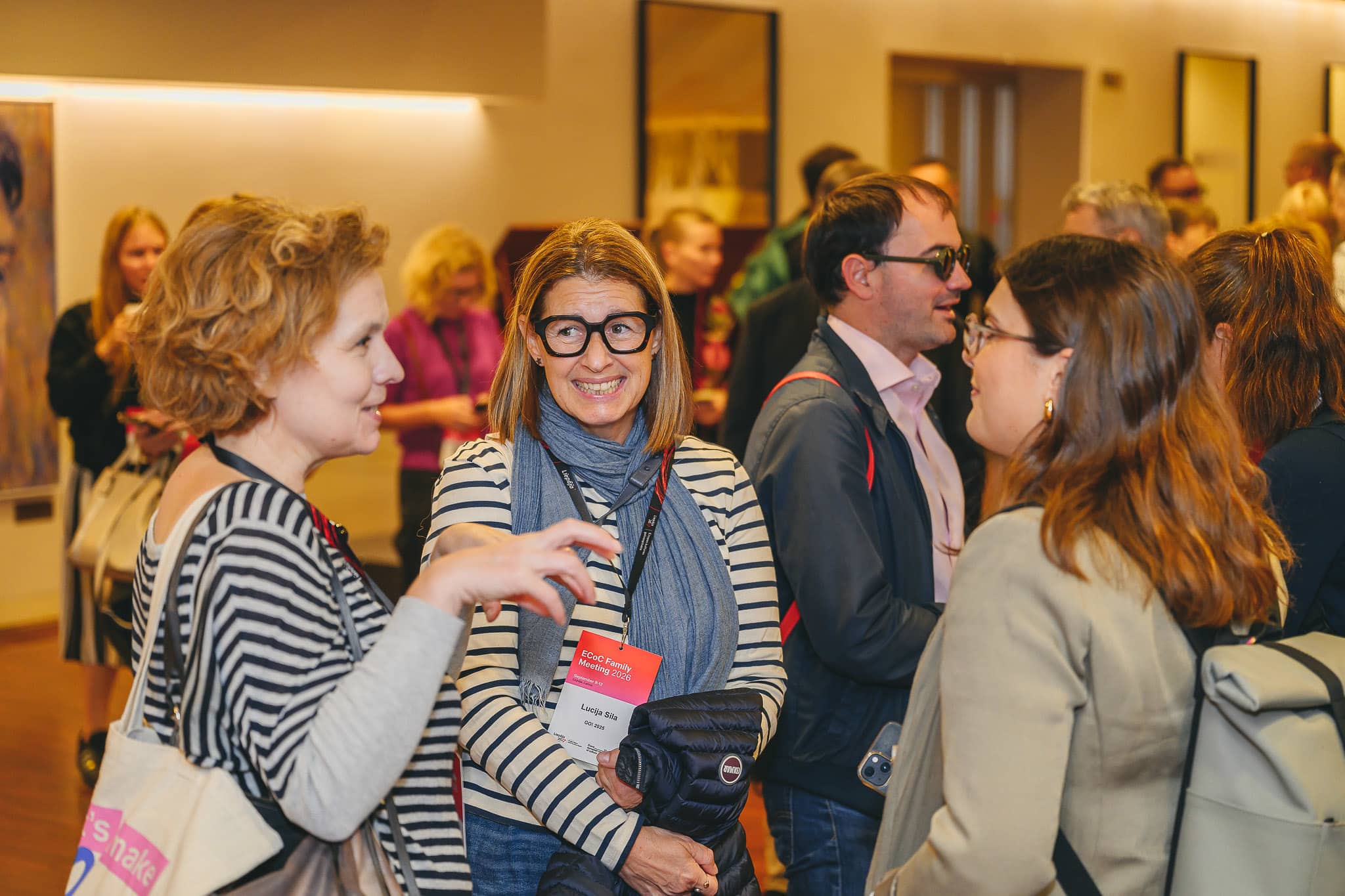
But in Liepāja, beyond the 2027 programmes, another question came to the forefront for me: what remains of a European Capital of Culture once its title year is over? This was precisely the subject of the panel discussion in which I took part, “The Next 20 Years – Building a Lasting ECoC Legacy”. Alongside representatives from Tartu 2024, Culture Next, Nikšić 2030 and Riga 2014, we discussed what comes afterwards: what Capitals of Culture can leave behind, the transformations that endure over time, and how a title year can become the starting point of a new momentum rather than its culmination.
I will be continuing this discussion next week in Bourges, during the Matrixe Seminar on 24 and 25 September. After spending so much time talking about 2028, perhaps it is also time to look a little further ahead. What do we want to make of this experience once 2028 is over? And, beyond Bourges, what might the European Capital of Culture title become in the years ahead?
These questions, which may once have seemed distant, take on a different significance when you find yourself in Liepāja, just a few months away from its title year, and then alongside cities that have already been through the experience. That, I believe, is also the value of these gatherings: watching a city prepare for its year as European Capital of Culture, while already beginning to reflect on what comes next.


 S'inscrire à la newsletter
 Download Bidbook