“Volunteering is just about helping out, setting up chairs!” This is exactly the kind of misconception that makes my blood boil.
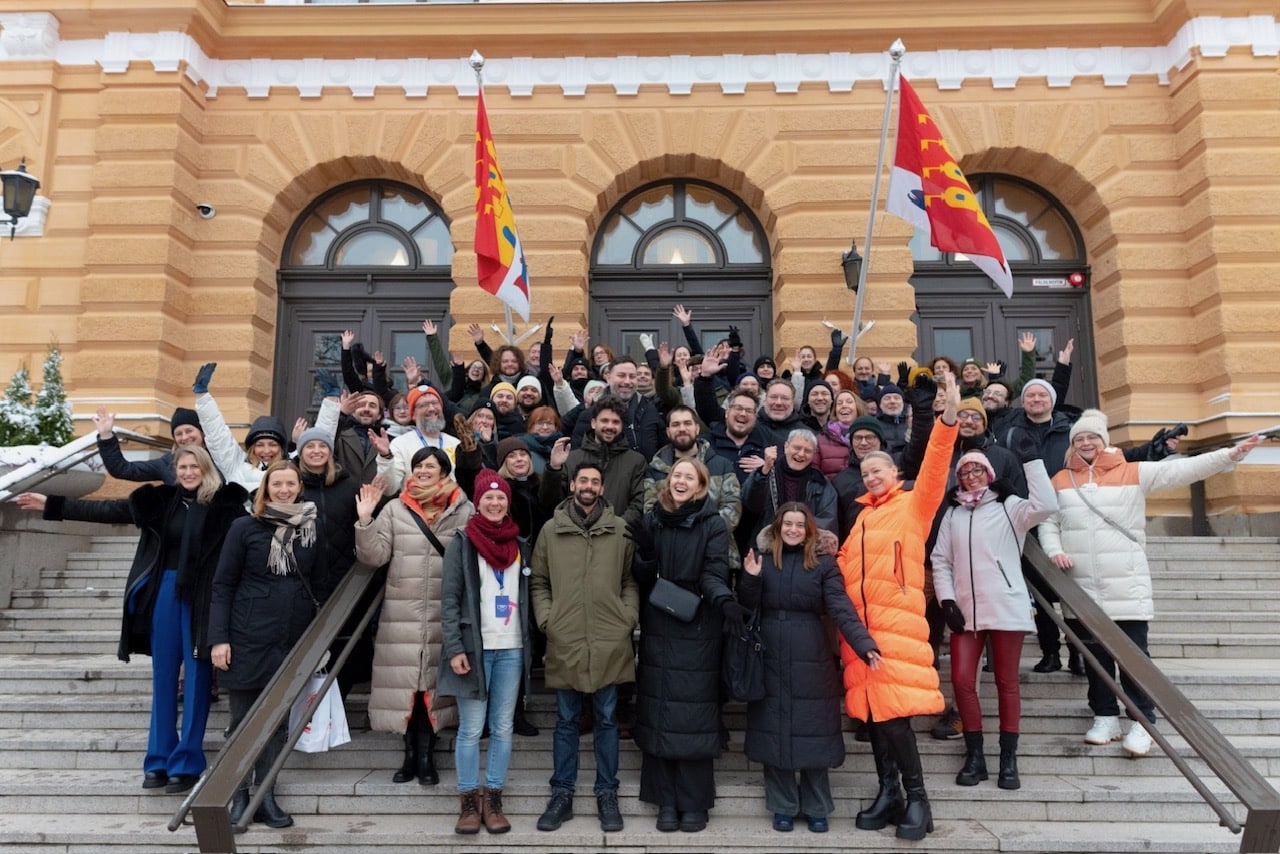
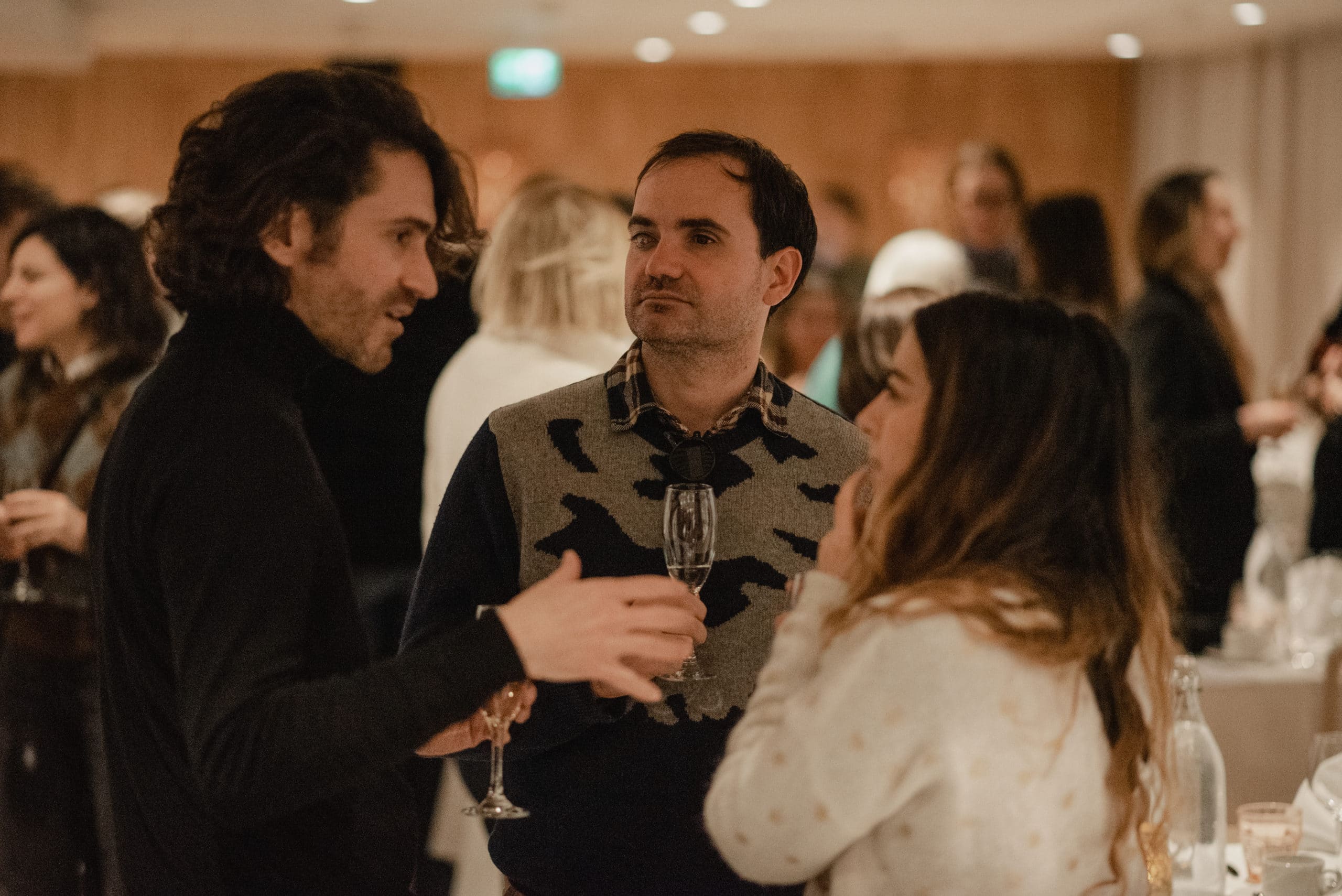
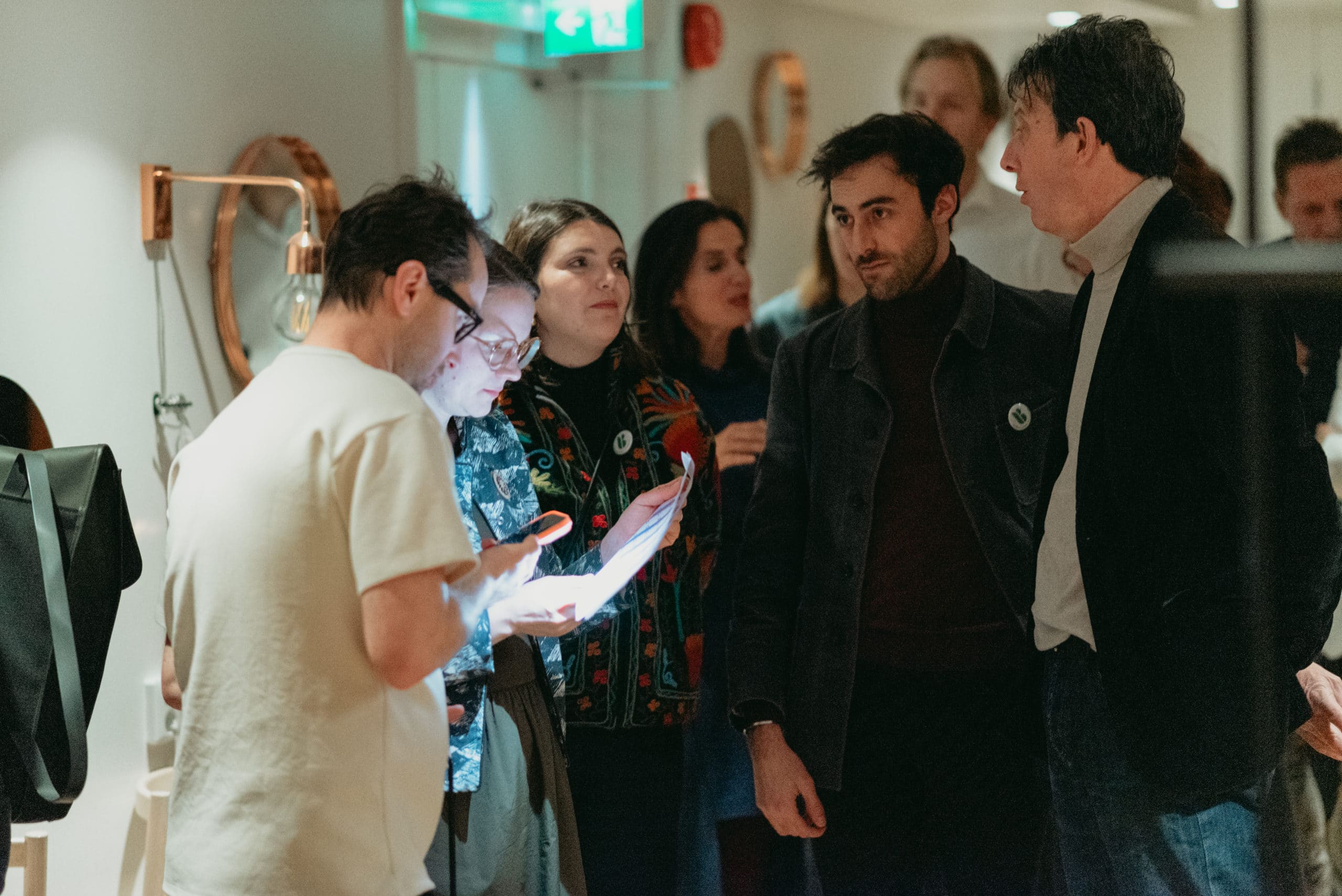
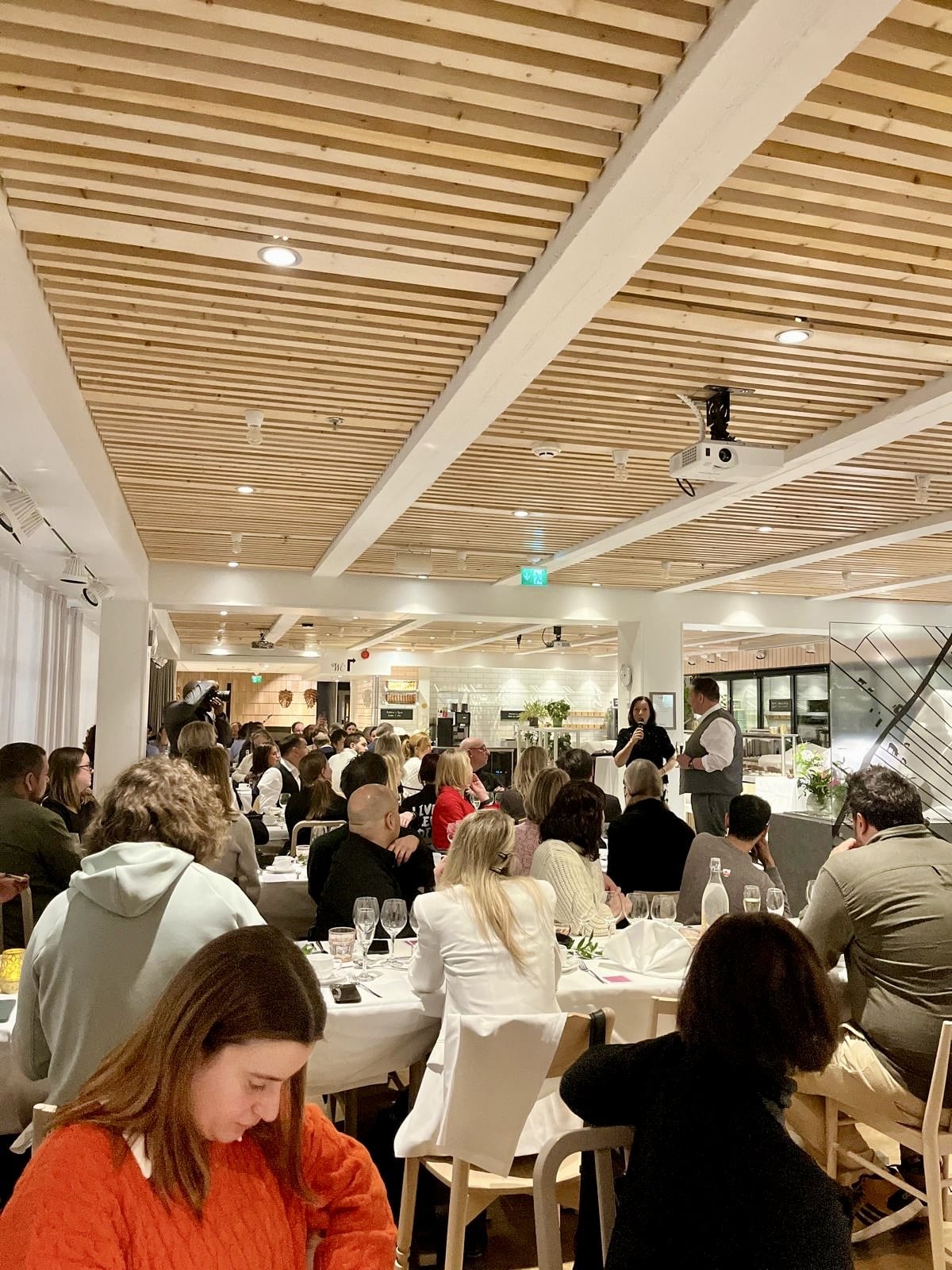
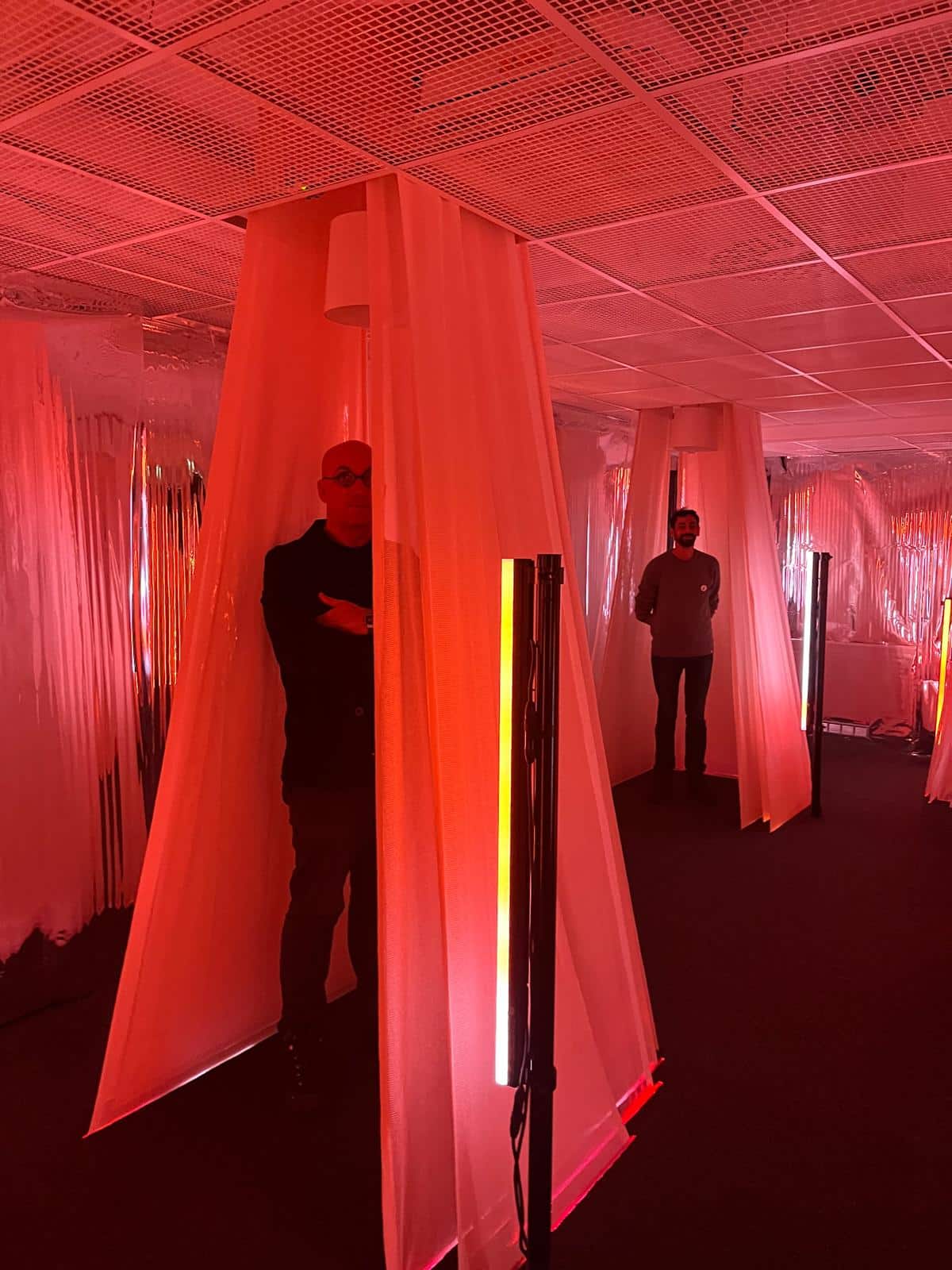
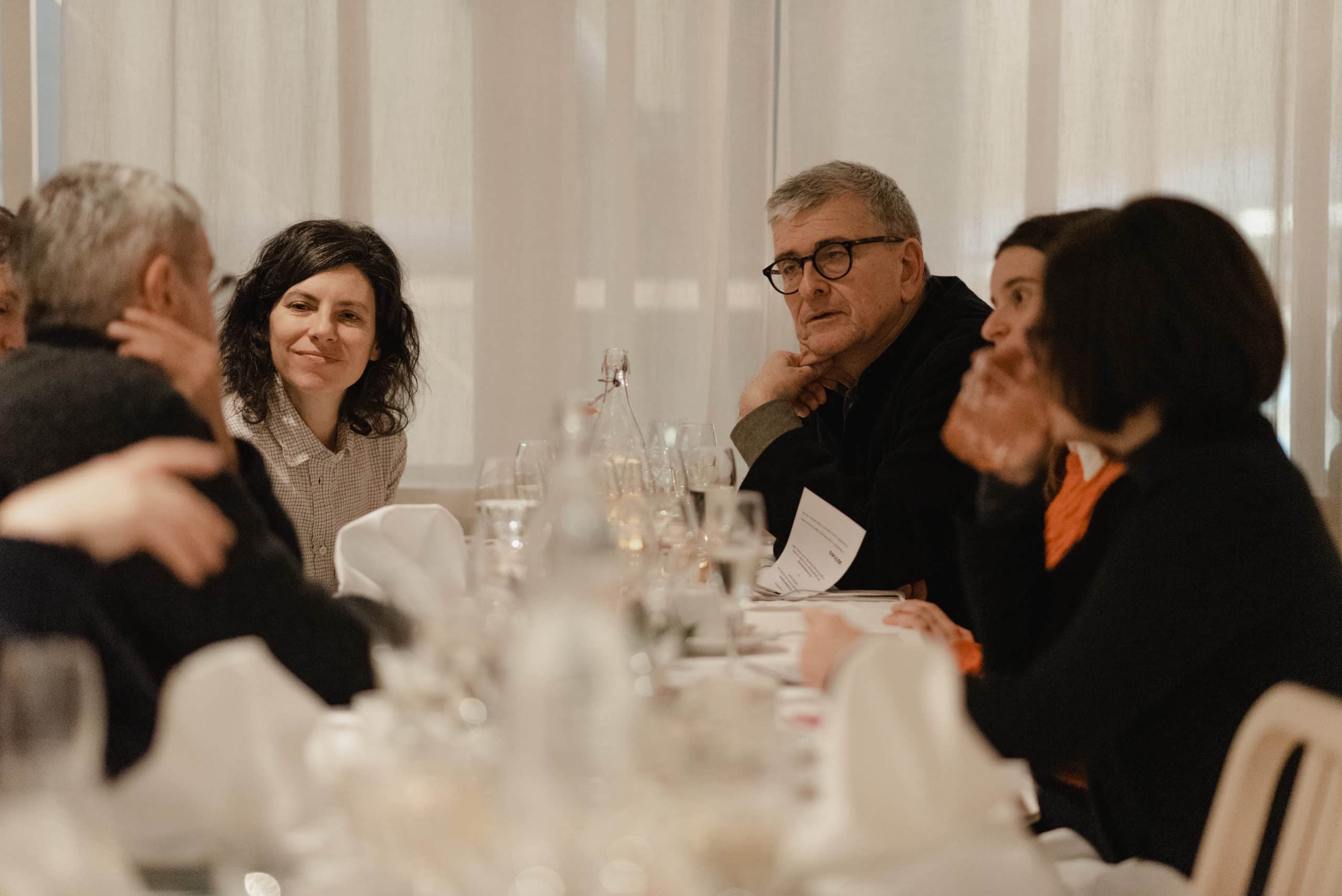
Over the past few days, I was invited to the Sibiu International Performing Arts Market (SIPAM), a programme of professional meetings organised alongside the Sibiu International Theatre Festival (FITS), one of Europe’s largest performing arts festivals. For a few days, I joined colleagues from other European Capitals of Culture, as well as performing arts professionals from around the world, to reflect together on what culture can continue to create in a rapidly changing world.
I was taking part in a panel discussion on volunteering as a tool for non-formal education. A subject that is particularly close to our hearts at Bourges 2028.
But what struck me most wasn’t to be found in the conference rooms.
It was everywhere else.
In Sibiu, the festival simply could not exist without its volunteers.
More than 500 local volunteers and 30 international volunteers help organise the festival every year. Coming from all corners of the world, the international volunteers spend nearly three weeks together: around ten days of training, followed by ten days at the heart of the festival. They welcome audiences, accompany artists, guide spectators, sometimes translate, often solve unexpected problems… but above all, they share an extraordinary human experience.
In their canteen, where I joined them for lunch, Japanese, Spanish, Romanian, French and English could all be heard around the same table. A few hours later, those same volunteers were welcoming audiences with the same smile, regardless of the language they spoke.
What also struck me was how young they were. Many of the local volunteers are still in high school. At just 17, the two girls named Daria who showed us around Sibiu already knew the festival inside out and spoke about their involvement with infectious pride. They were the best ambassadors their city could wish for.
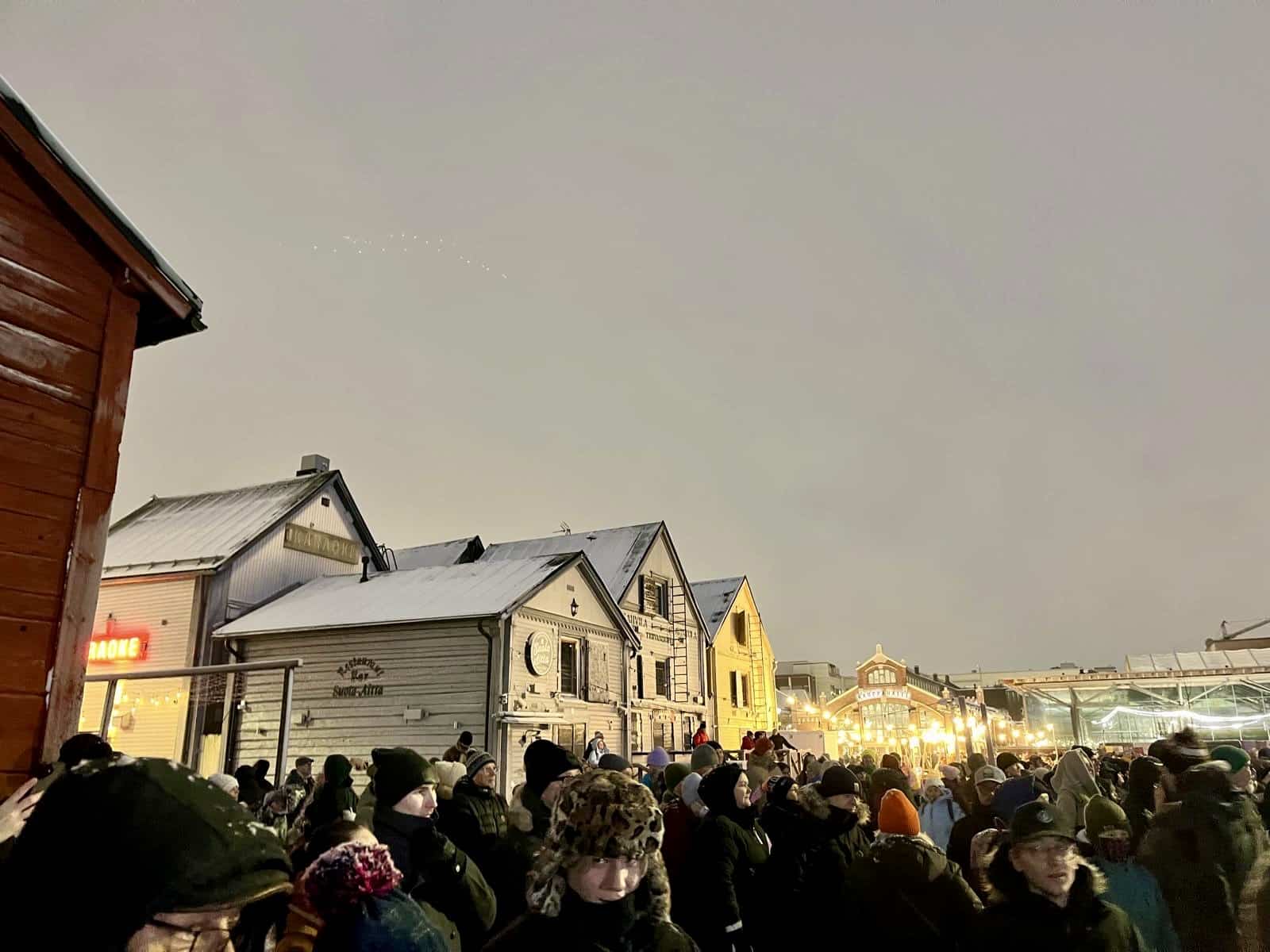
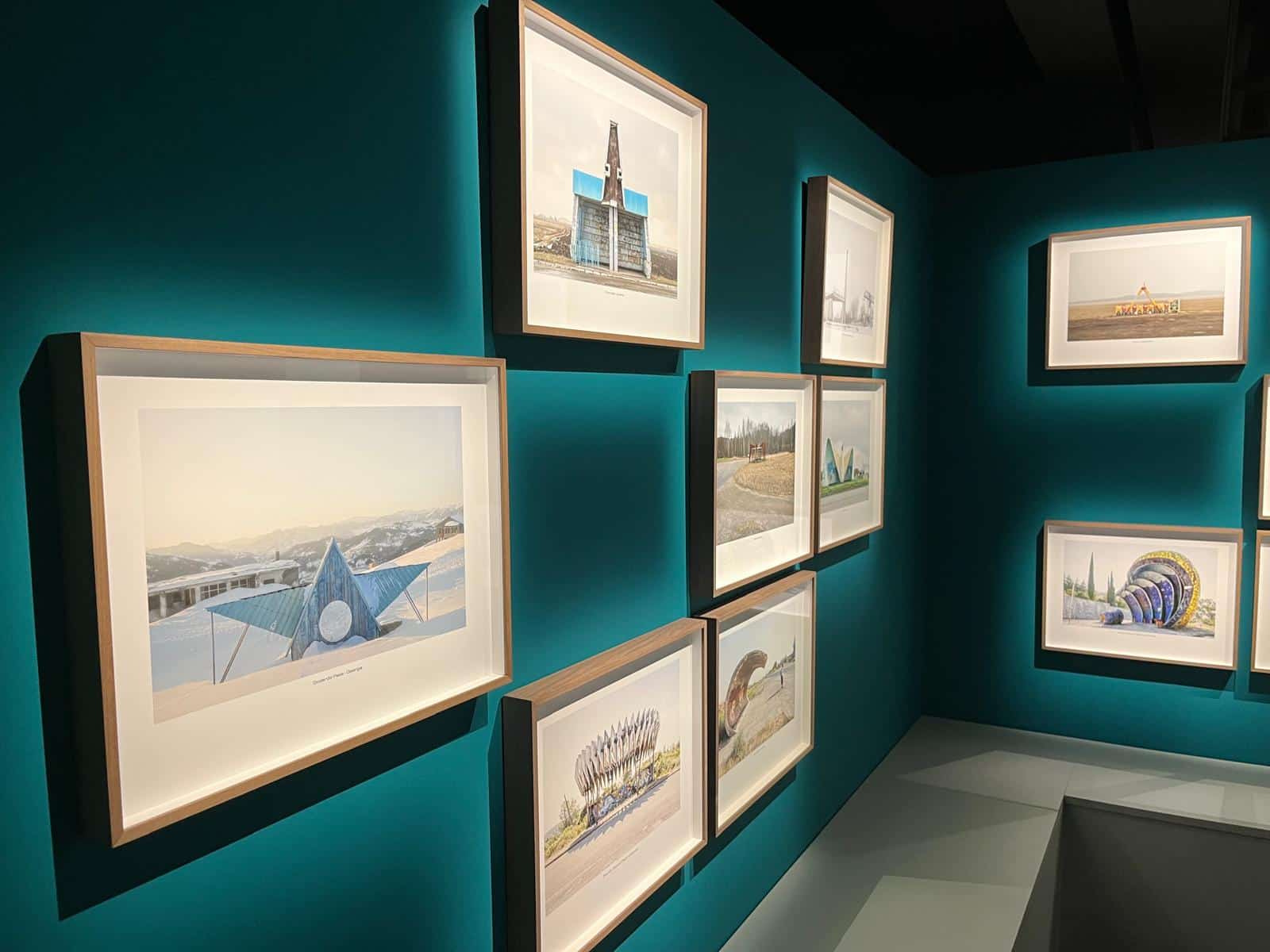
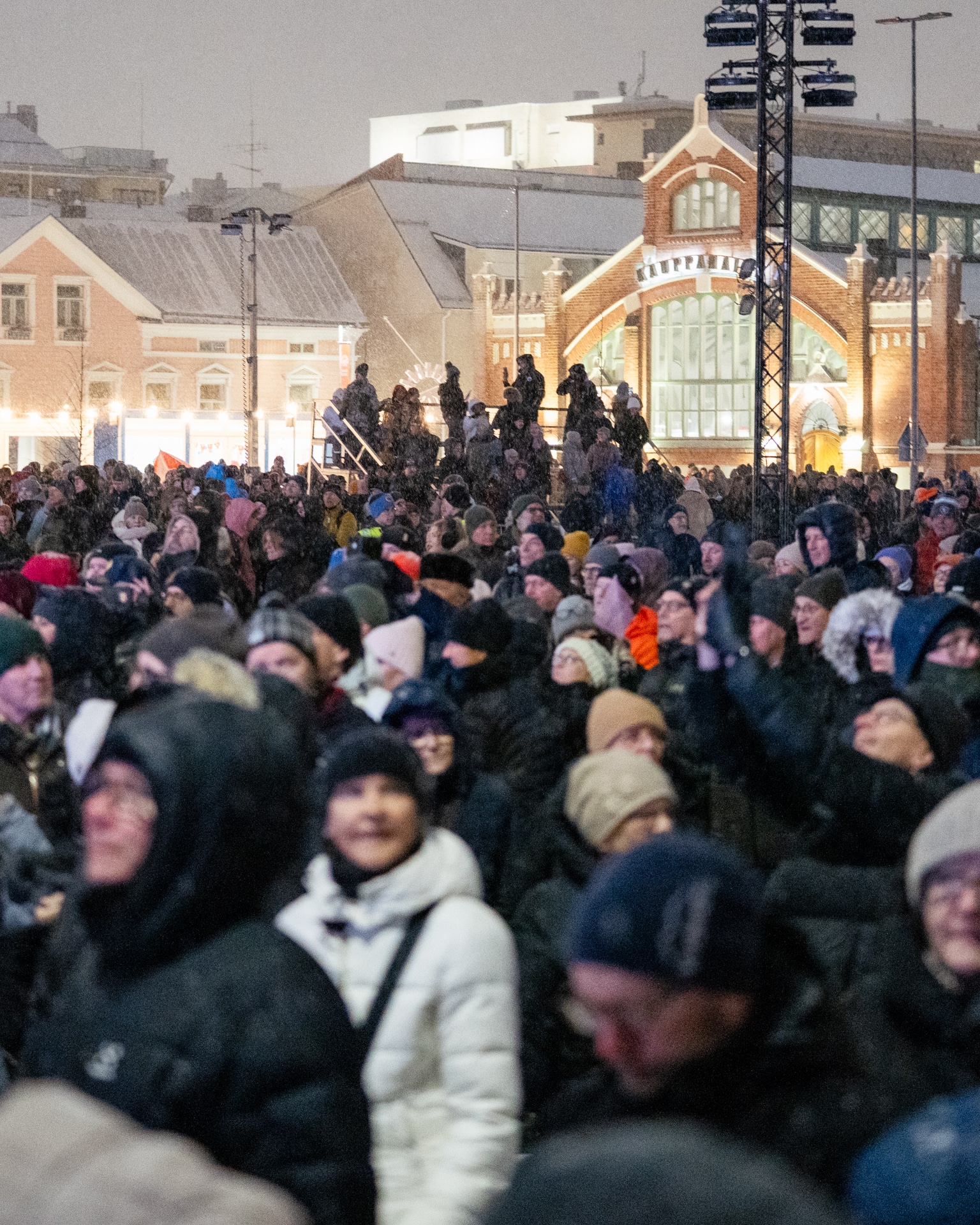
The performances, too, will stay with me for a long time. A deeply moving account by Palestinian actor Ahmed Tobasi, a concert of traditional Japanese music in a church, a Spanish flamenco performance, an Irish theatre production staged in a converted former factory, and street performances from Finland and China… For a few days, Sibiu became a true meeting point for cultures from around the world.
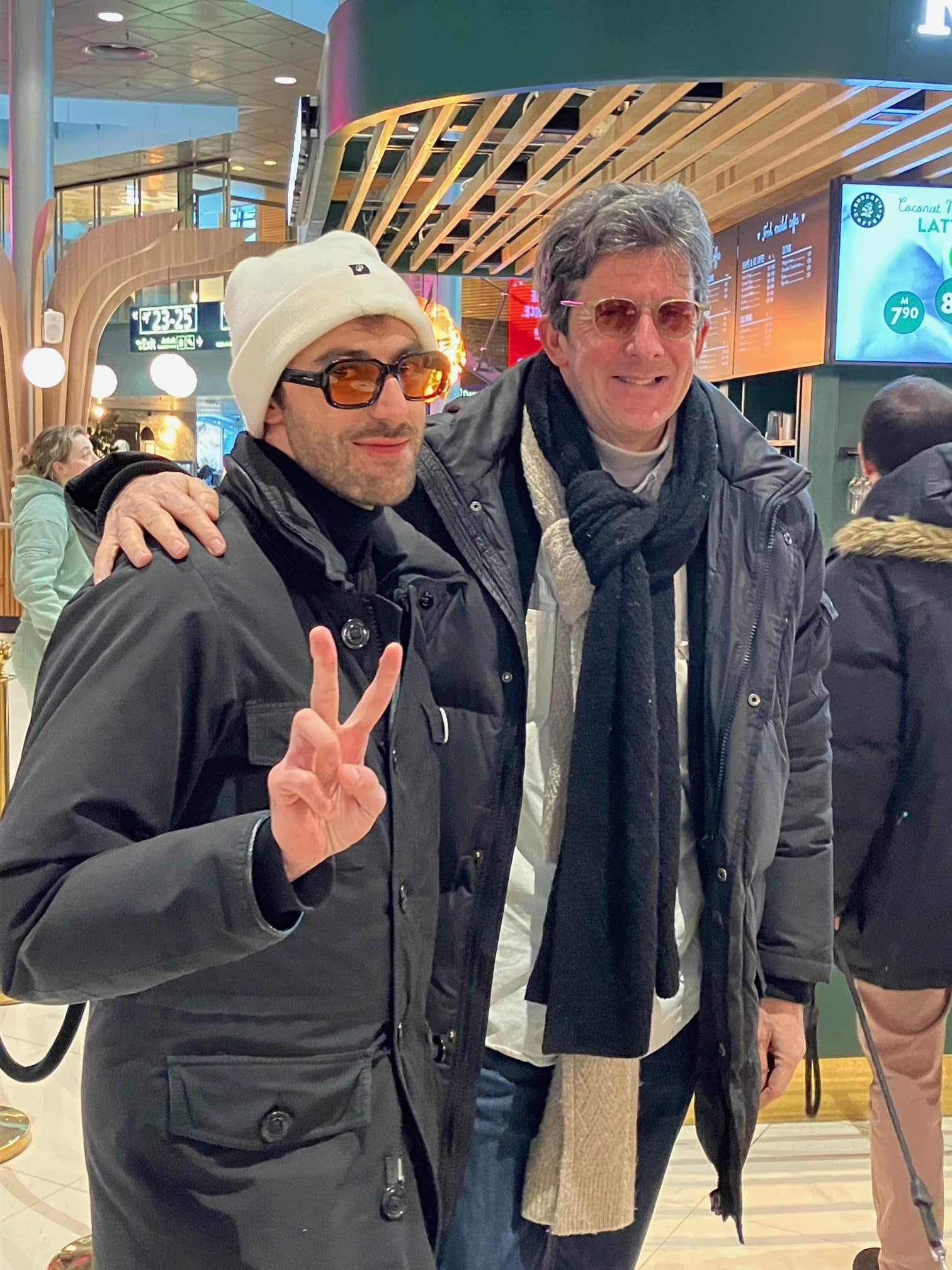
Through conversations with the festival teams, with Annette, my counterpart from Oulu 2026, and with the international volunteers, one conviction grew stronger: European Capitals of Culture and major festivals are not built solely through their artists or their programmes.
Above all, they exist thanks to the people who choose to give their time.
As I left Sibiu, I brought back more than just ideas for the Bourges 2028 participation programme. Above all, I came away with an overwhelming desire: to continue making our volunteer community a place where people do more than simply lend a helping hand. A place where they meet others, learn, grow and build, together, a shared European adventure.


 S'inscrire à la newsletter
 Download Bidbook