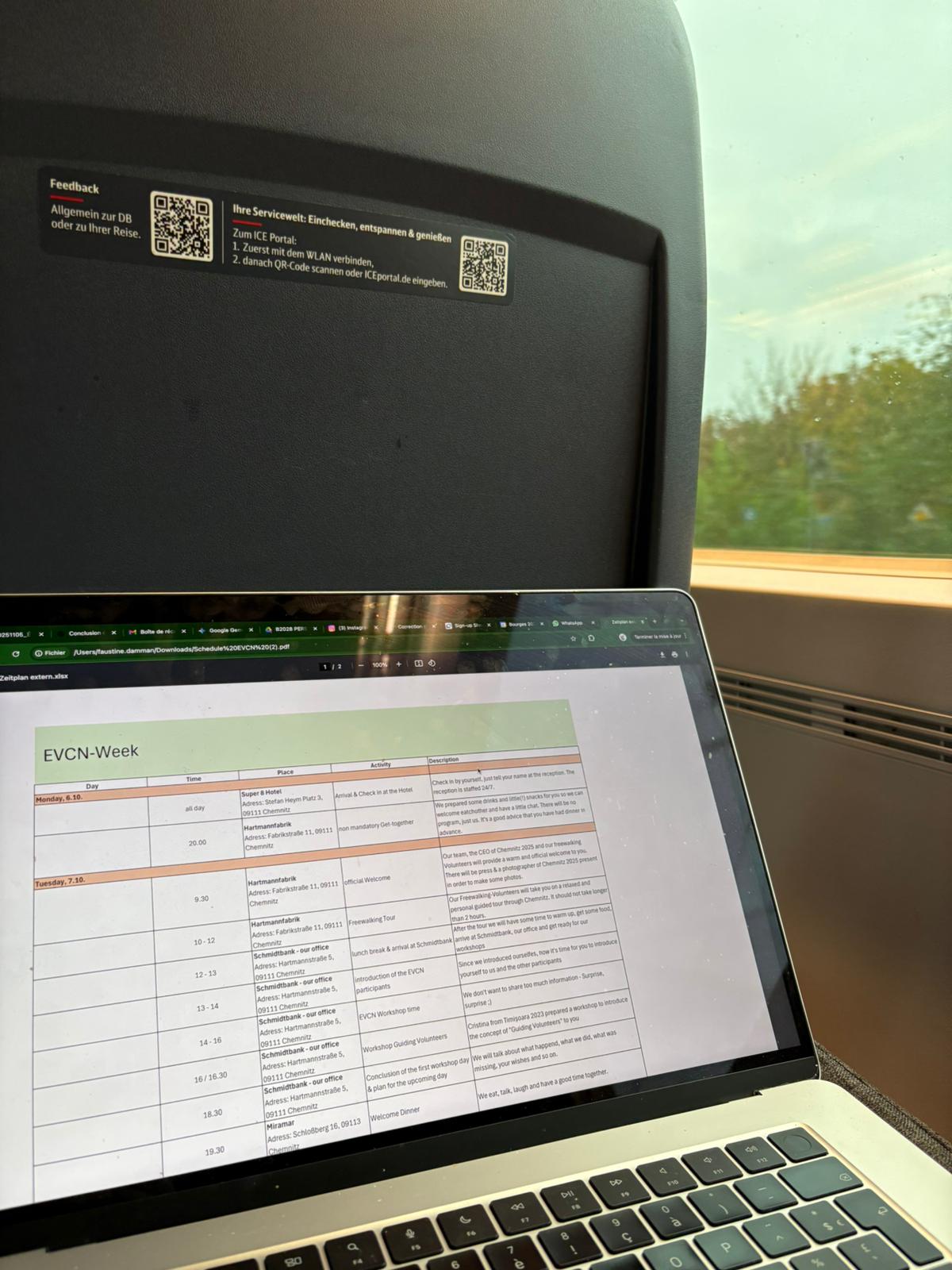
Fifteen hours and four trains separate Bourges from Chemnitz… plenty of time to let a thousand and one questions run through my mind about this first trip as Volunteer Coordinator. What does this great European family of the European Capitals of Culture—so often described to me by Louise—really look like? How do other cities bring volunteer engagement to life? Is there a “volunteer formula” for mobilising hundreds of people, ready to commit heart and soul to a collective adventure like ours?
With Sophie, representative of the Bourges 2028 volunteers, we don’t quite know the answers yet—but we are about to dive into the world of the ECoC Family Meetings, where the bonds are forged between those who, all across Europe, make the heart of culture beat.
On the second train, Sophie told me—with a touch of emotion—about the last time she had travelled to East Germany. It was in 1981, during a school trip with a group of foreign students. We talked about that historic moment which marked an entire generation, and which I did not experience myself: the fall of the Berlin Wall. An event she followed with intense anticipation from her television screen on 9 November 1989.
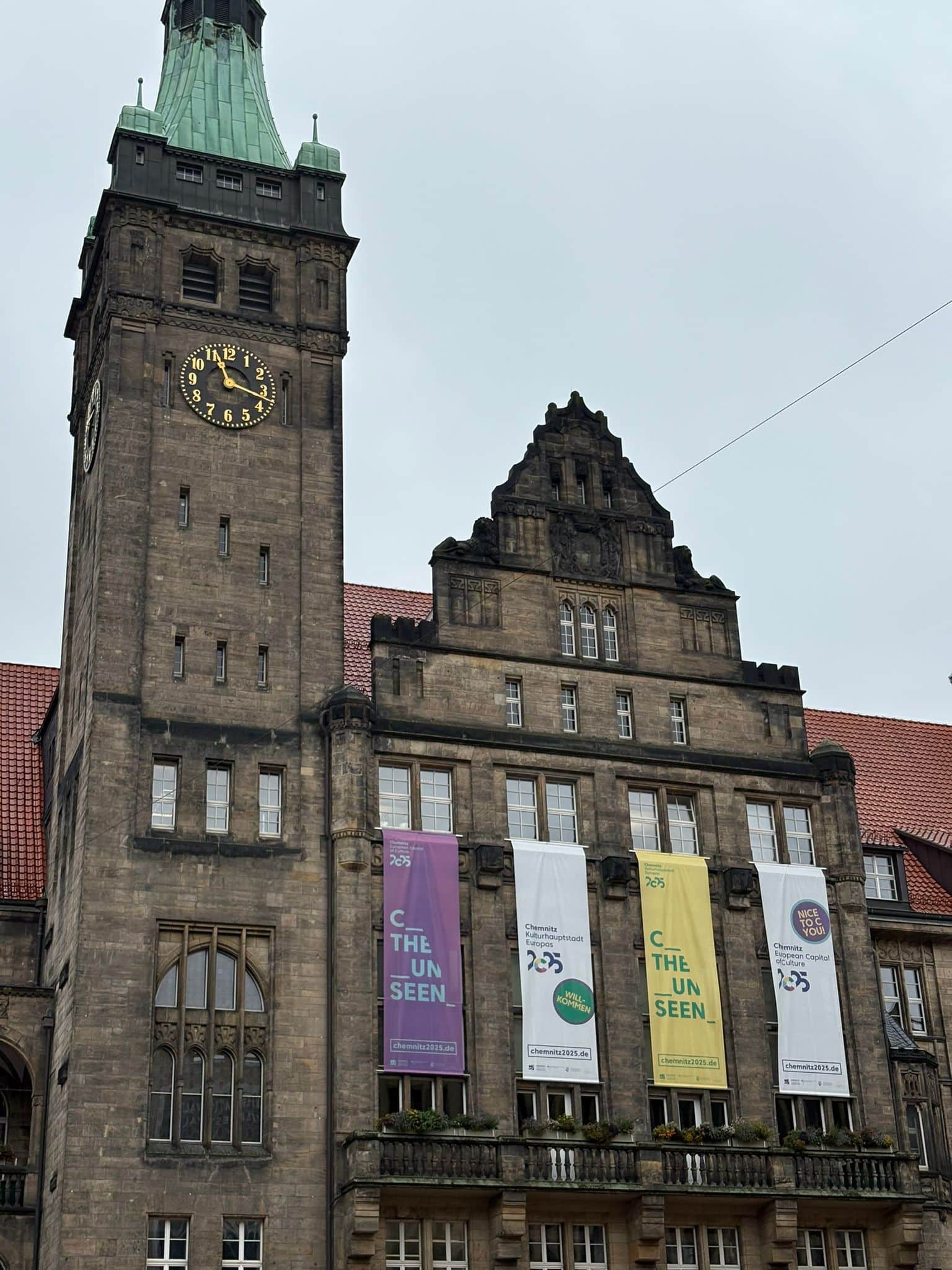
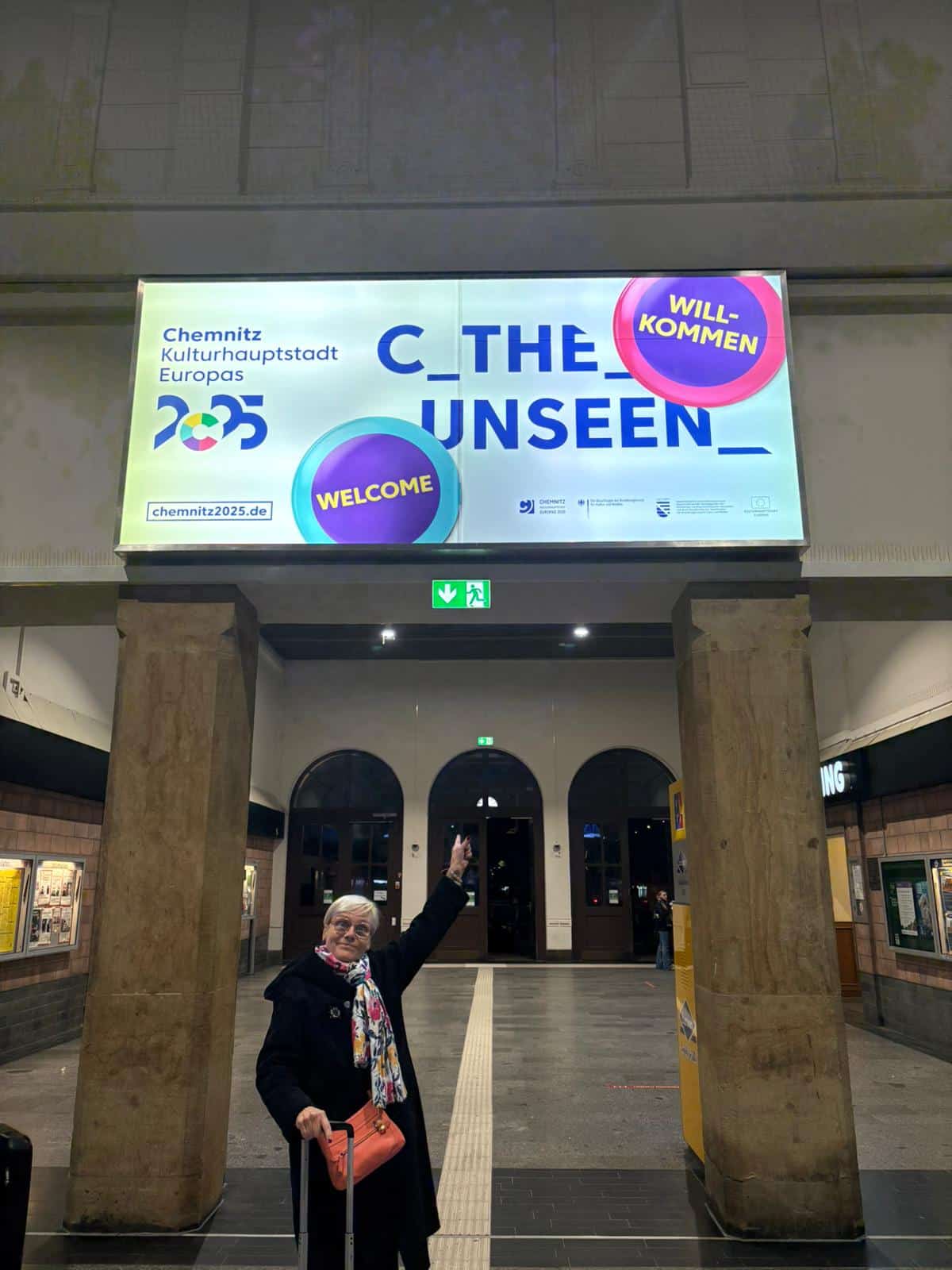
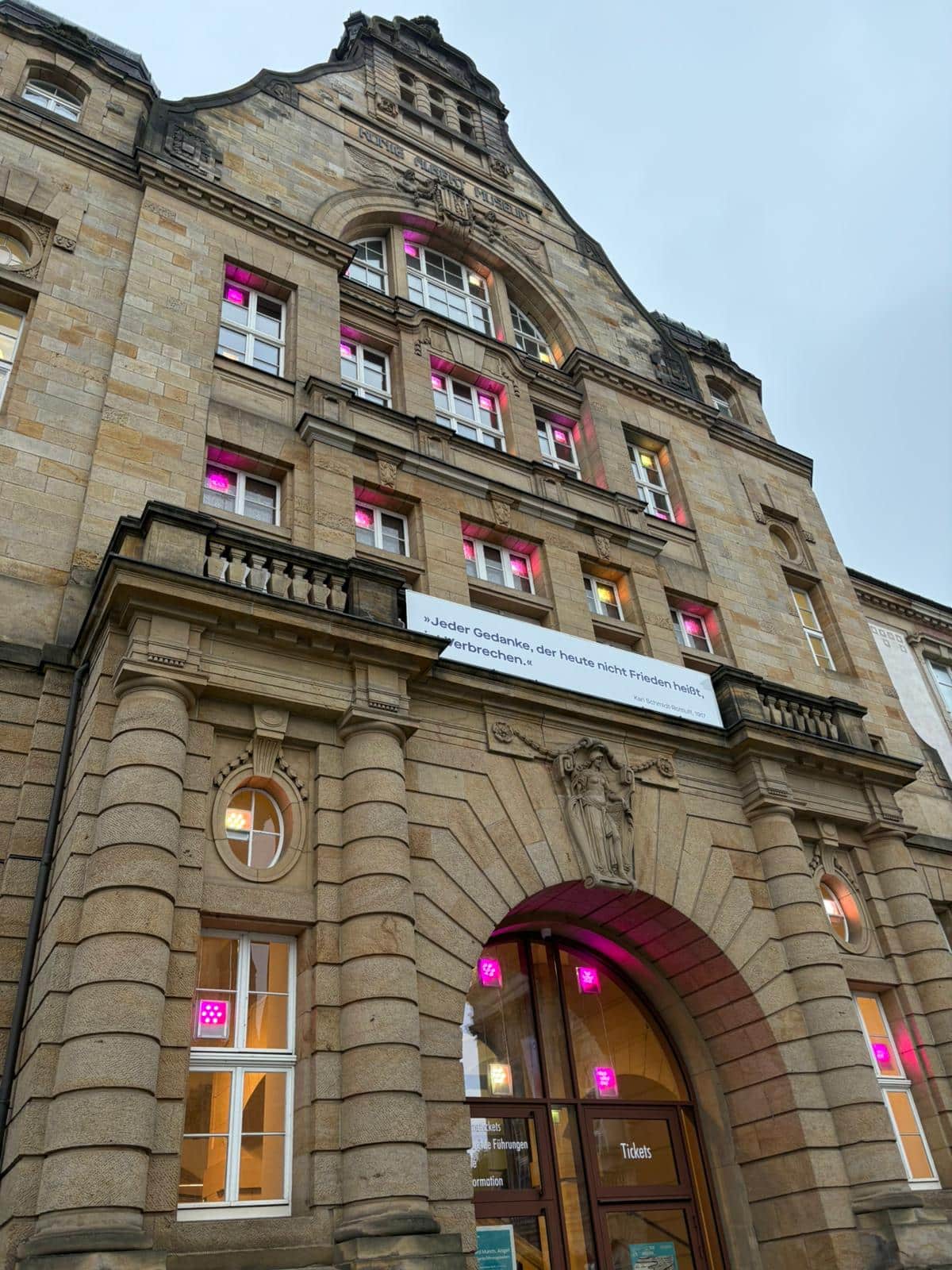
Chemnitz took us by surprise. A city shaped by its industrial past, long known as “Karl-Marx-Stadt”—not exactly the dream profile for being selected as a European Capital of Culture. And yet, under the slogan “C the Unseen,” Chemnitz has boldly risen to the challenge of revealing the beauty of culture where it is least expected.
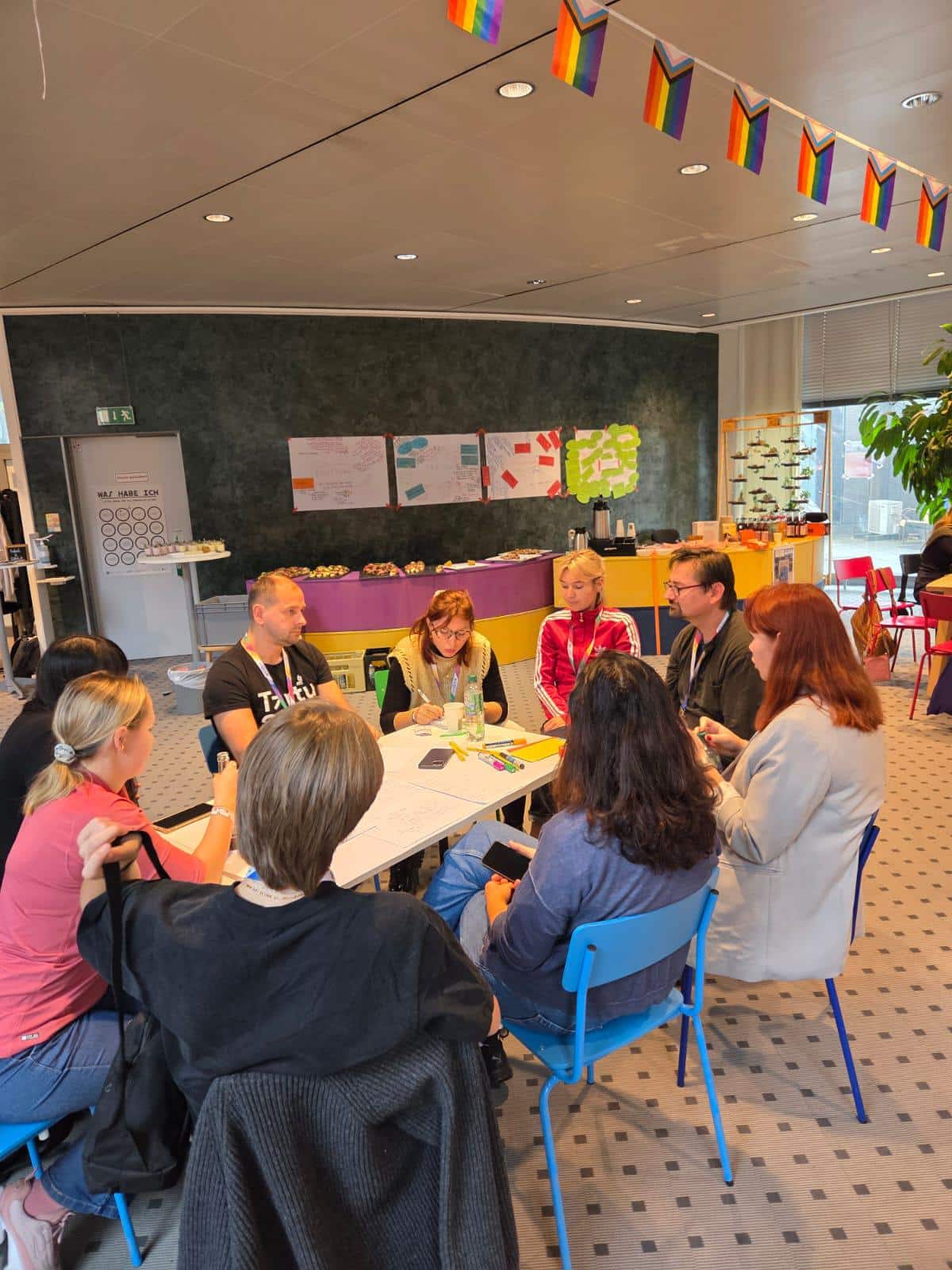
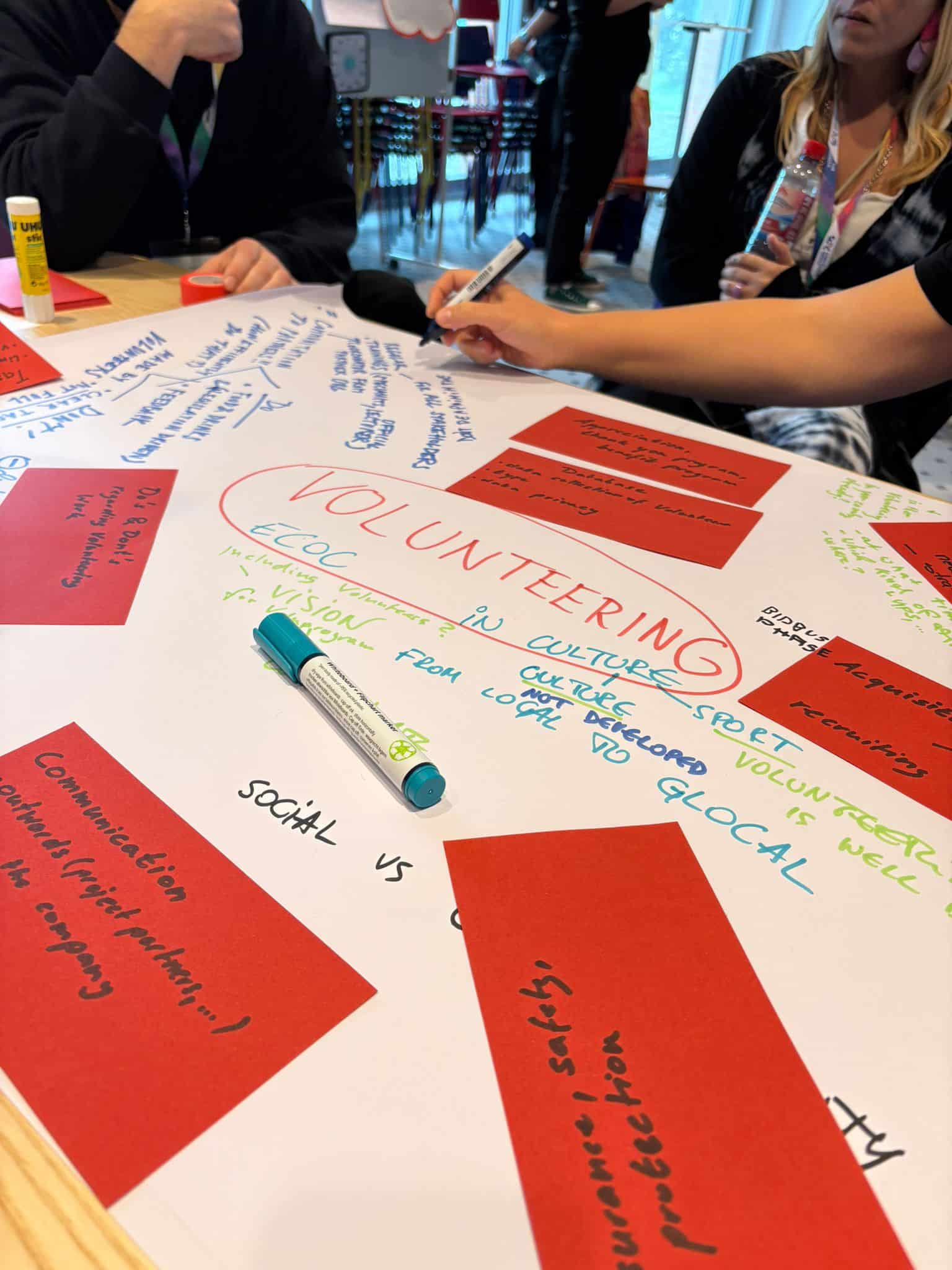
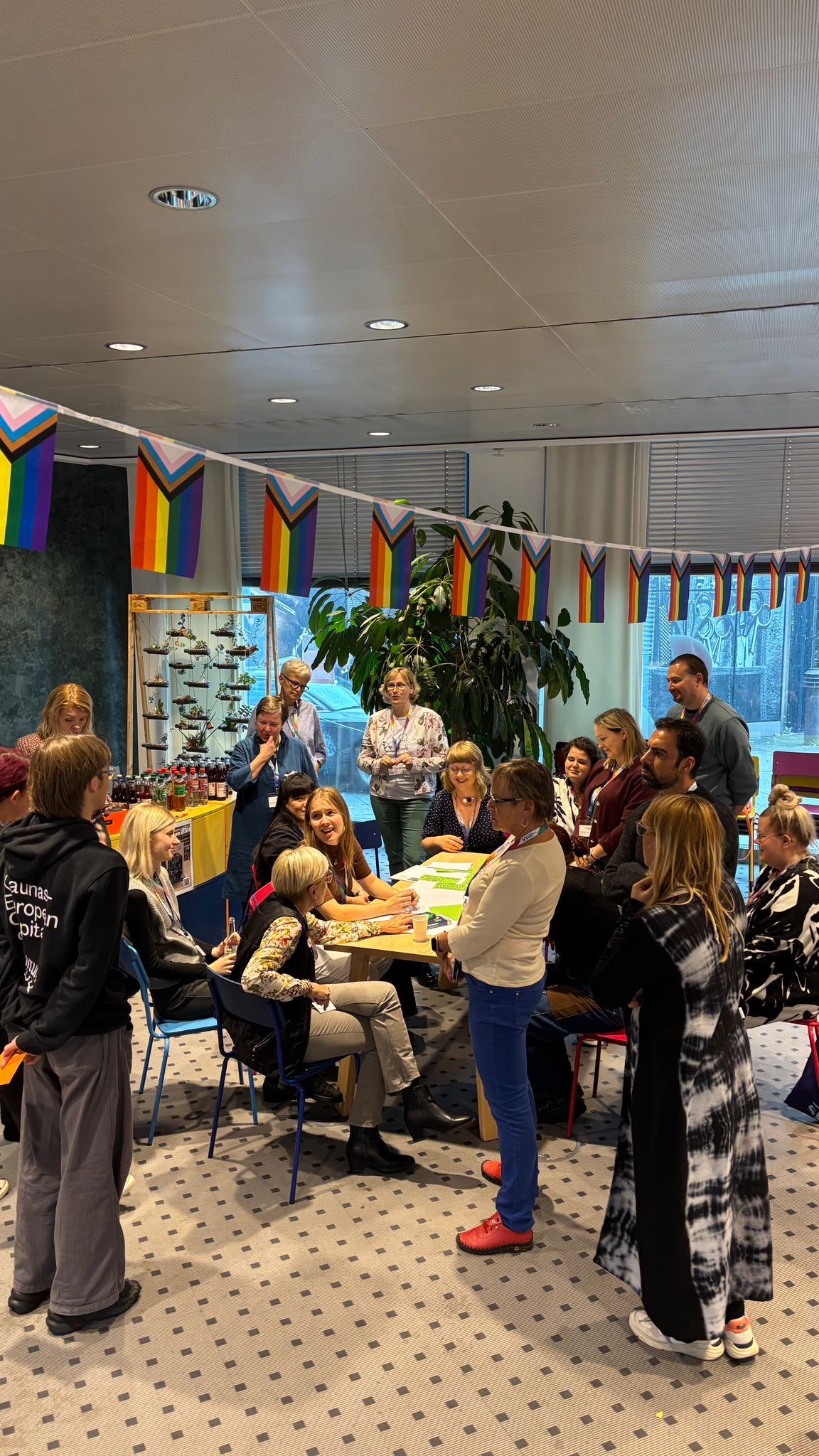
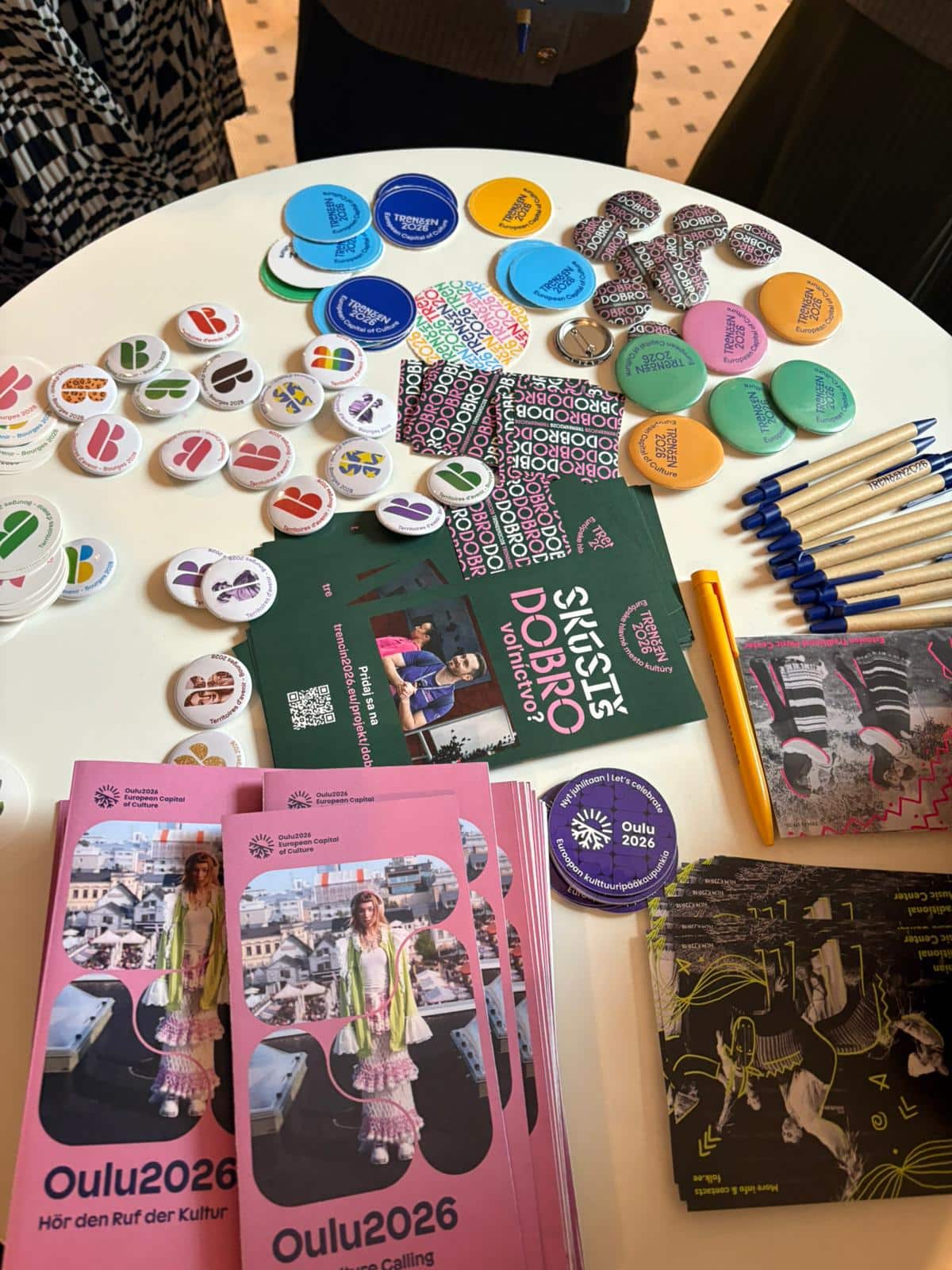
For four days, around the same table, voices from Chemnitz, Trenčín, Tartu, Kaunas, Liepāja, Oulu, Timișoara, Évora, and Bourges came together. We shared our doubts, our pride, our achievements—all those invisible things that nevertheless lie at the very heart of such a collective project.
And when Timișoara spoke of the 3,100 volunteers mobilised in 2023, a silence swept through the room. Projected onto 2028, that would mean the equivalent of one in every twenty residents of Bourges joining our collective—to bring the city to life and welcome curious visitors from all over the world.
Sophie, meanwhile, forged other connections—notably with Andrea and Lenka, two volunteers from Timișoara and Budweis.
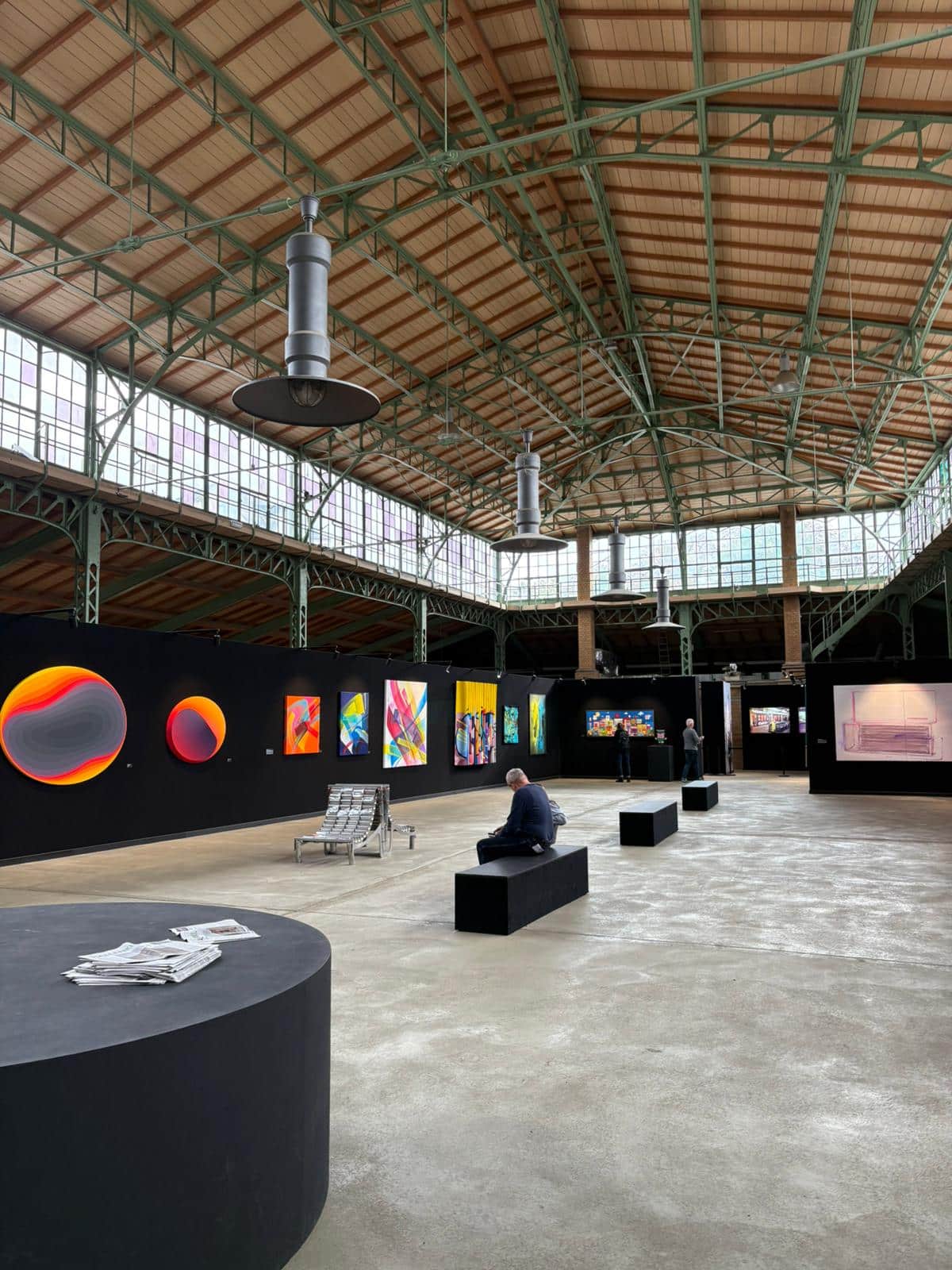
And then, beyond the meeting rooms, we stepped into the “Hallekunst,” an exhibition dedicated to street art. In this vibrant, bustling hall, other forms of expression unfold—free and colourful. It was impossible not to see a nod to our own Halle au Blé in Bourges…
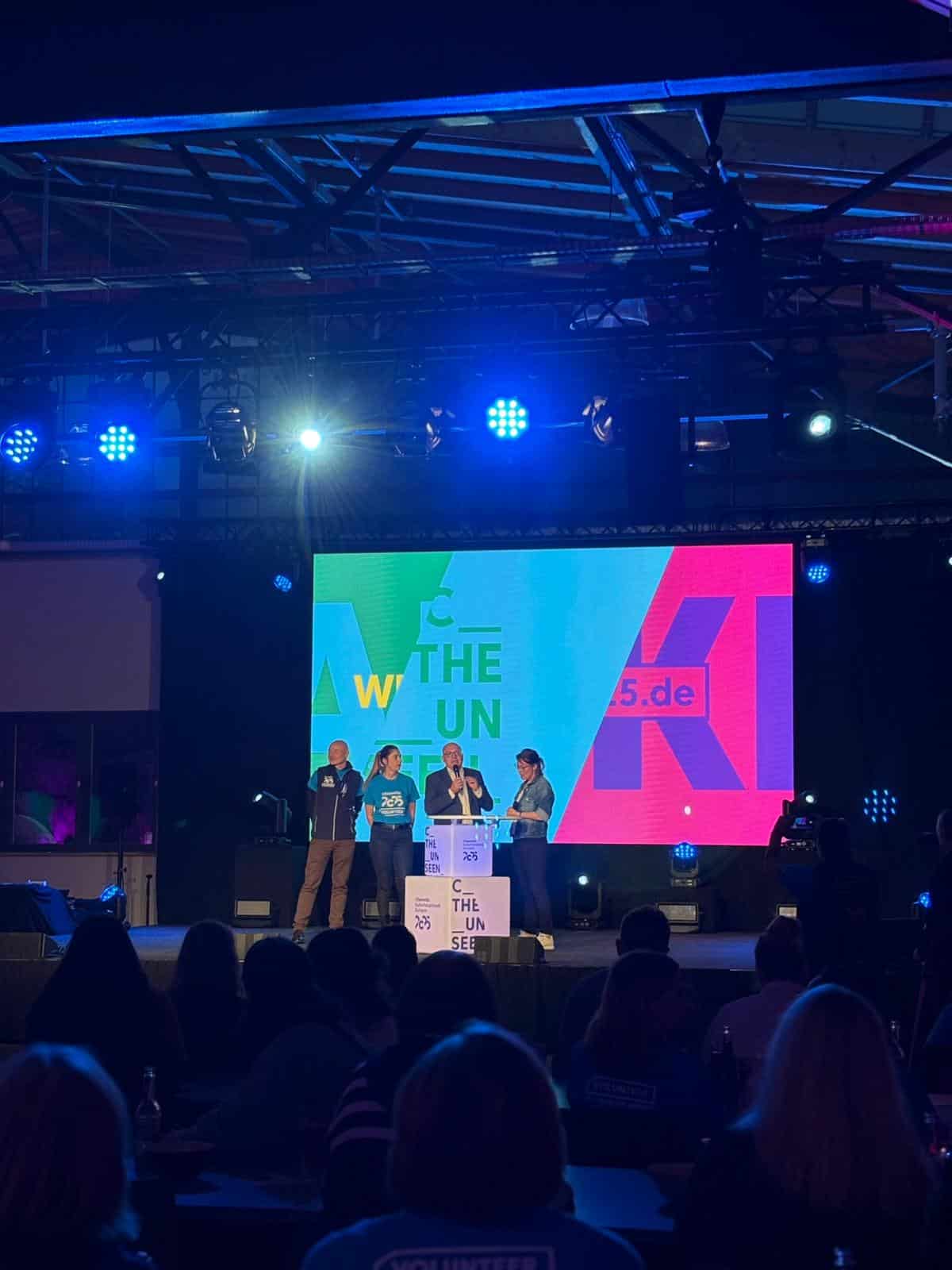
The final evening—the Chemnitz volunteers’ celebration—will stay with us for a long time. 1,200 citizens, 40,000 hours of volunteer work in 2025, and despite the dizzying scale of these achievements, everything was celebrated in a spirit of simple joy.
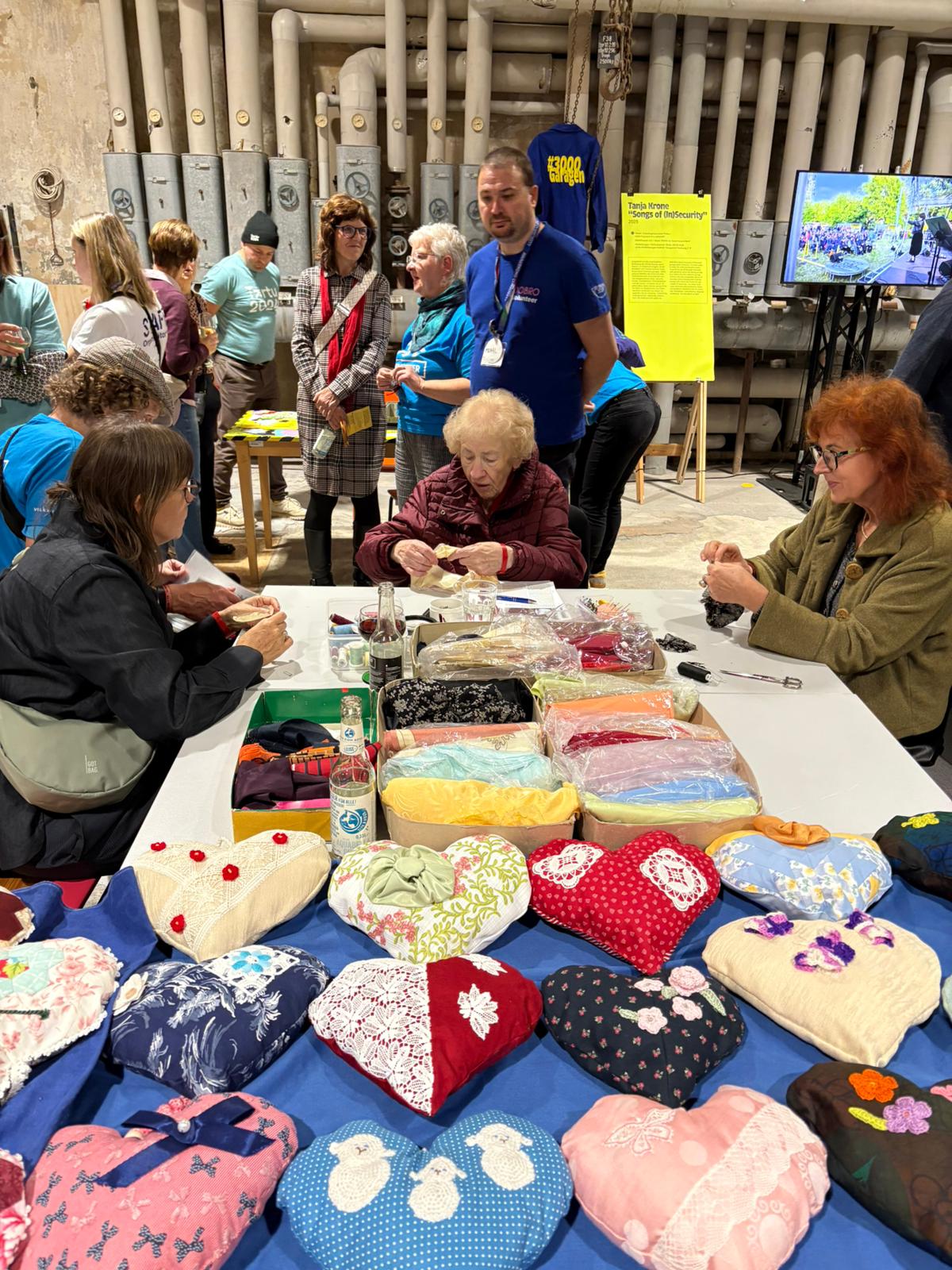
It was also a moment to thank the volunteers, with roles delightfully reversed: members of the ECoC team worked the bar, managed the cloakrooms, and welcomed guests, while the volunteers enjoyed the evening in a different way. Among this crowd, one face will stay especially vivid in our memories—that of Anne-Laure, 93 years old, who, from behind her sewing table, invited everyone to make small fabric hearts that would later be donated to the city’s hospitals.
That evening, we felt the true heart of the European Capitals of Culture beating: the heart of sharing and doing things together—the one Louise had told me about when she returned from Oulu, the one that will beat in Bourges.
 S'inscrire à la newsletter
 Download Bidbook