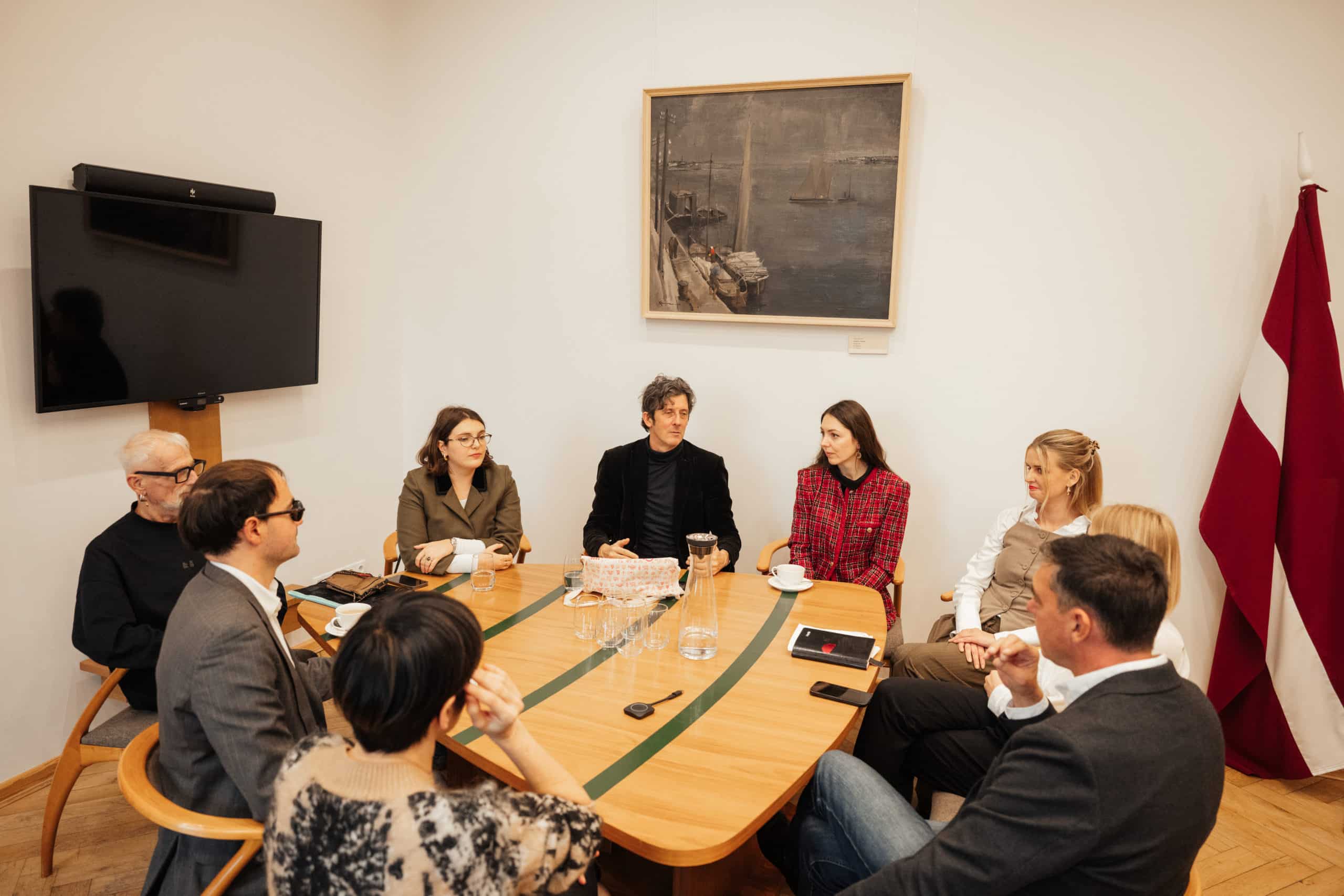
Liepāja, Latvia. Setting course for the Baltic coast for my very first trip as Accessibility Manager for Bourges 2028. With one shared obsession alongside my Latvian colleagues: how can we make our Capitals true springboards for building territories that are more inclusive for people with disabilities?
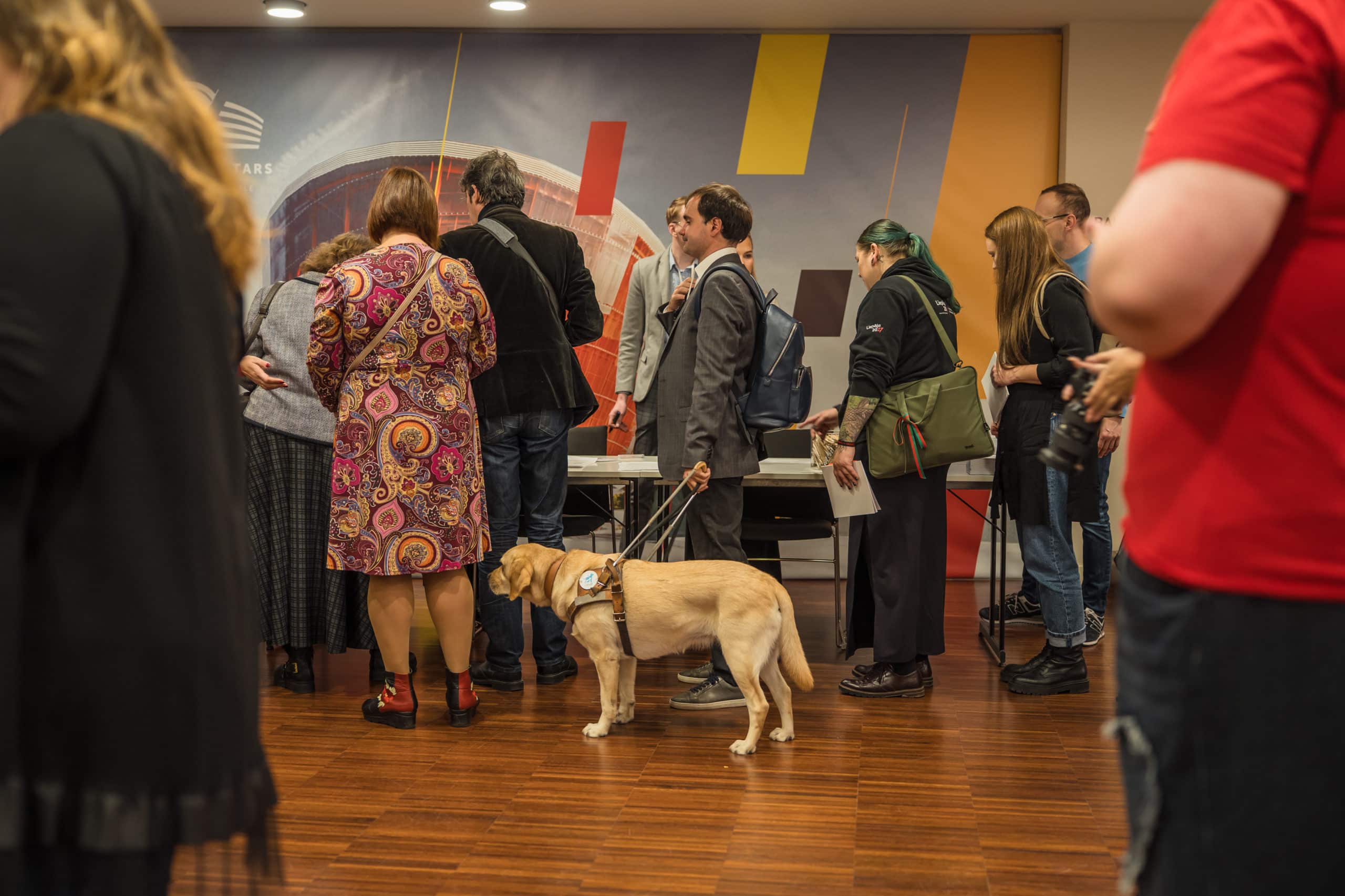
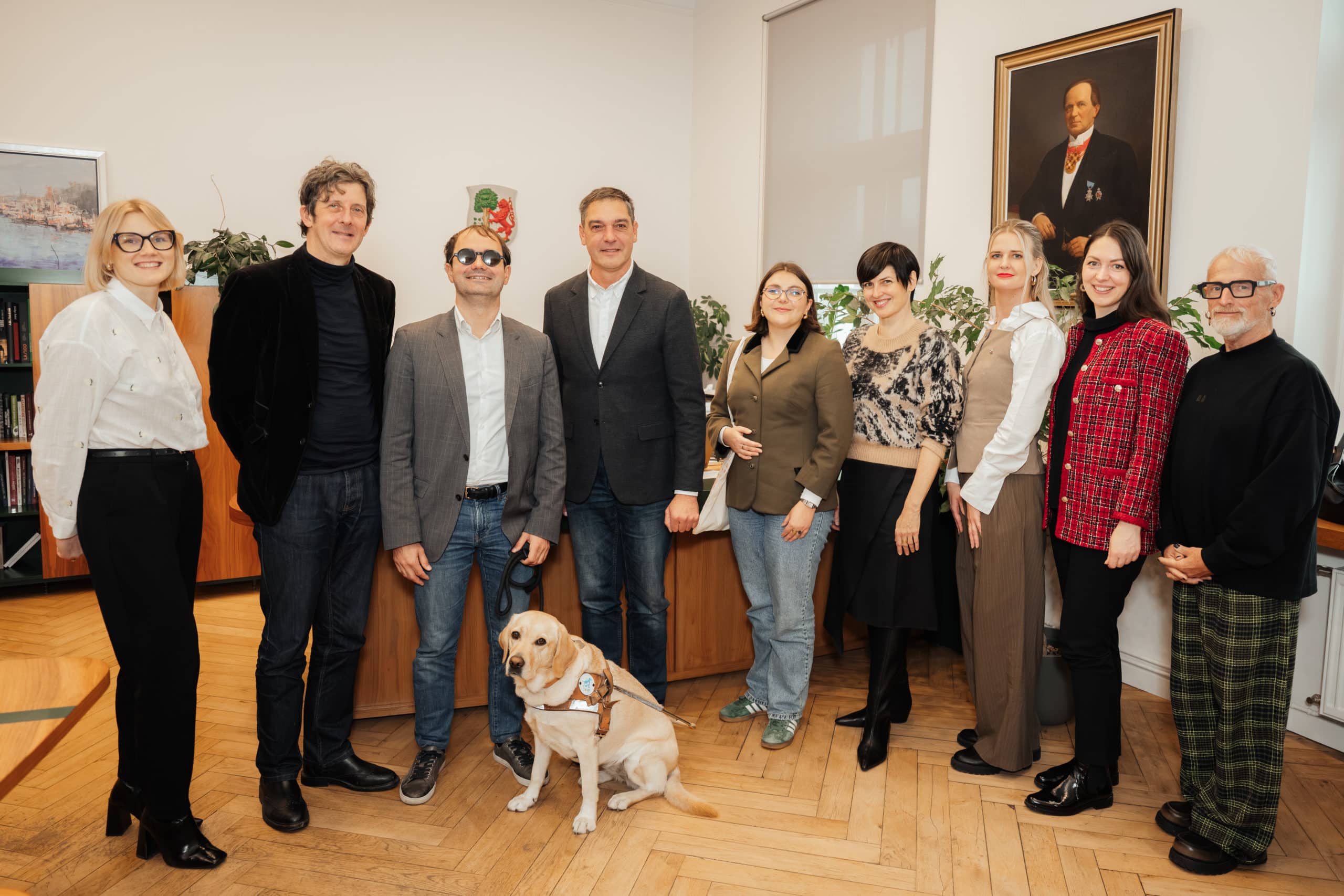
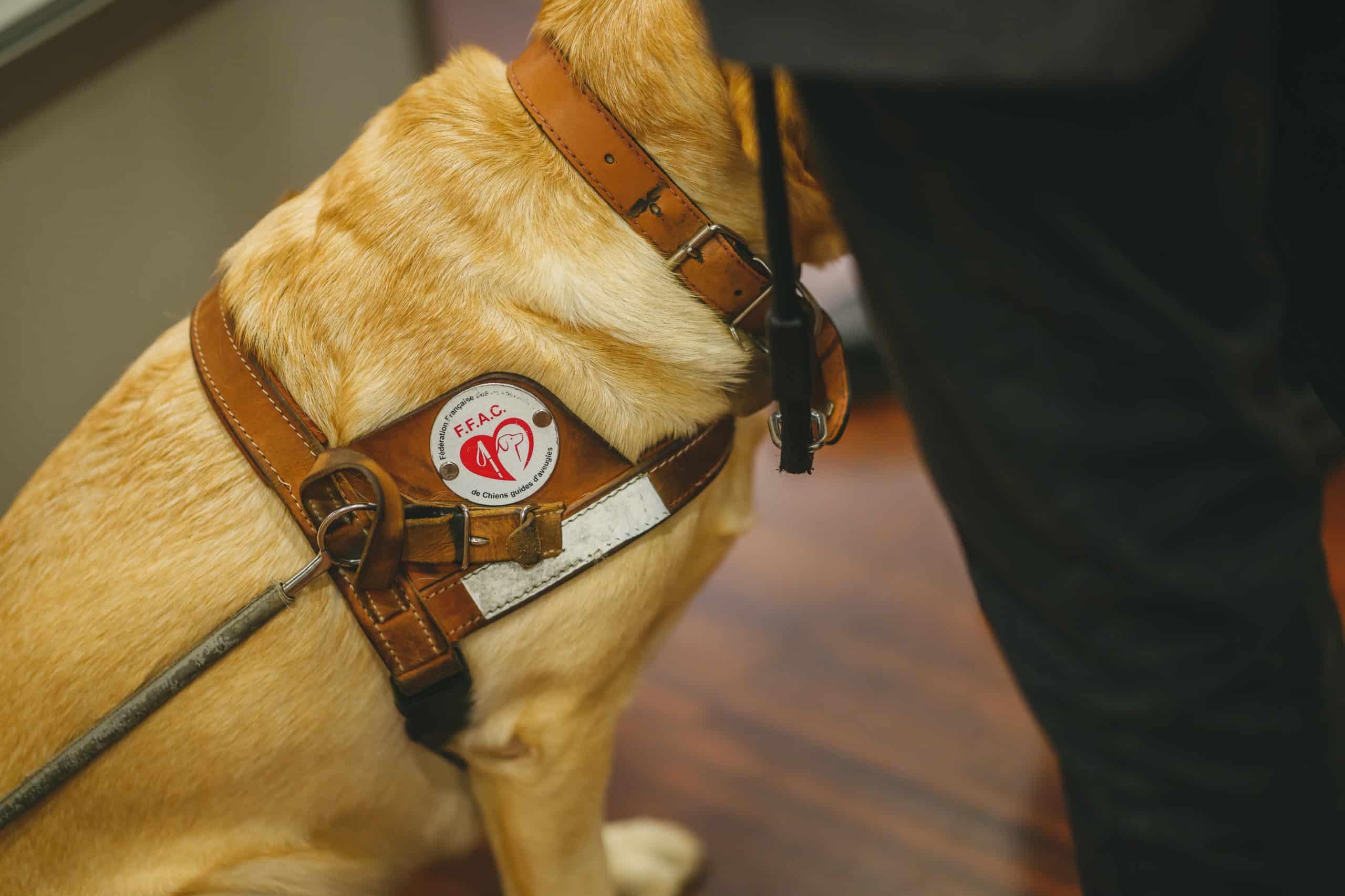
To be honest, I was also setting off with a bit of apprehension, following a few recent disappointments with airlines: how would this journey go with my guide dog, Toadette? In the end, everything went wonderfully—flight, bus, on-site welcome—and thanks as well to the support and camaraderie of my travel companions: Louise, Head of International Relations; Pascal, our General Director; and choreographer and filmmaker Christophe Haleb, who had come to initiate a European project focused on youth.
Poetic and disarming, Liepāja welcomed us warmly thanks to Baiba, Zanda, and Diana, our hosts from Liepāja 2027—an attentive and inspiring team, already immersed in the challenges we will soon face ourselves.
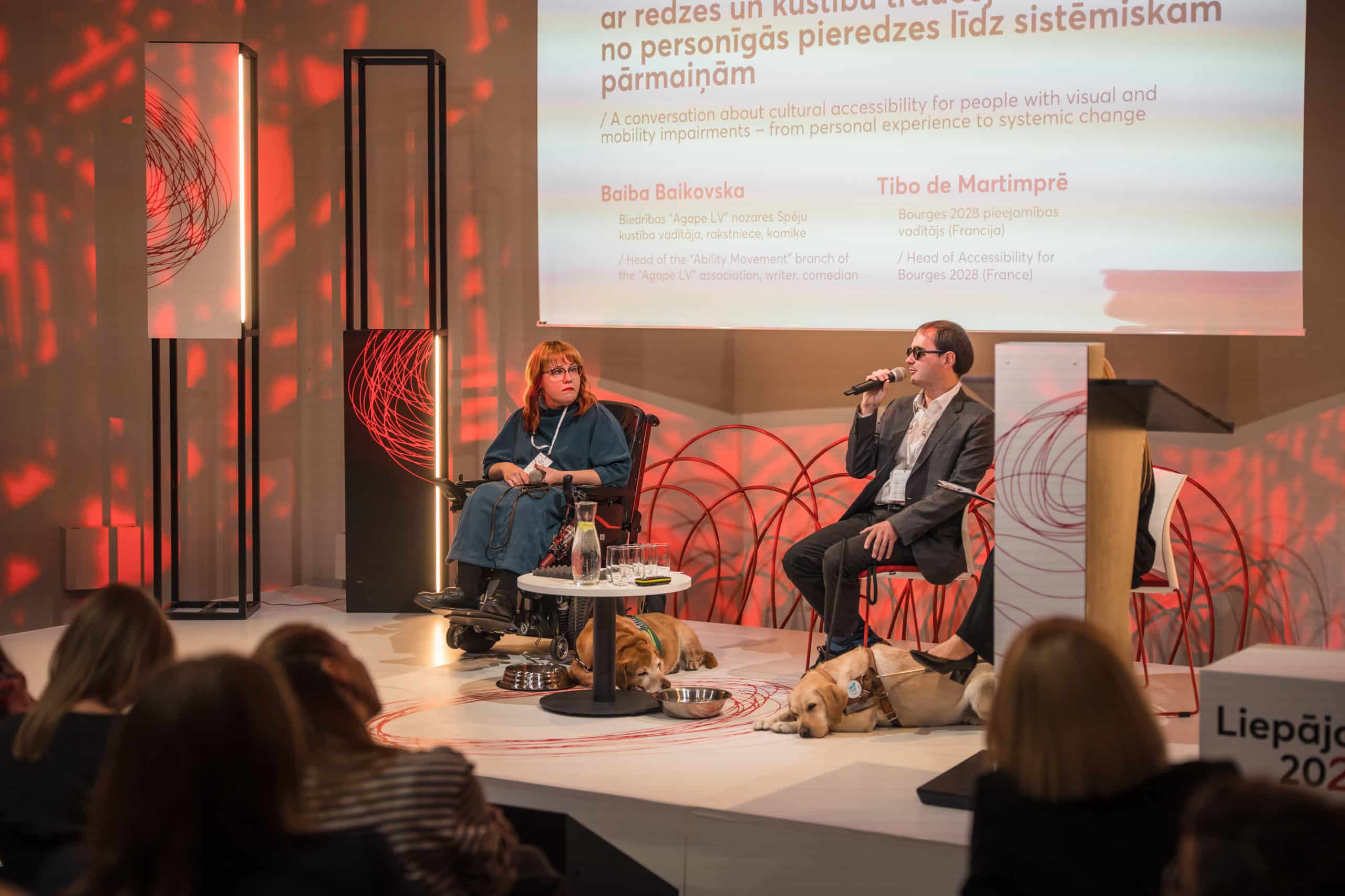
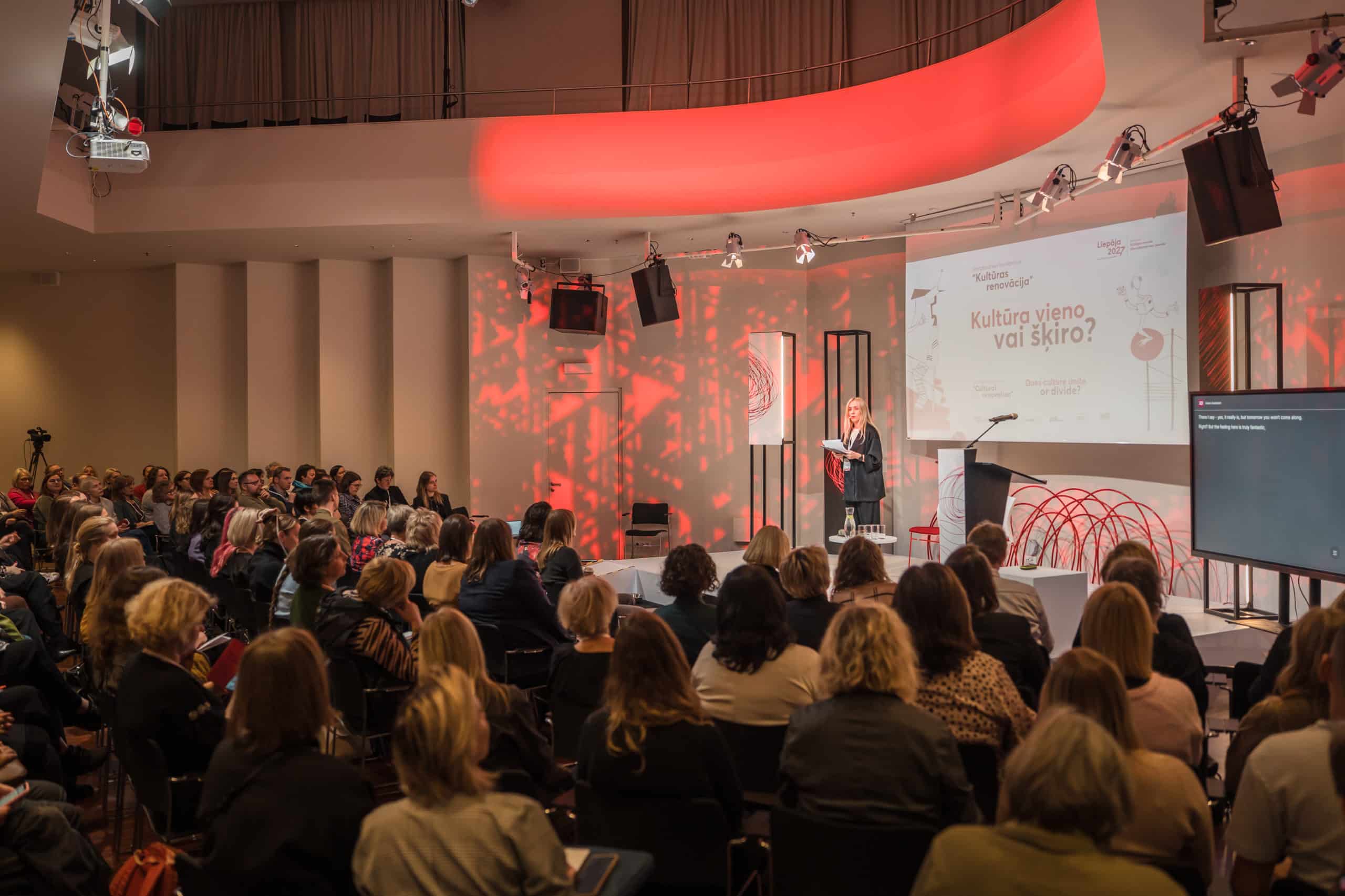
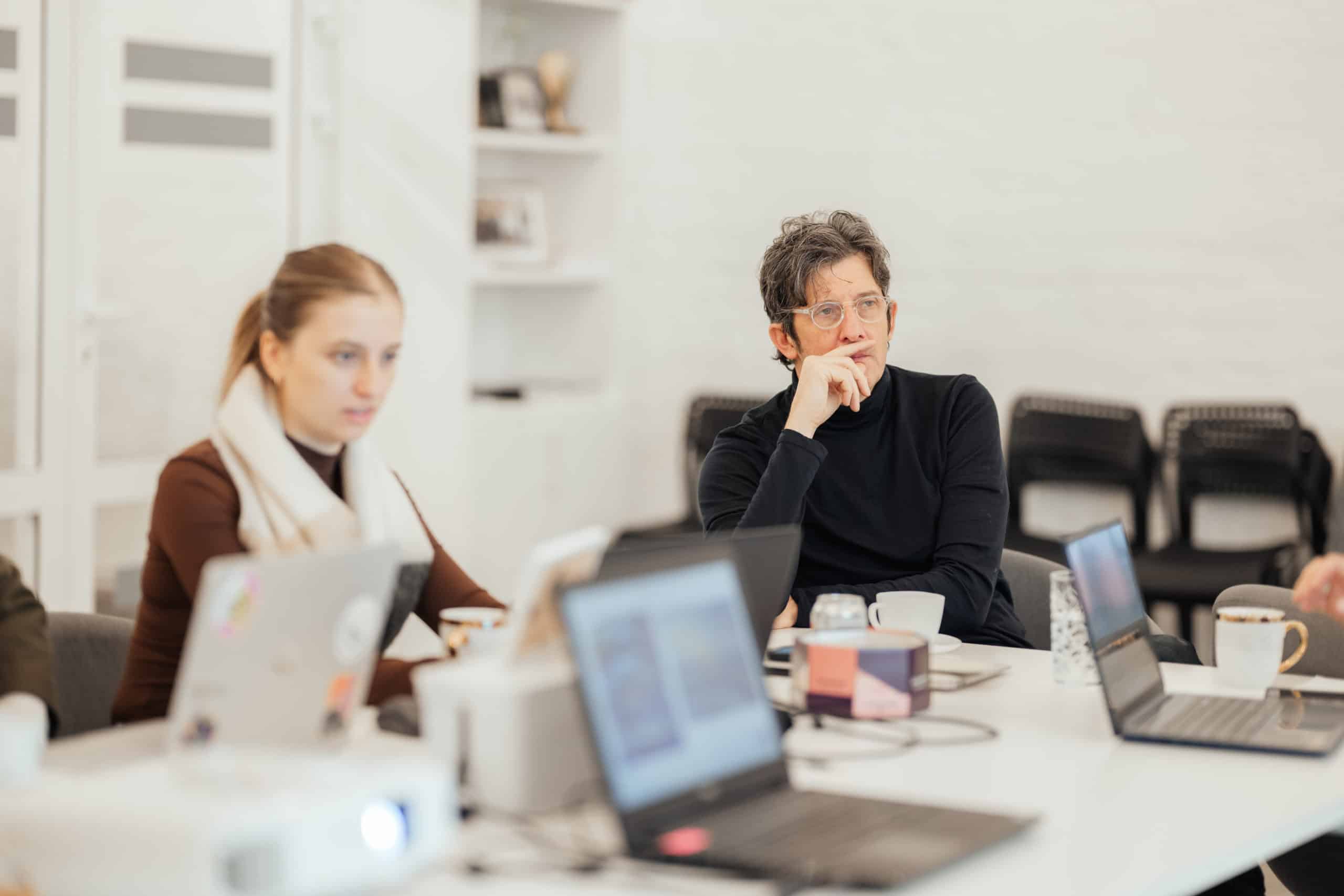
From the moment we arrived, in the Chamber Hall of the Great Amber, I spoke at the Culture Renovationconference. Addressing my European counterparts, I shared a firm conviction: accessibility should not be seen as a constraint, but as a way to expand the cultural experience. Designing a museum, a performance, or a public space for all bodies and all senses means rethinking culture itself.
This message resonated particularly strongly during the performance by artist Liena Smukste, experienced in complete darkness—a rare and unsettling sensory experience, even for me, despite my familiarity with this way of perceiving the world.
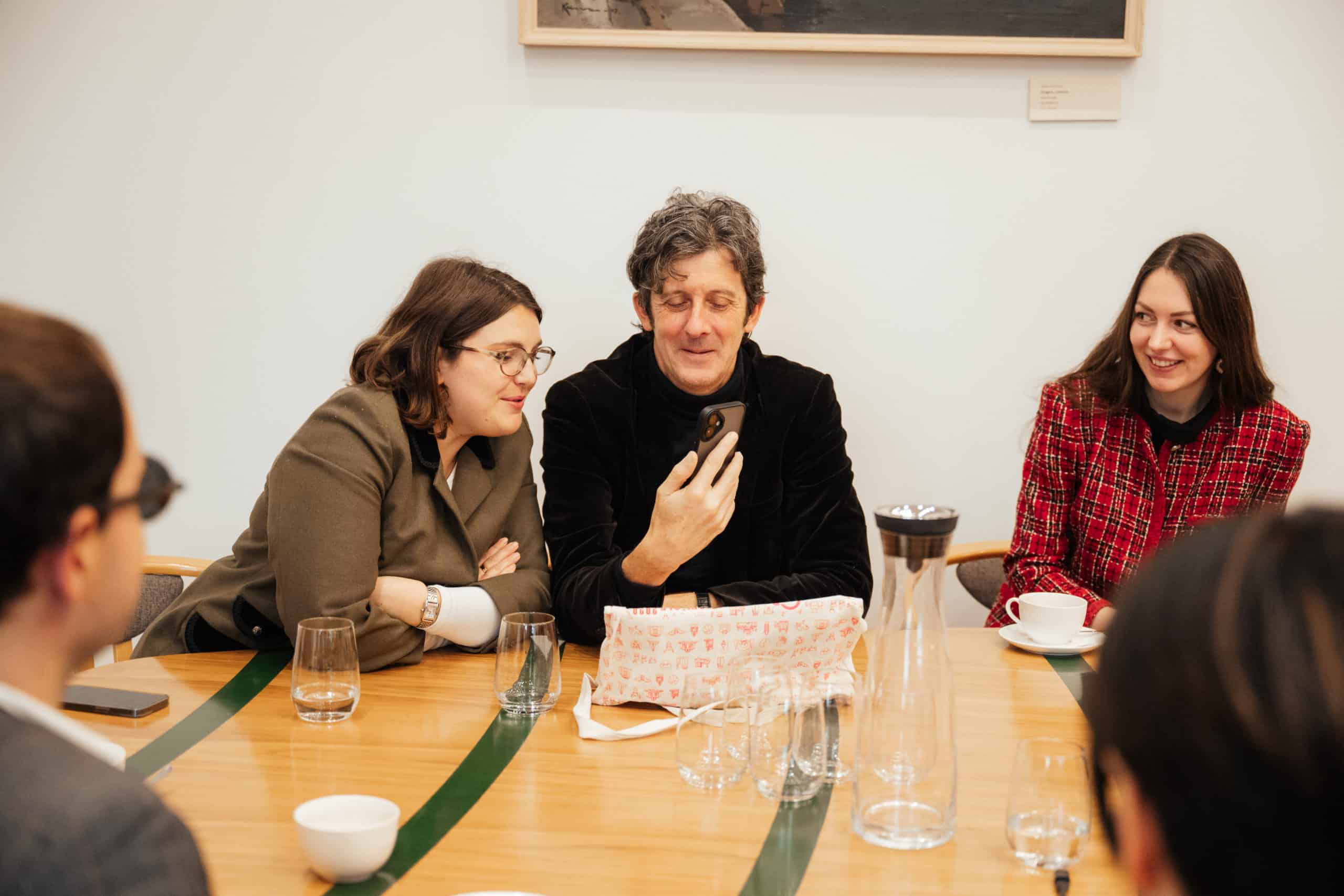
The days that followed were punctuated by working sessions, tea times with local stakeholders, discussions on youth, climate, and inclusion, and emblematic visits such as the Holy Trinity Cathedral or Madame Hoyer’s Guest House. Each moment fed into a single question: how can these themes shared by the European Capitals of Culture inspire our own roadmap?
As for Toadette, she was an undeniable hit—stealing the spotlight during the official reception at City Hall!
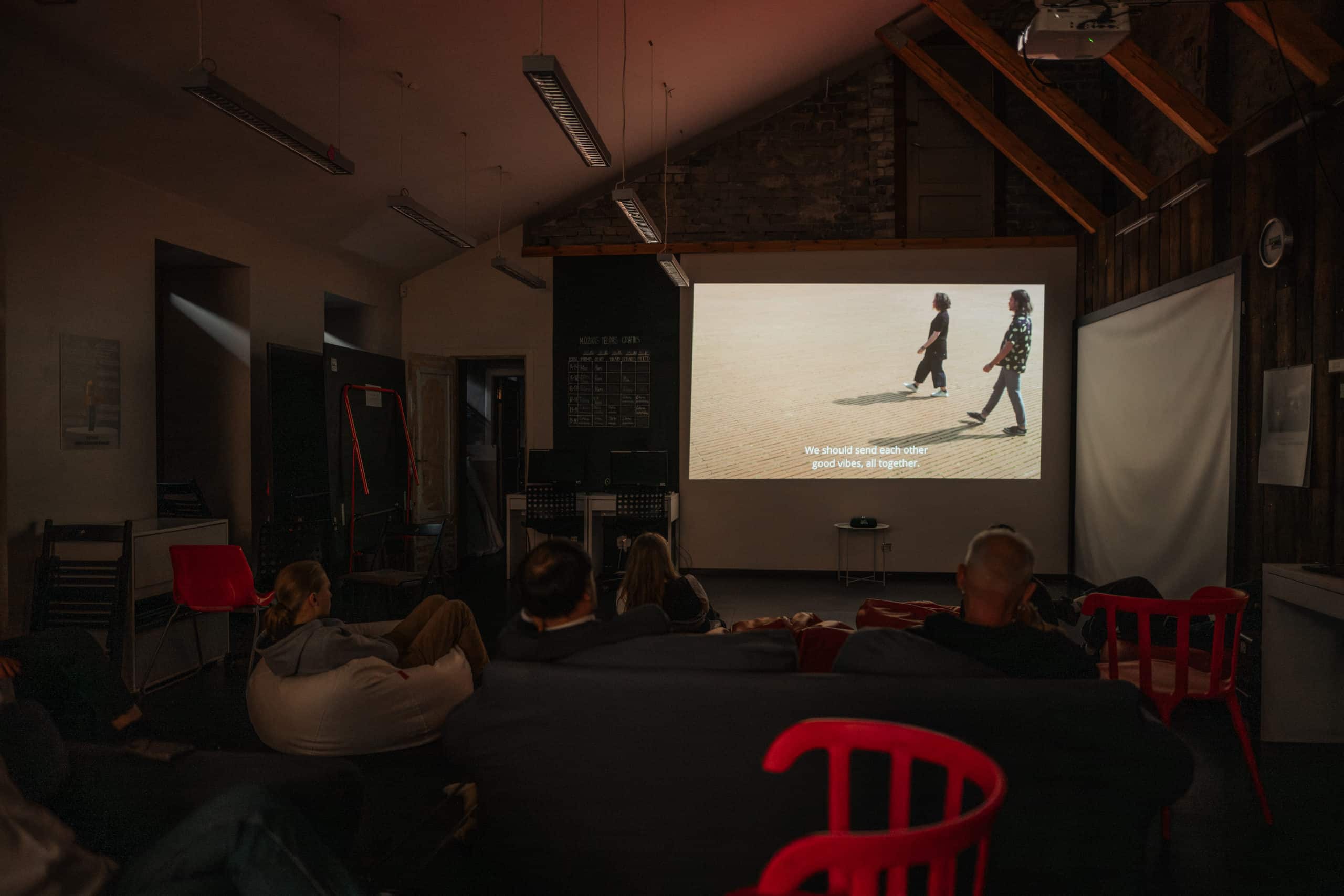
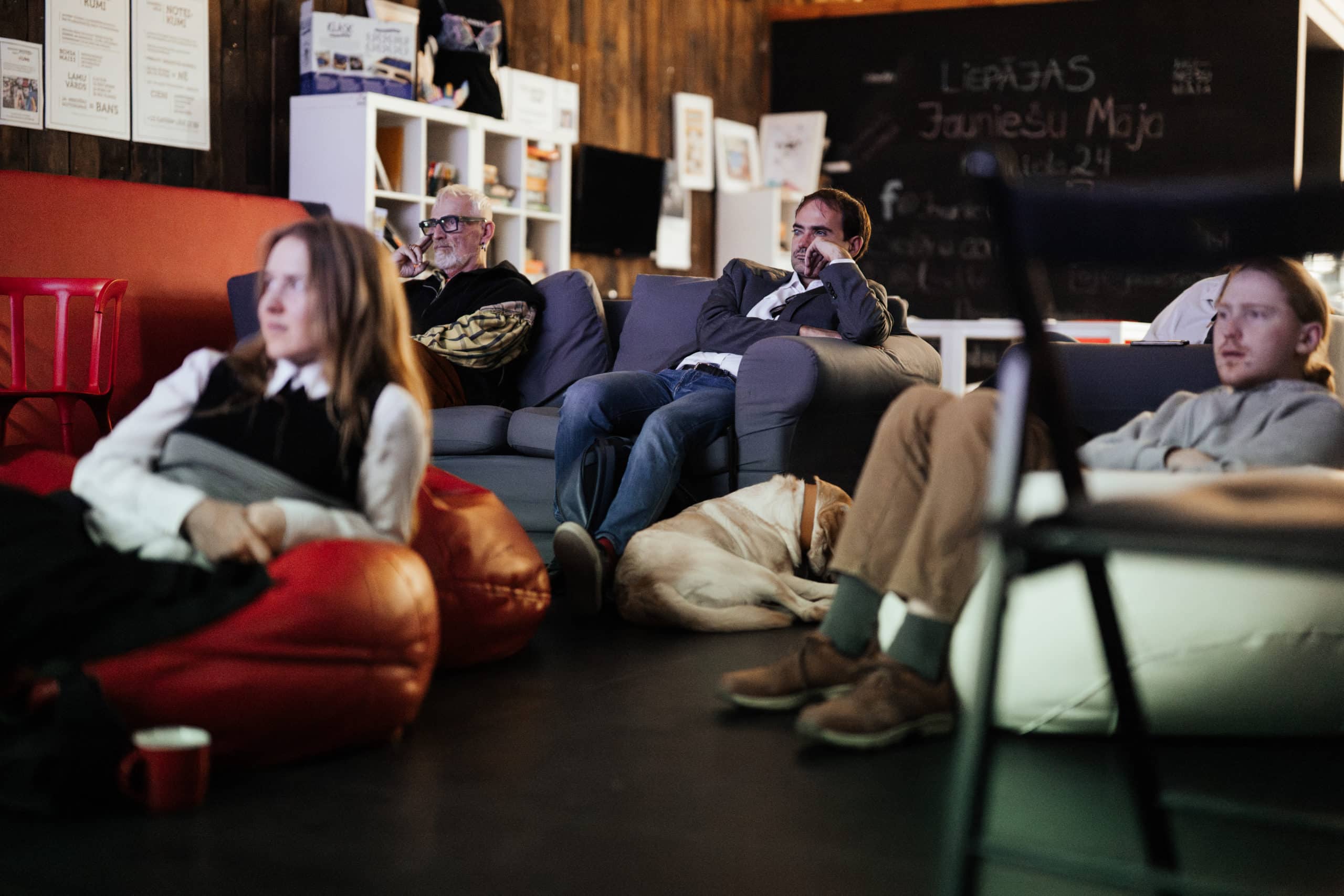
Finally, the screening of a documentary by Christophe Haleb at the Youth Centre came, so to speak, to “close the loop”: young people, artists, citizens in motion… the very same energy that drives Bourges 2028.
These few days under the Baltic winds reinforced a simple idea for me: thinking about accessibility means thinking about culture differently. And perhaps this is the most beautiful message carried by the European Capitals of Culture: a Europe built through the diversity of our ways of perceiving the world.


 S'inscrire à la newsletter
 Download Bidbook