February 2026 – Pascal Keiser, General Commissionner
Brussels-Berlin-Prague
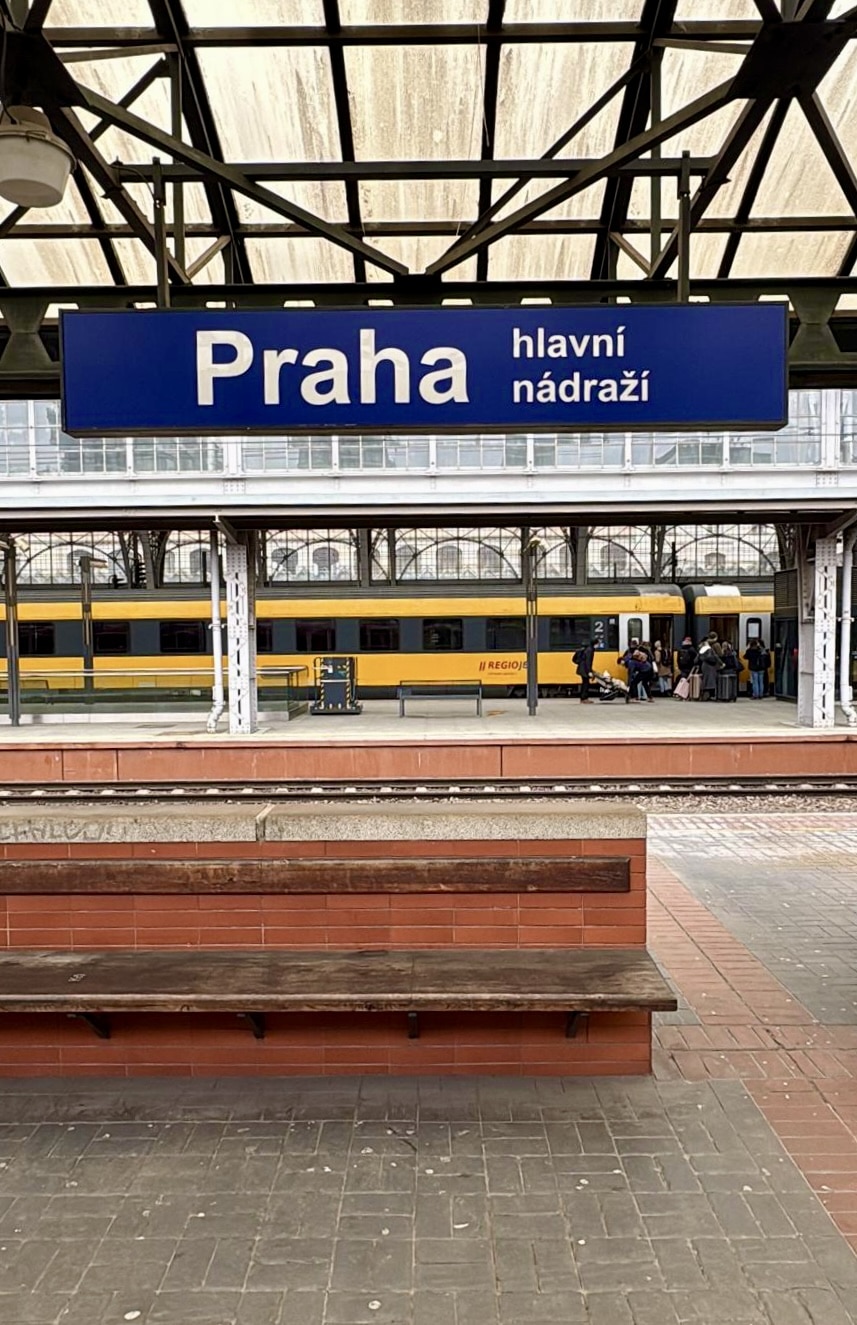
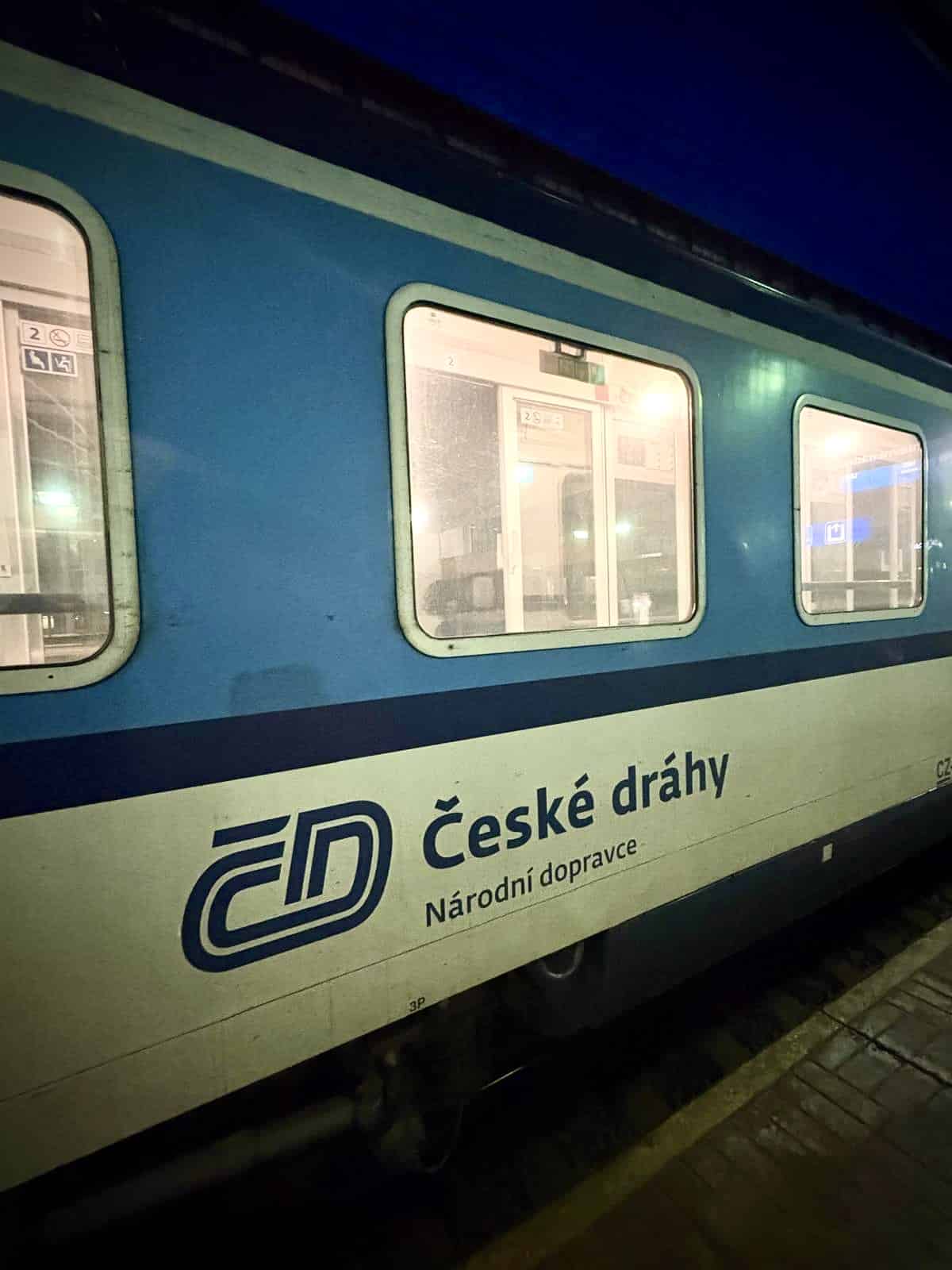
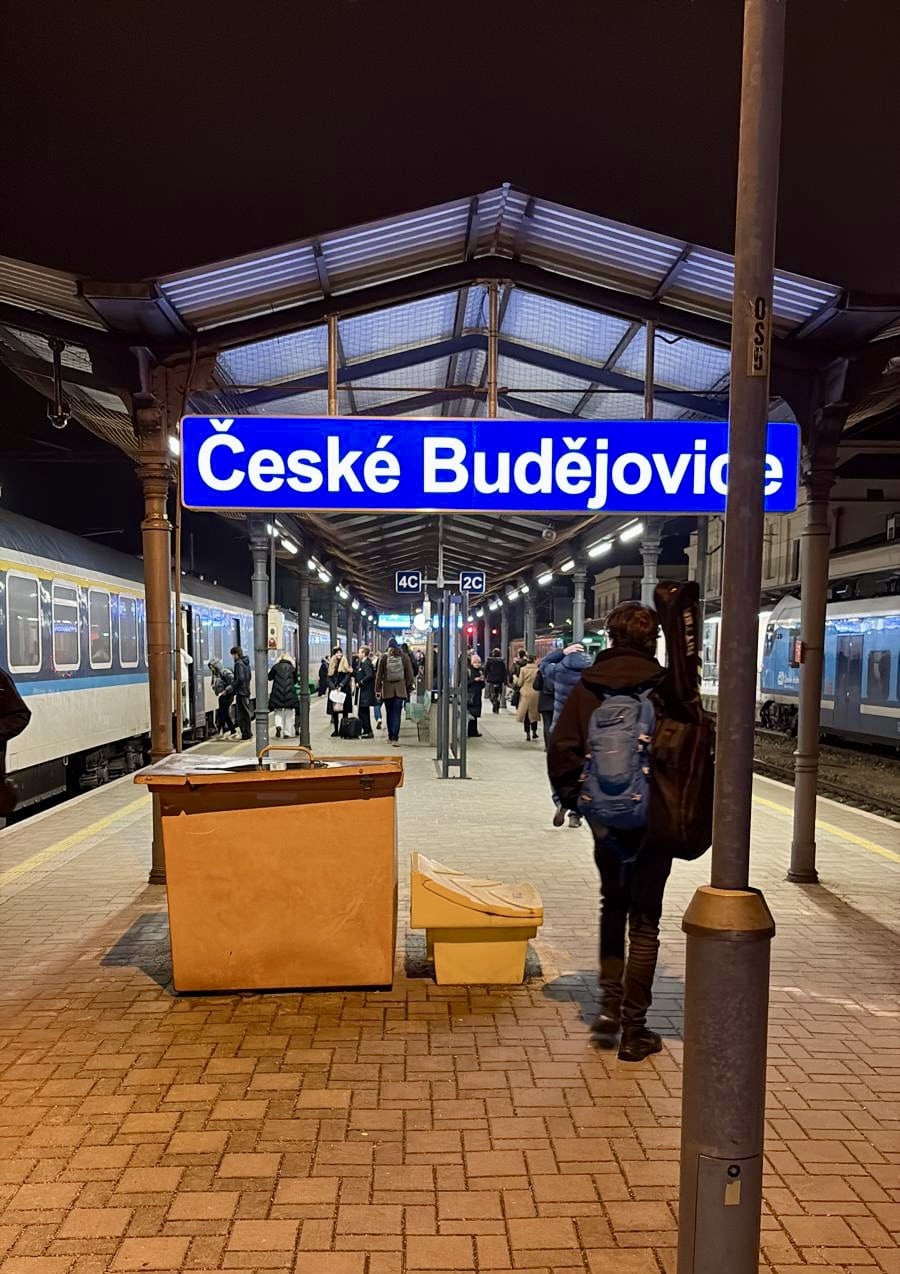
For this mission to Budweis 2028, I travelled by train from Brussels, taking the Brussels-Prague line: departure at 7:22 pm from Bruxelles-Midi and arrival in Prague at 10:50 am the following day, via Amsterdam and Berlin.
A way of experiencing Bourges 2028’s low-carbon travel approach firsthand.
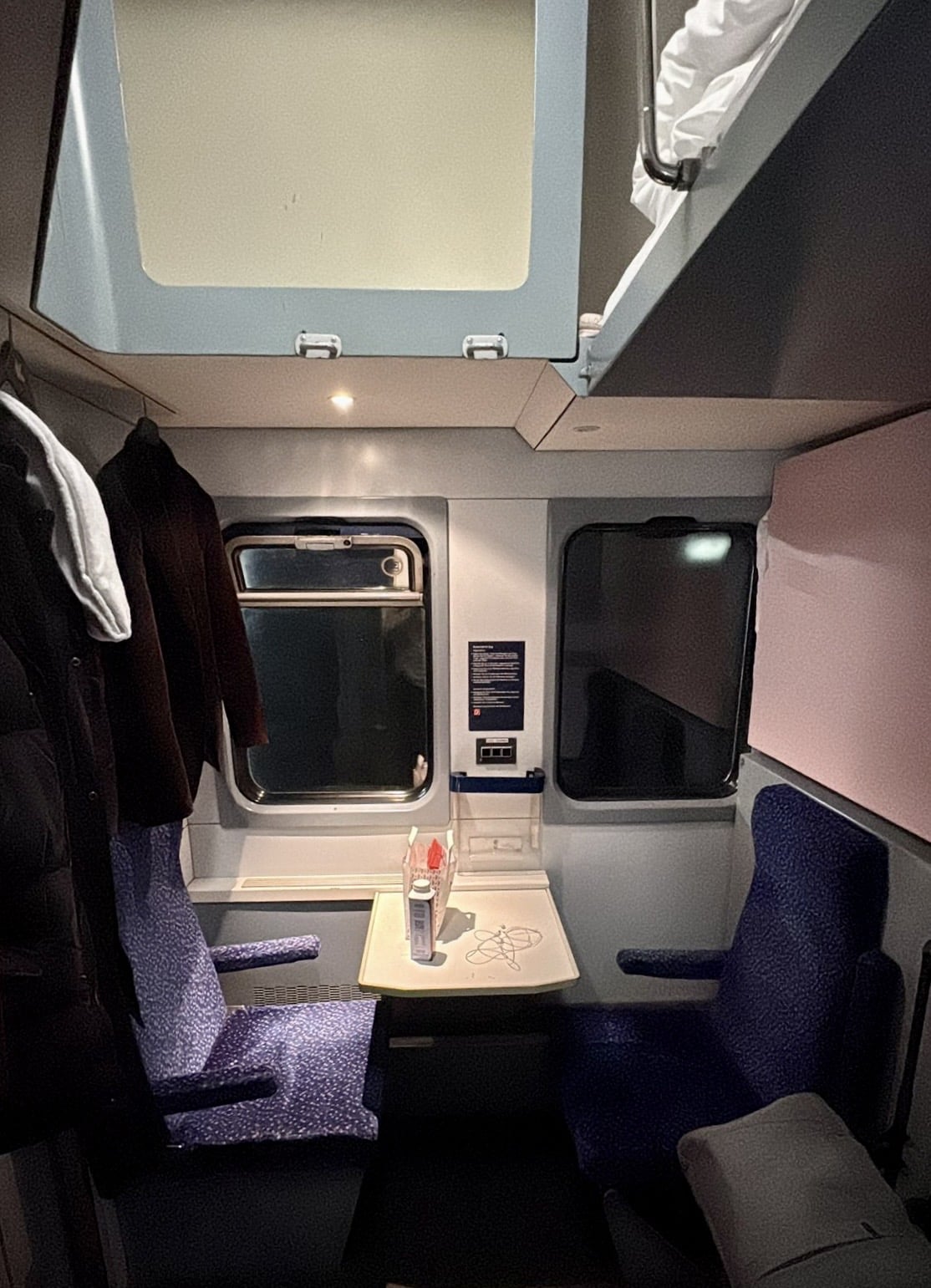
Travelling by sleeper train introduces a different sense of time, and a new relationship with fellow passengers and the landscape.
This Brussels-Prague route passes through key cities linking Western Europe and Mitteleuropa. It is truly a journey-not just a flight from one place to another-and makes it possible to hold meetings in intermediate cities, as you arrive directly in their centres.
Prague
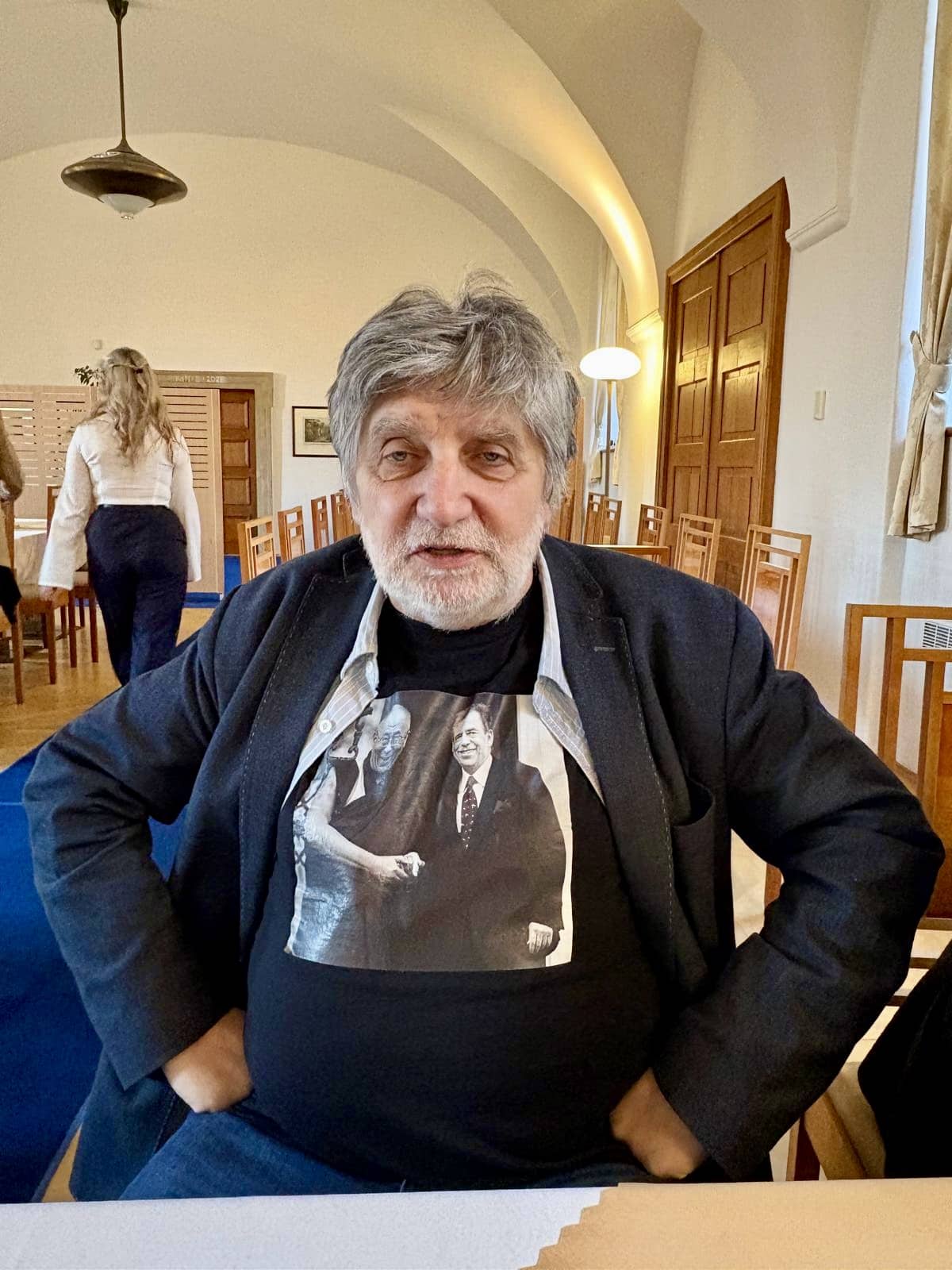
Upon arriving in Prague, I took part in a series of meetings-with the French Institute, the head of the Prague dance platform, and, through a mutual friend, a meeting at the Senate with a key figure of the 1989 Velvet Revolution: theatre artist and director Břetislav Rychlík, now a senator, and a close associate of Václav Havel and Josef Koudelka.
And yet, Prague and the Czech Republic mean something more personal to me: this is where my European commitments first took shape, in early January 1990, just a few weeks after the Velvet Revolution.
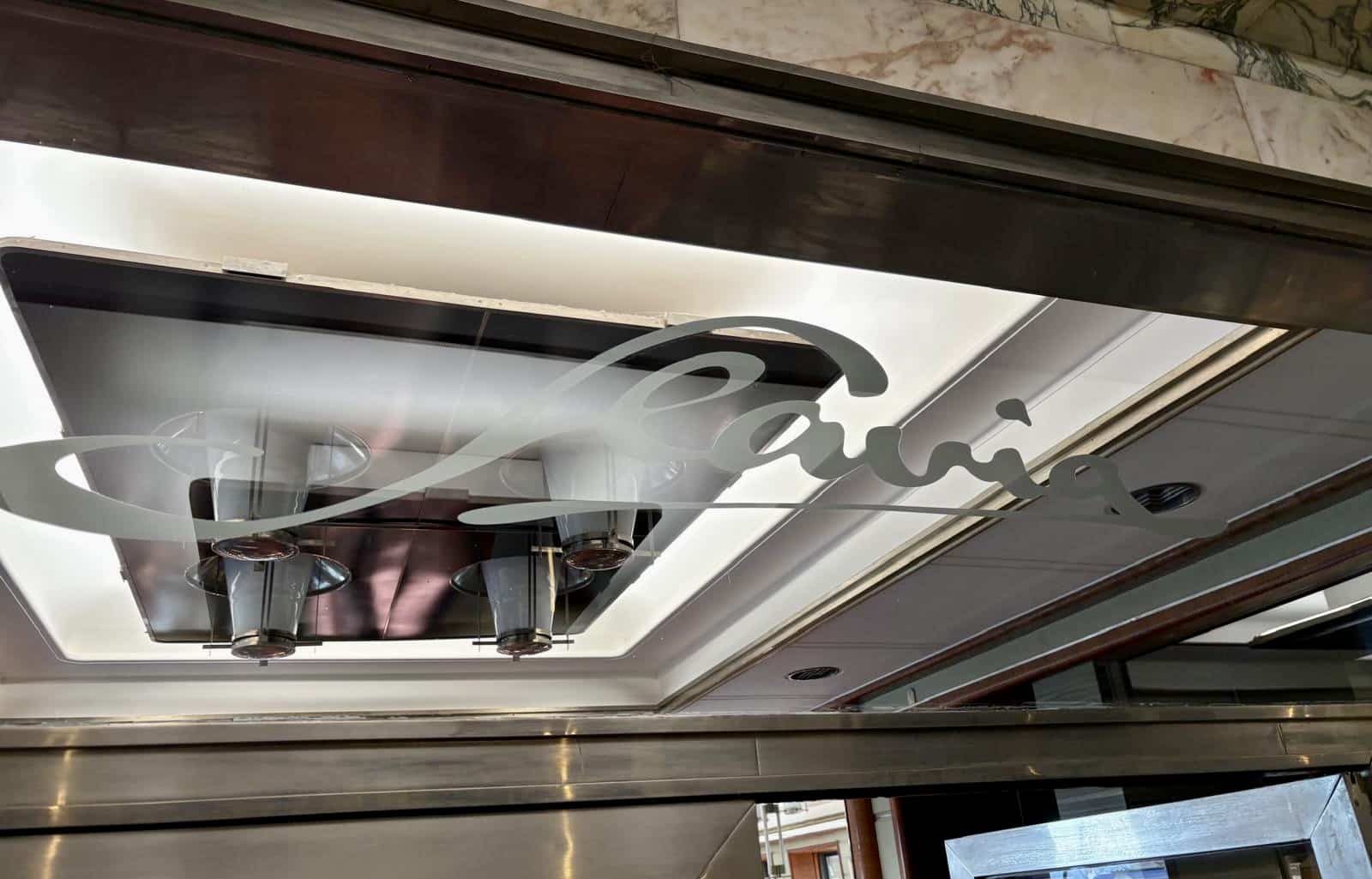
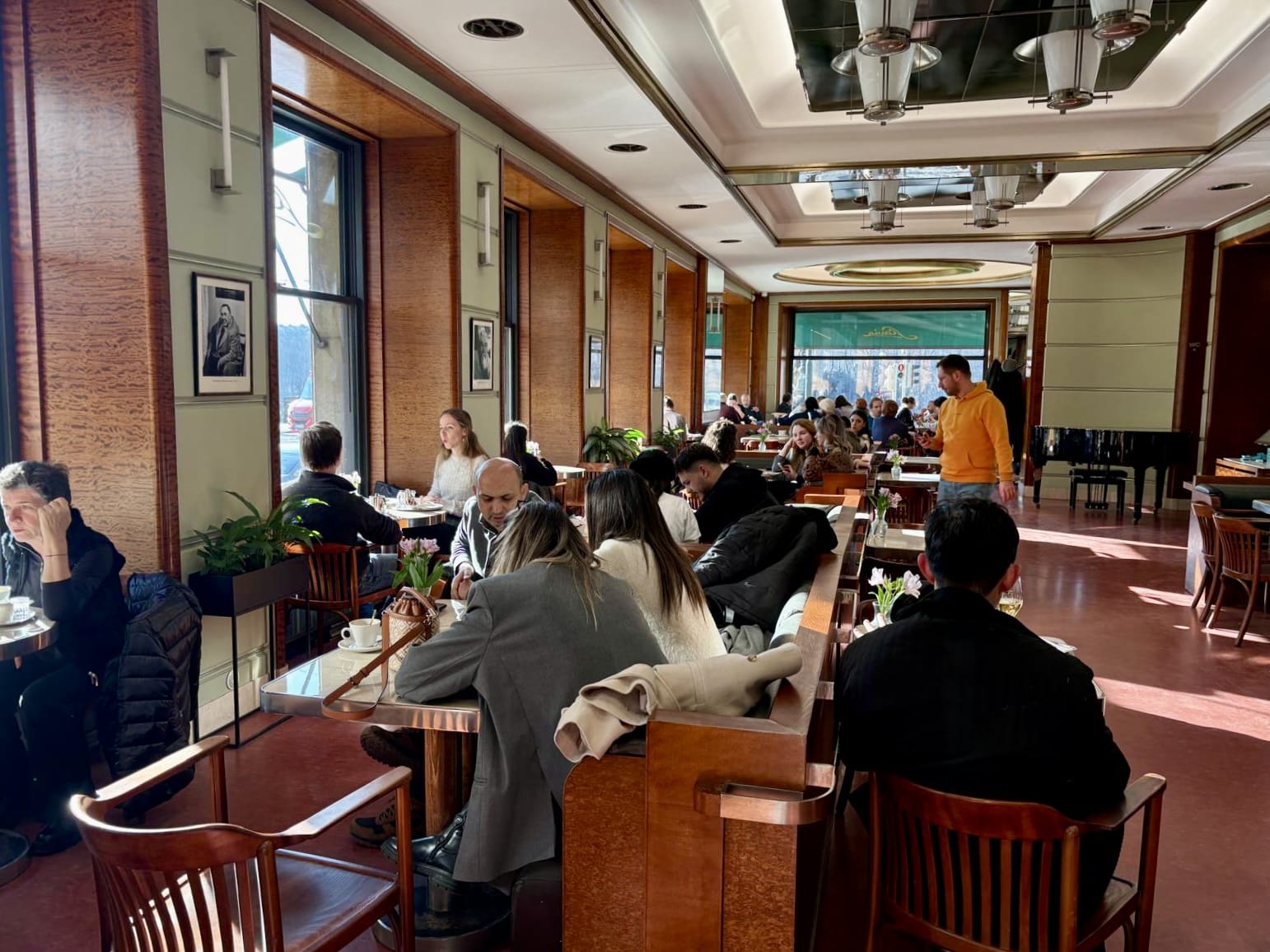
Then, during my trip, as I walk up the steps just in front of the National Theatre on this Tuesday in February 2026, heading into Slavia-the café where the youth, artists and intellectuals of the Velvet Revolution once gathered-I find myself thinking back to those moments.
I see a different generation now: free, independent, sometimes carefree. We must not forget the history, the courage, and the European values that made possible what today may seem natural and self-evident.
České Budějovice
České Budějovice lies just 1.5 hours from Prague, in the rural region of South Bohemia, close to the Austrian border. Its history has been shaped by the meeting of different communities-German (hence its other name, Budweis), Austrian, Jewish, among others.
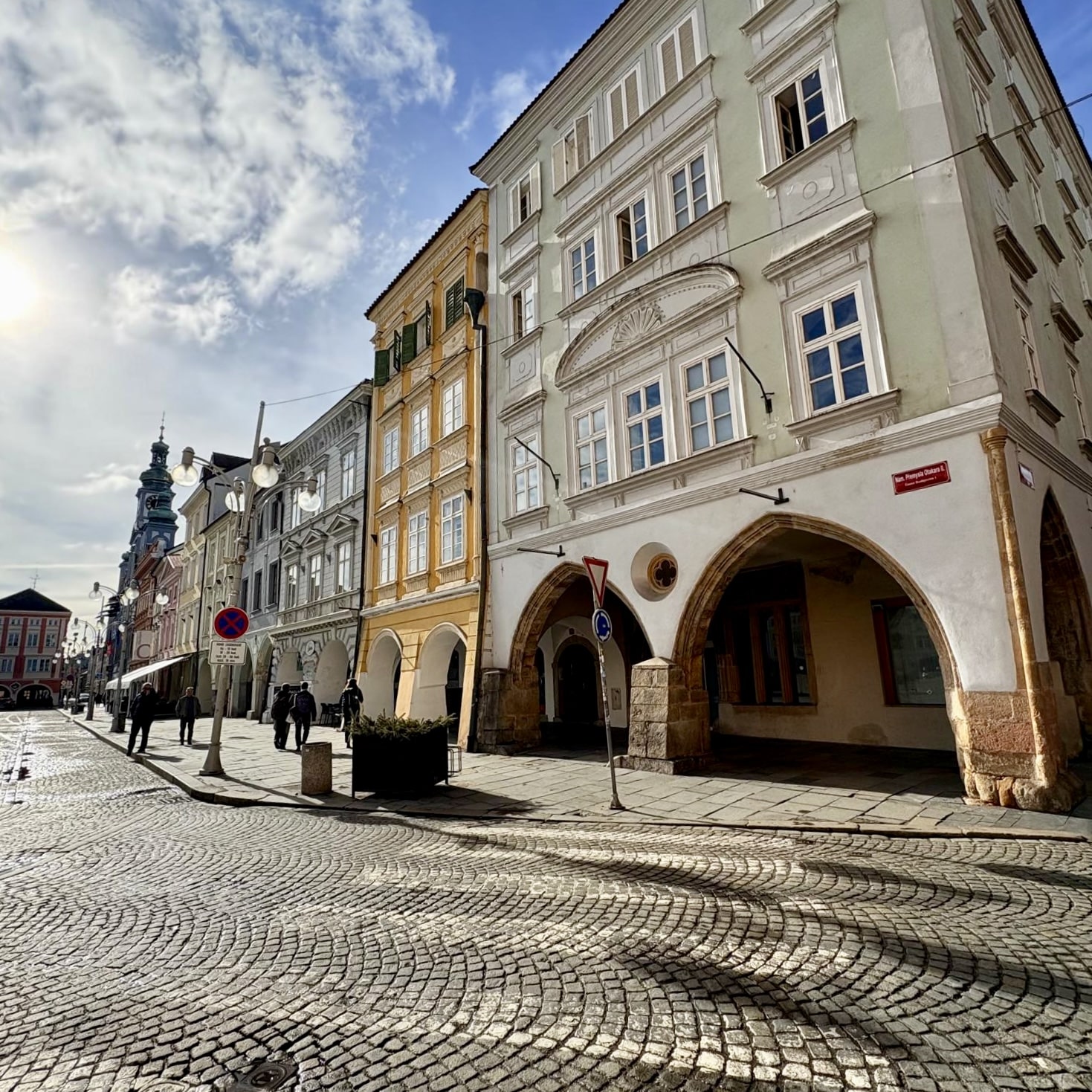
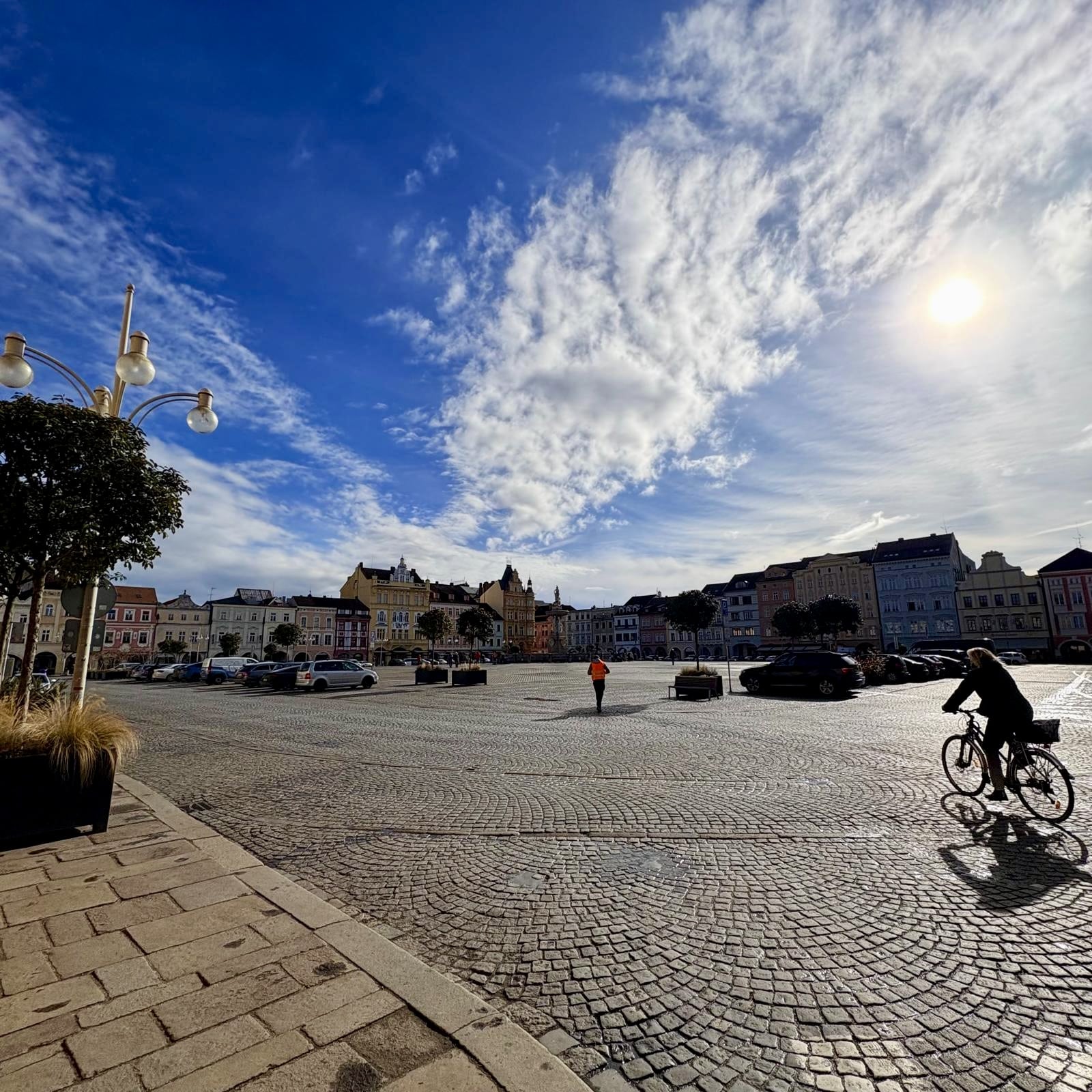
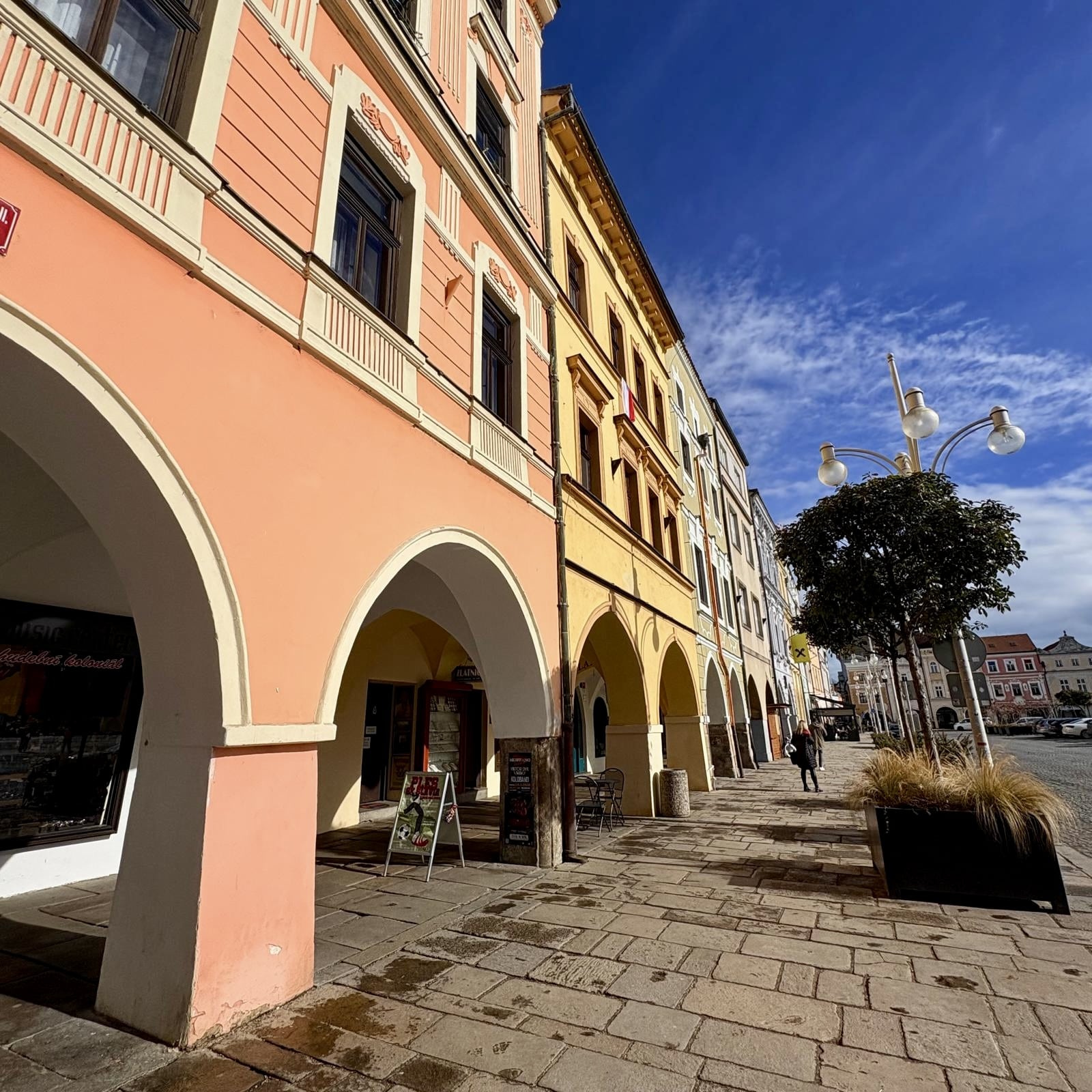
The city is also internationally known for its beer-Budweiser. Here, the historic city centre is particularly beautiful: a large central square lined with pastel-coloured façades, and something of Italy in the arcaded streets that surround it.
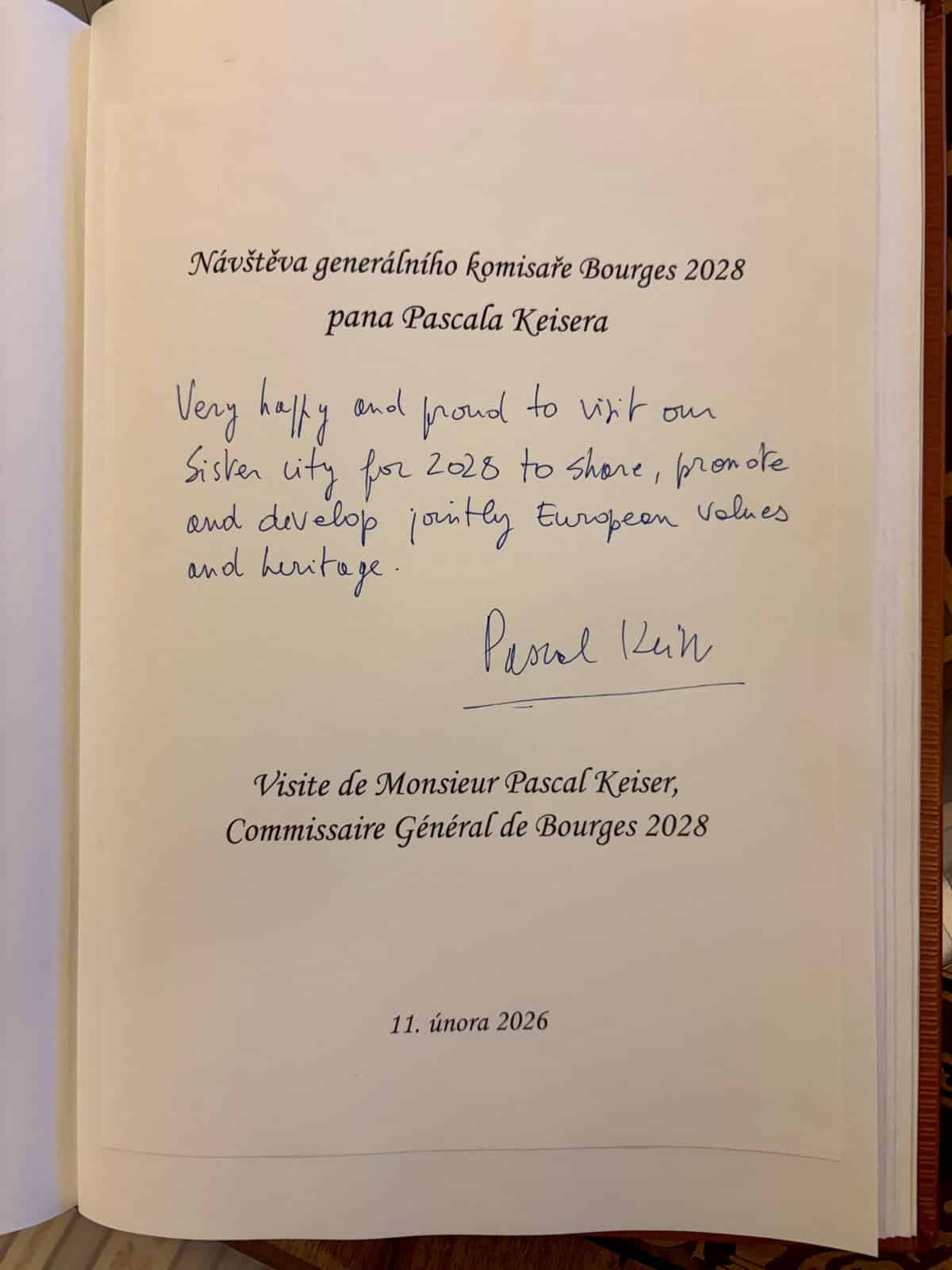
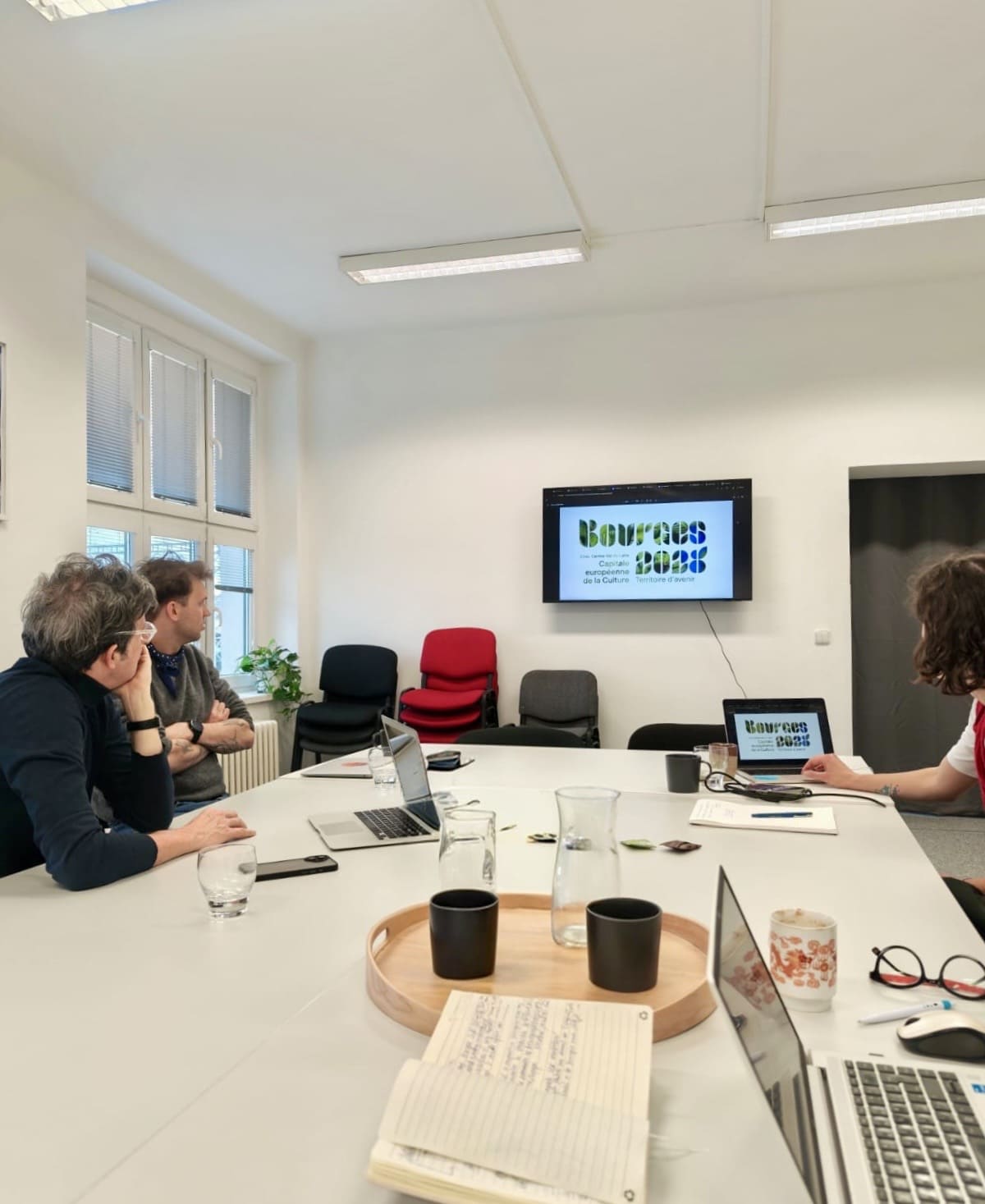
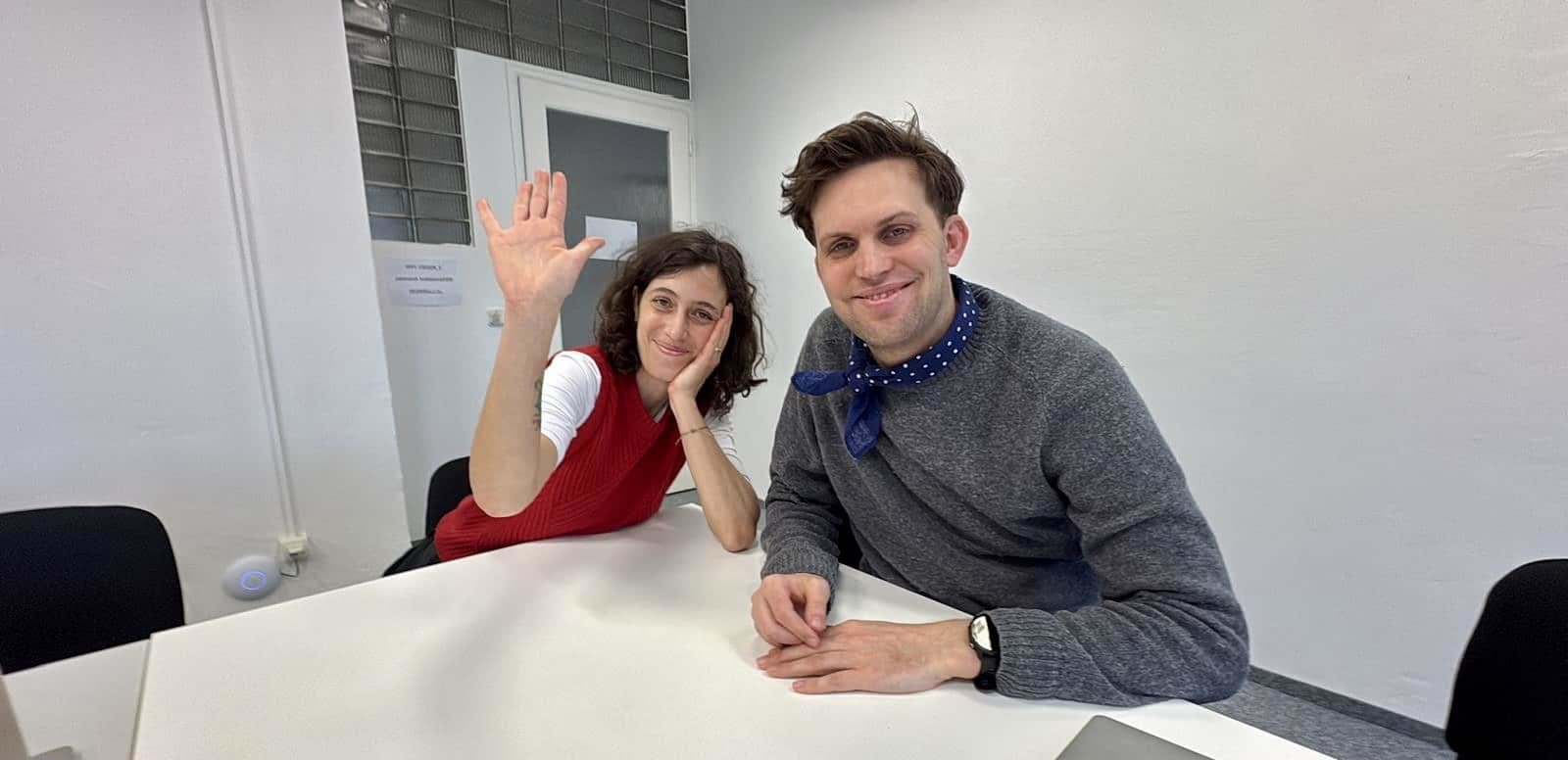
In Budweis, I came for a first major working meeting on our shared projects, as we will both be European Capitals of Culture in 2028, alongside Skopje (North Macedonia).
A city at the confluence of two rivers, rich in water and green spaces, Budweis 2028 has developed a participatory programme around the theme of PermaCulture, rooted in the rural landscape that surrounds the city. There is therefore much for us to exchange and build together with Bourges 2028.
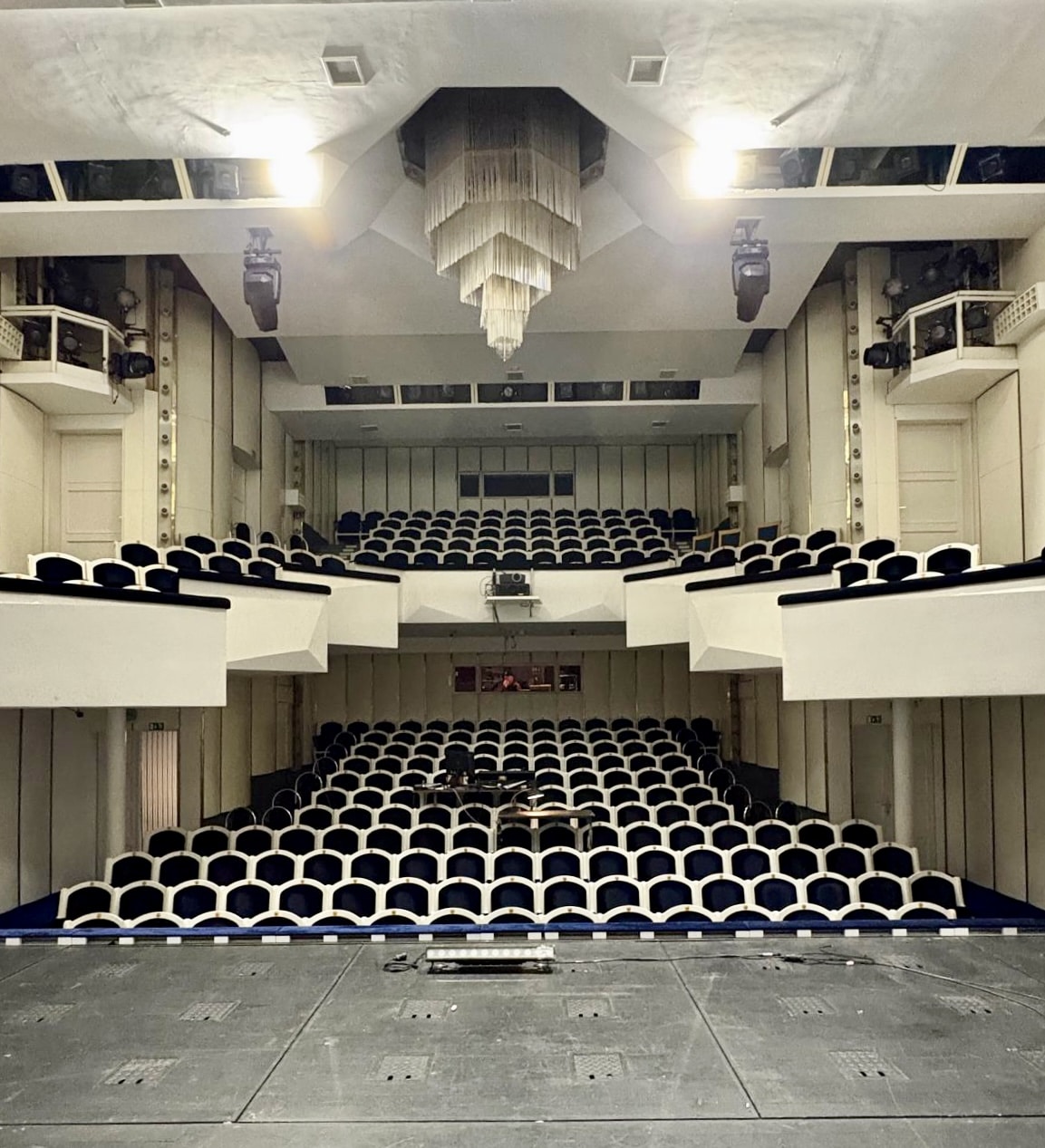
Here, cultural infrastructure is not an easy matter for our colleagues. The South Bohemian Theatre-a major producing house for theatre, opera and dance, structured along German lines and employing a large team-lacks adequate spaces for work, rehearsal and performance.
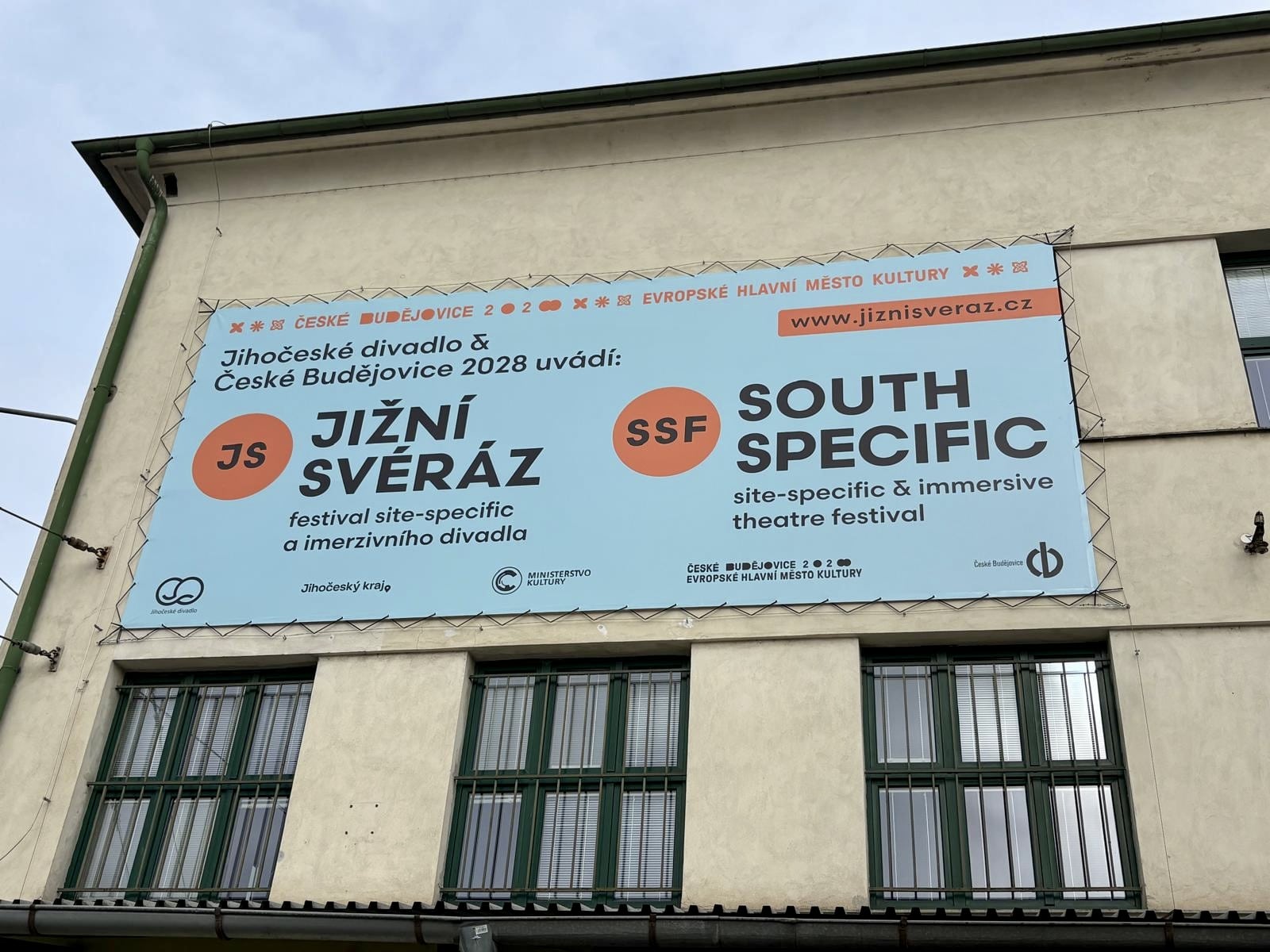
And yet, it runs a major summer festival, South Specific, which spans four months and extends across the entire region and its rural areas. Truly inspiring.
There is also no museum or contemporary art centre. The challenge of the project is therefore significant: to bring contemporary culture and Europe to places where they are not yet present.
In this, we have much in common.
Three intense days of work that bring us closer together, ending with a discussion about May ’68 in Budweis-where the last regional radio station was able to broadcast across the whole of Czechoslovakia before Russian tanks arrived later than elsewhere, as local residents had tampered with road signs to delay them.
The Czech people, and those of Bohemia in particular, have a strong sense of humour-but above all, courage and a lived experience of history from which some Western politicians could well take inspiration.
 S'inscrire à la newsletter
 Download Bidbook