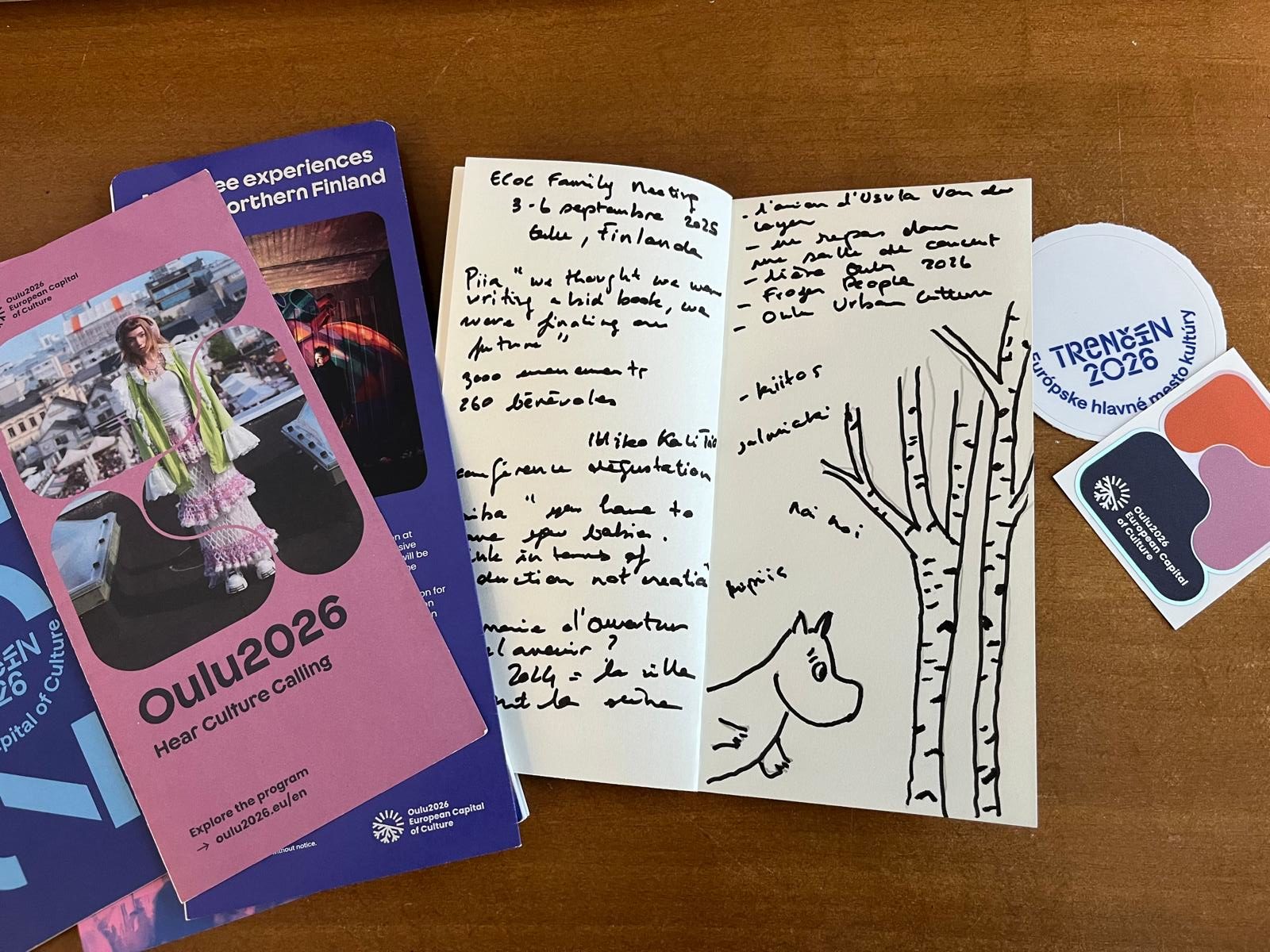
On the plane taking me to Oulu, a slightly offbeat thought crossed my mind: what if my flight met the same fate as that of Ursula von der Leyen, President of the European Commission? Since 29 August, she has been touring countries bordering Russia, including Finland. During her visit to Romania, her aircraft was prevented from landing for several minutes due to deliberate GPS signal jamming.
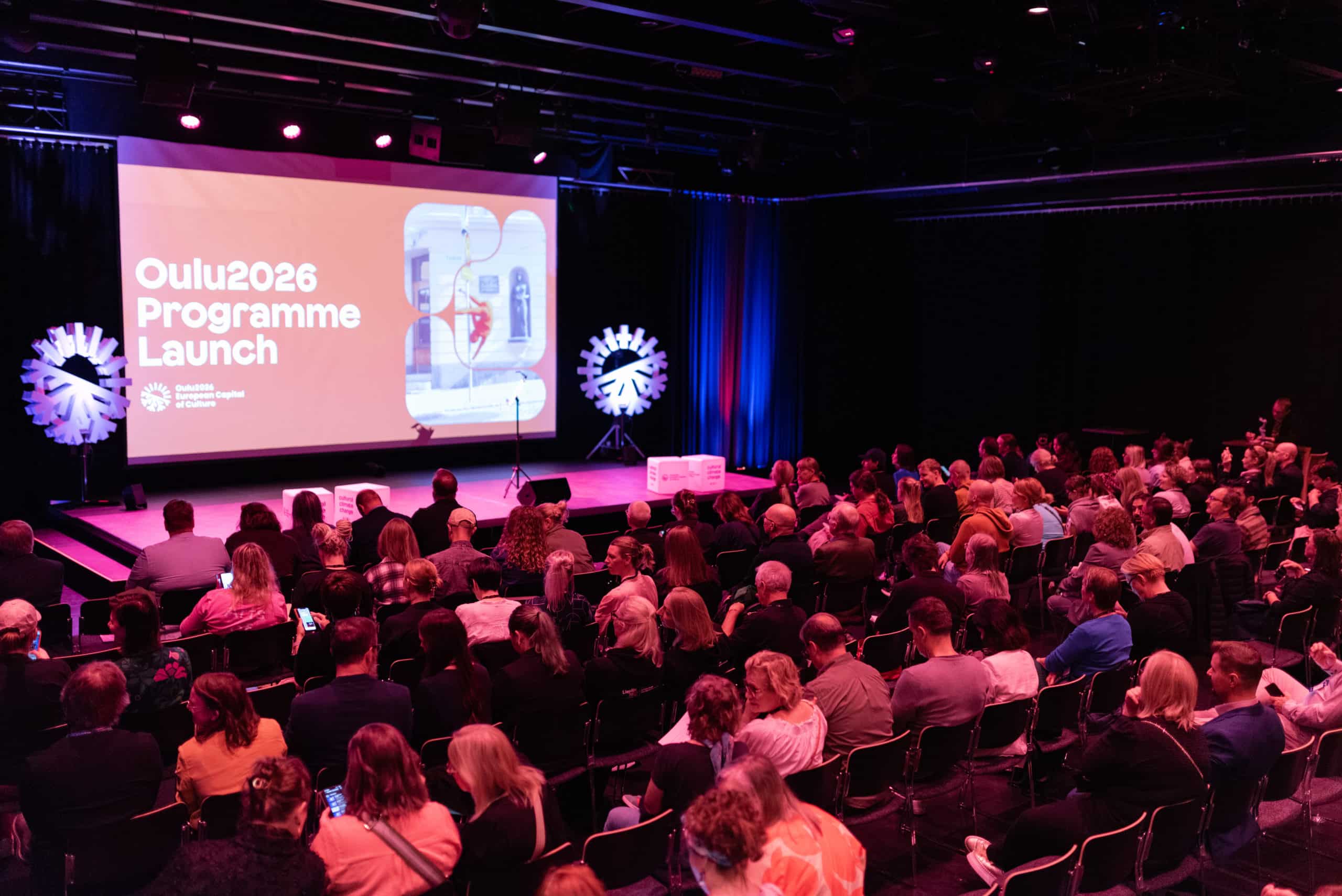
This idea, anecdotal at first glance, nevertheless echoes the issues of our time. Oulu is preparing to welcome millions of visitors as part of its title as European Capital of Culture -an event of unprecedented scale, designed to celebrate Europe’s cultural richness and diversity. Yet on the continent’s doorstep, this diversity and richness have been weakened since Russia’s invasion of Ukraine. Neighboring countries naturally fear they could be next.
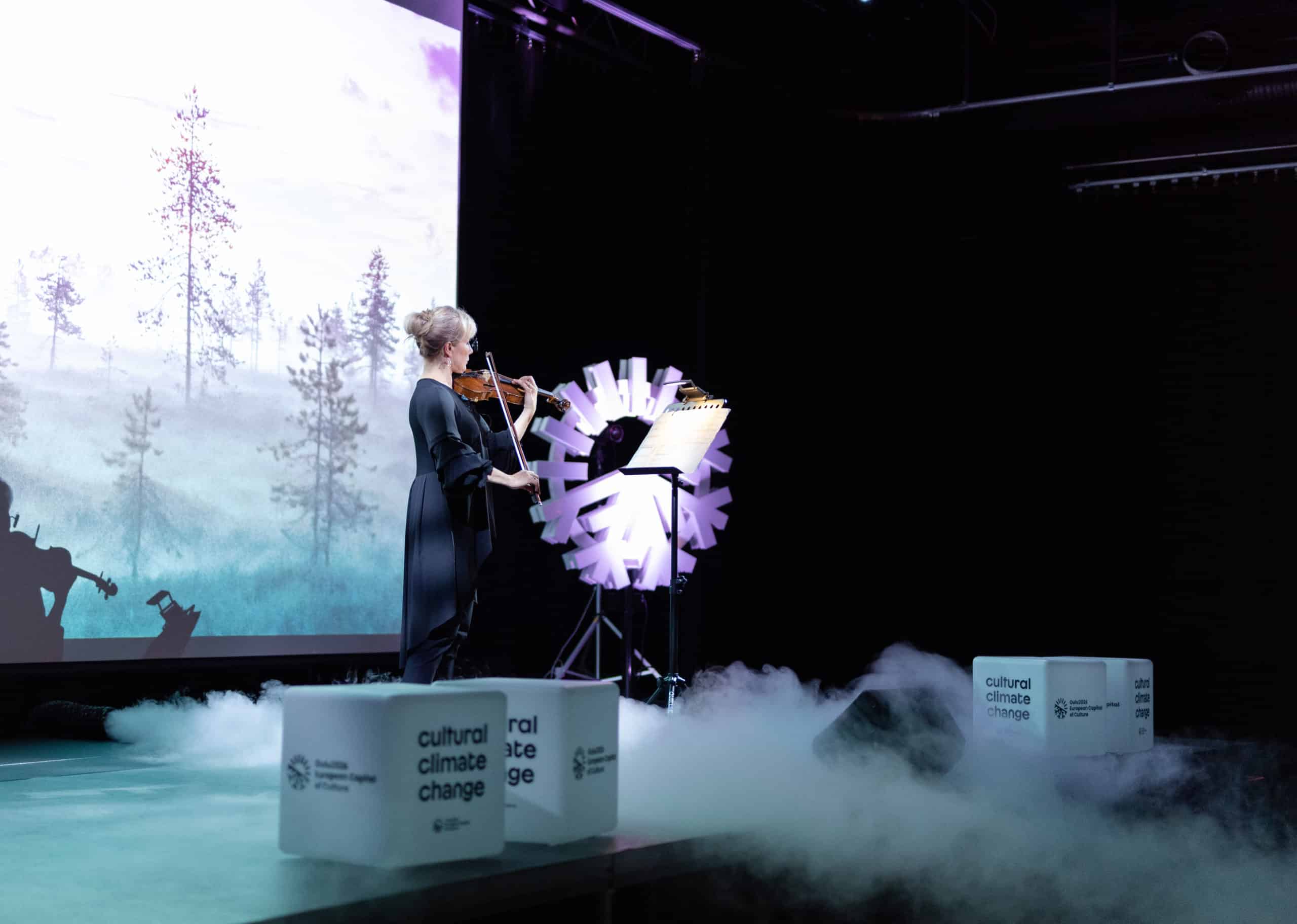
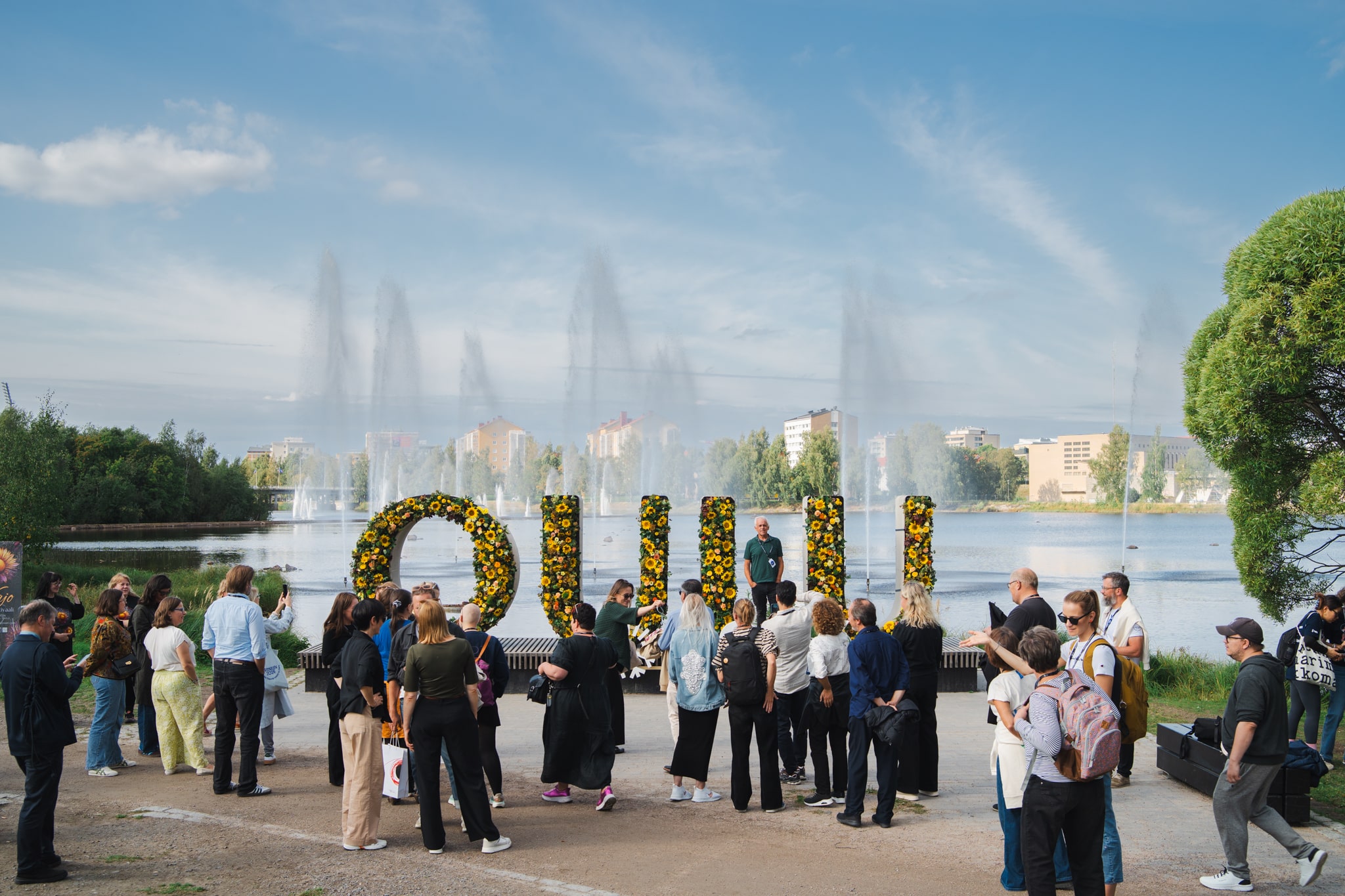
It is within this atmosphere -both creative and heavy with threats- that the European Capitals of Culture 2026 are preparing. And yet, Oulu is looking firmly to the future: in just four months, it will launch its title year. From the moment I left the airport, I could feel that energy -posters, branded buses, a warm welcome from enthusiastic volunteers. The entire city already seemed to be celebrating, ready to take its residents and visitors along on the adventure.
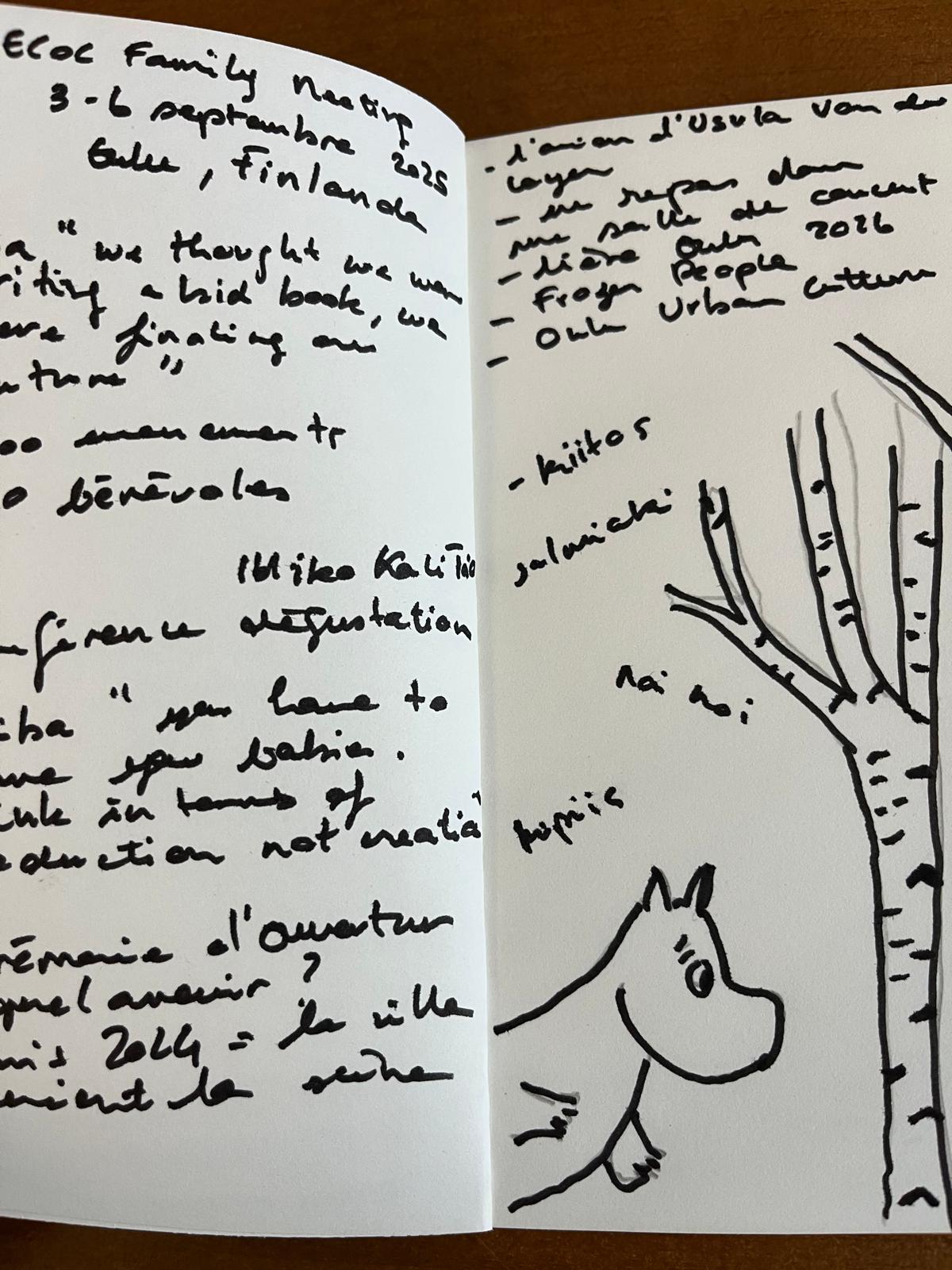
What struck me most in Oulu was the vitality of its urban cultural scene. The association Oulu Urban Culture, founded by young enthusiasts, truly impressed me with its creativity and sense of freedom: electronic music nights in the forest, queer open mics, a festival on the frozen sea called Frozen People… I felt there an energy similar to what we experience at l’Antre Peaux -a blend of experimentation and conviviality.
The welcome dinner took place in their venue, a concert hall reinvented by and for young people: a local buffet, organic beer branded with Oulu 2026, and lively presentations. The atmosphere was simple yet deeply inspiring. You could clearly see how this generation had embraced its European Capital of Culture as a laboratory for imagining new ways of living together.
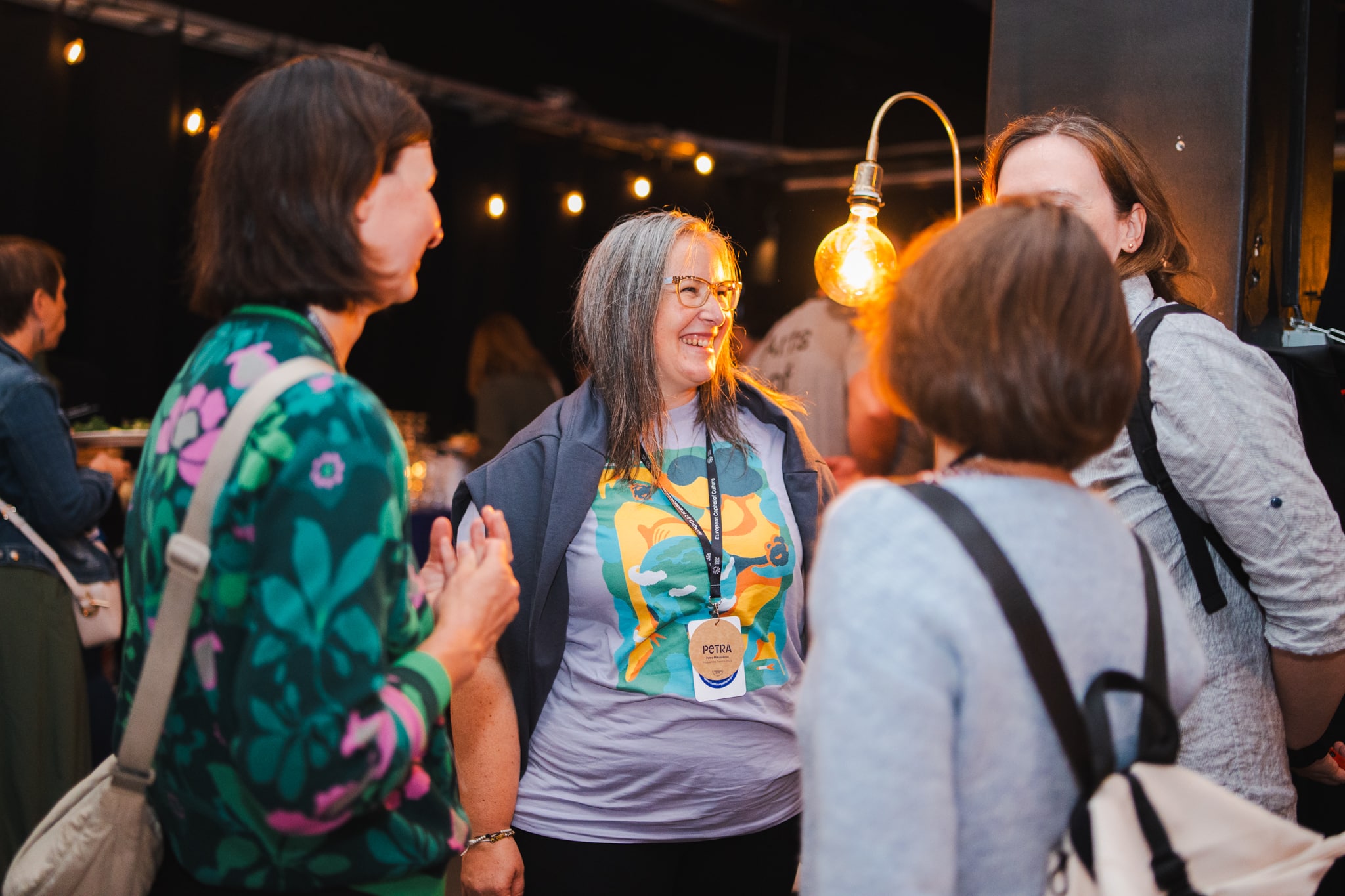
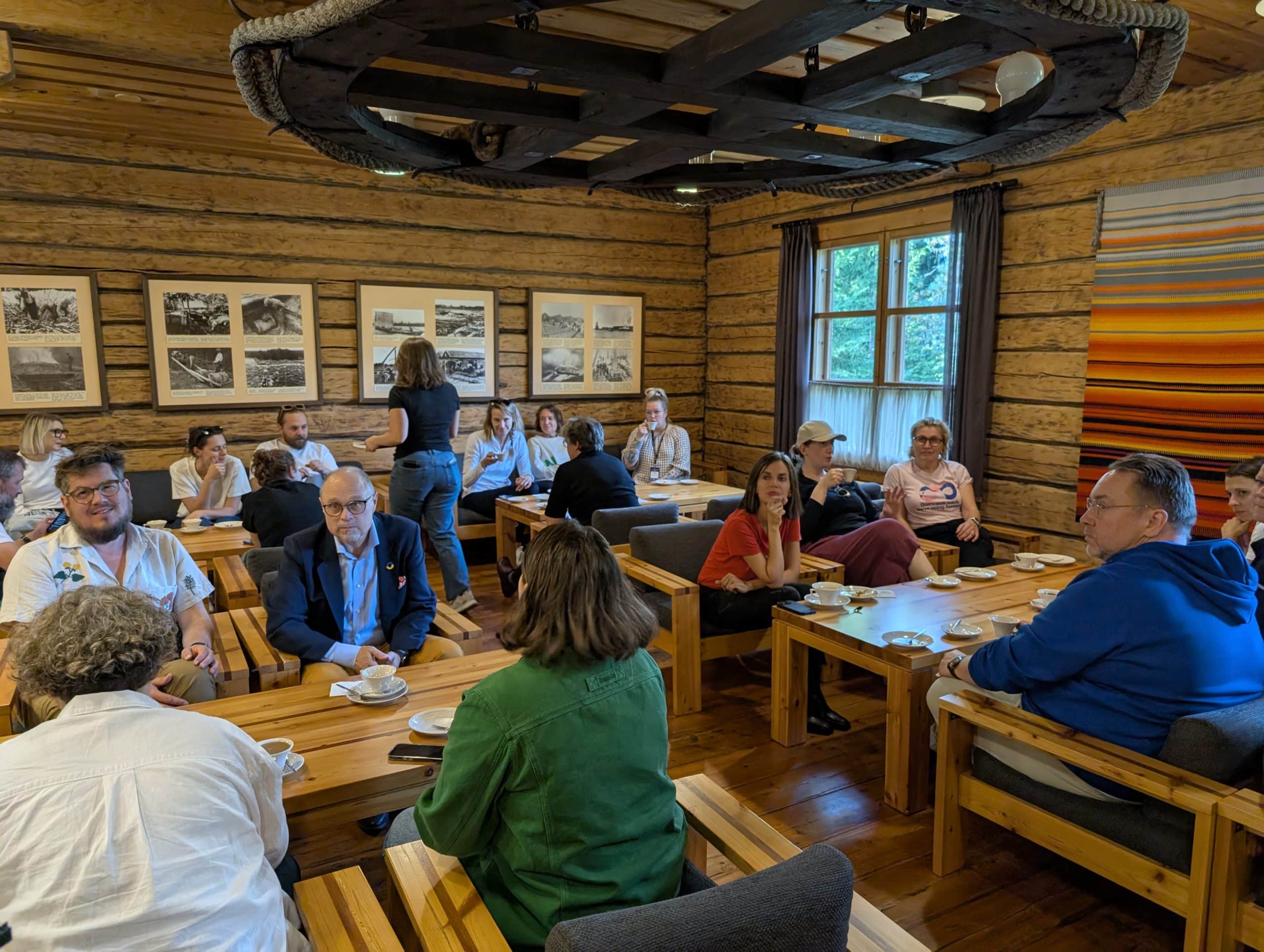
Finally, these days were an opportunity for rich exchanges with our counterparts from other European Capitals of Culture. I was particularly struck by a conversation with Baiba from Liepāja 2027, who shared a piece of advice she had received: “we must stop thinking in terms of creation and start thinking in terms of production.” In other words, an ECoC cannot produce everything itself; it must rely on local strengths and give cultural operators the means to carry projects forward. This observation, echoed by Oulu, resonates strongly with our own challenges.
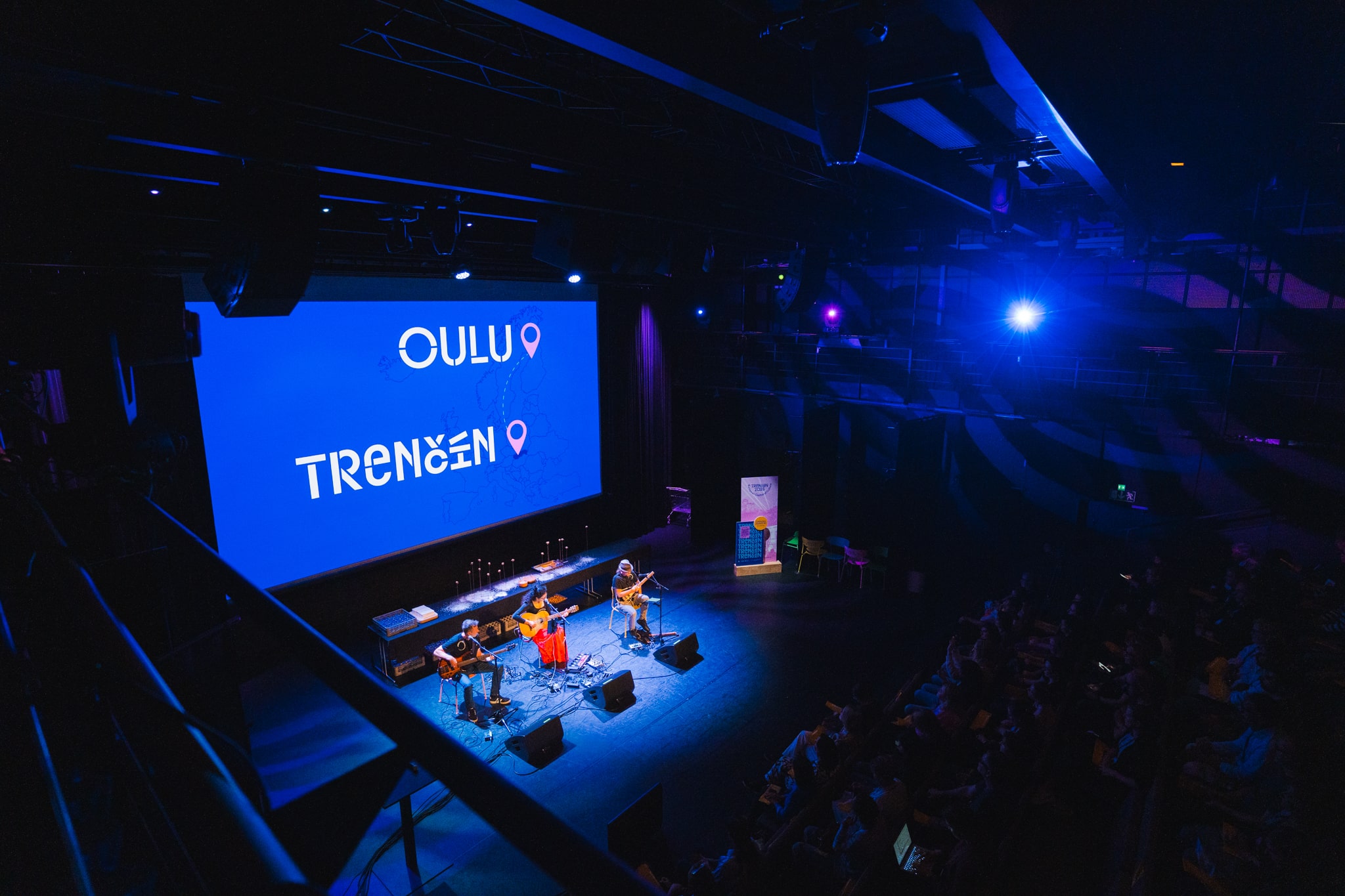
In the discussions—whether about peace imagined through an immersive installation such as Layers in the Peace Machine, or the urban transformations envisioned by Trenčín 2026—one idea kept coming back: Europe’s cultural project is built through sharing, through the ability to create networks and to invent bridges between residents, artists, cities, and even countries. I returned home with a strengthened conviction: Bourges 2028 will have much to learn, but also much to contribute.
And then there were the unexpected moments, almost initiatory ones. Like that sauna in the middle of the forest. The burning steam on the skin, followed by the cold air lashing your face… The silence of the woods, the gentle lapping of the lake in the distance, and the sense of communion among members of the ECoC family.
It was then that I understood that here, culture, nature, and well-being are inseparable. In this alternation between heat and cold, between inward reflection and openness, I thought I might just have encountered the true spirit of Oulu.


 S'inscrire à la newsletter
 Download Bidbook